Untitled
Unknown
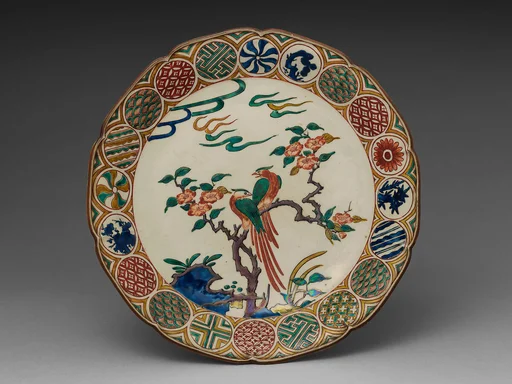
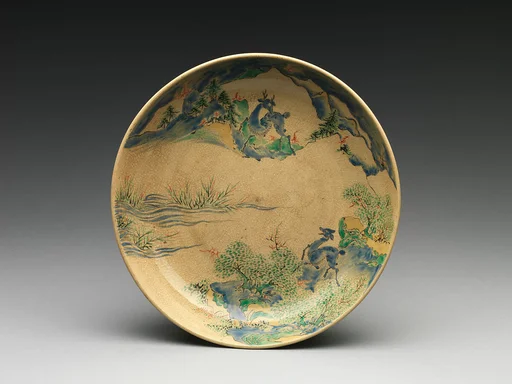
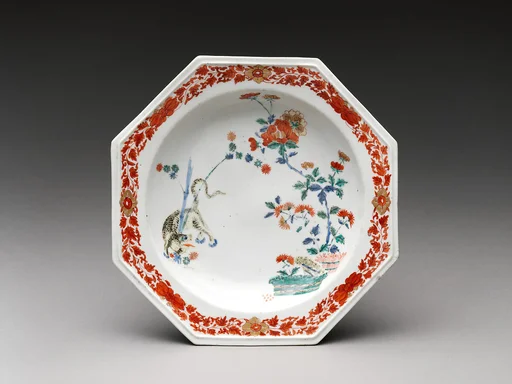
ca. 1850 · Pottery covered with finely crackled glaze, decorated in polychrome enamels (Hizen ware, Kutani type). · Asian Art
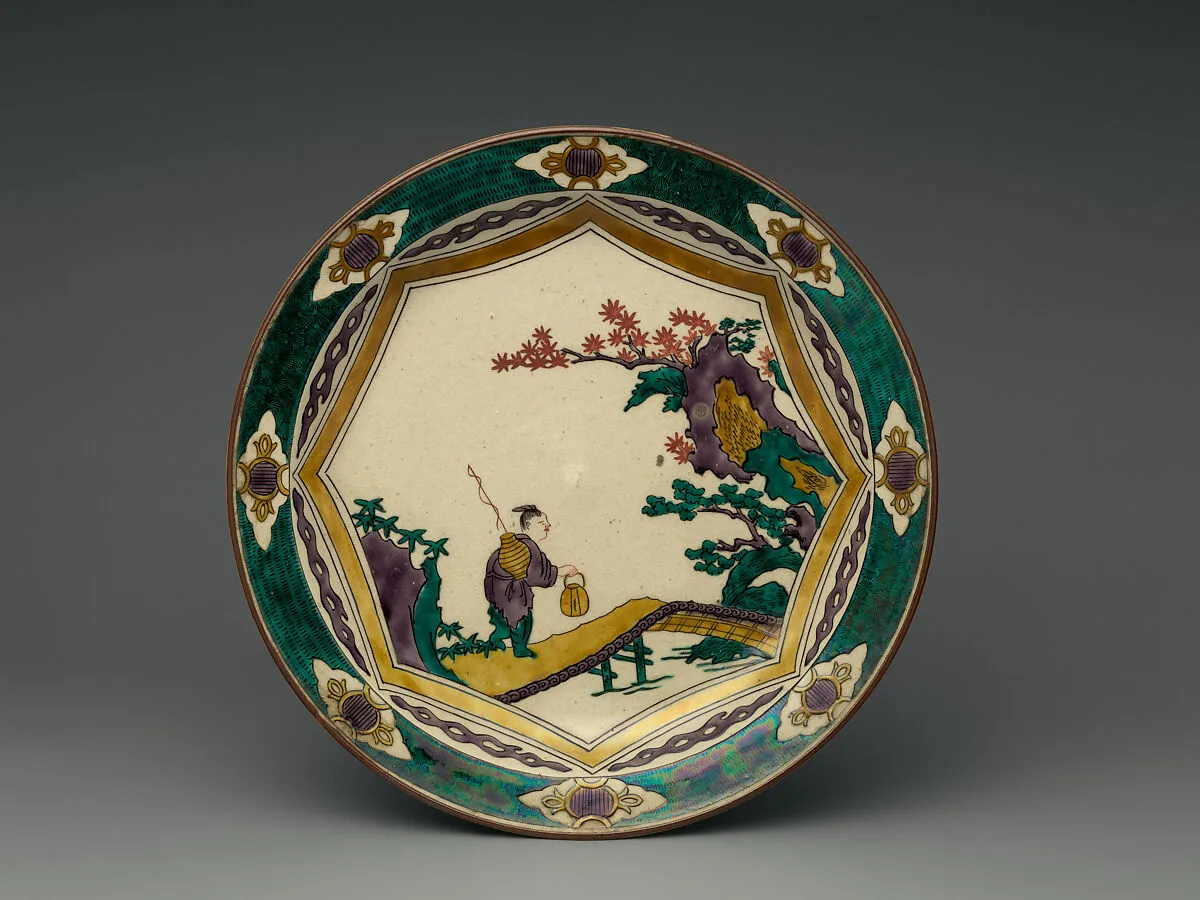
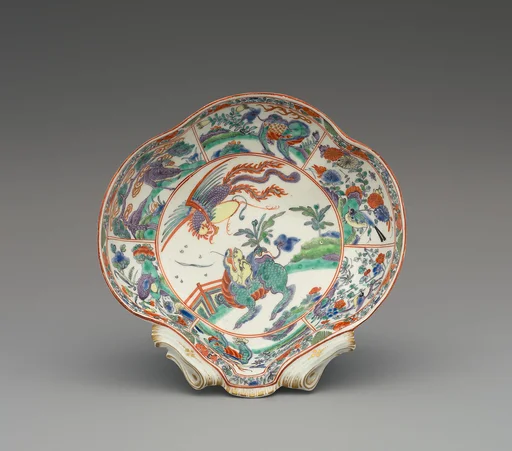
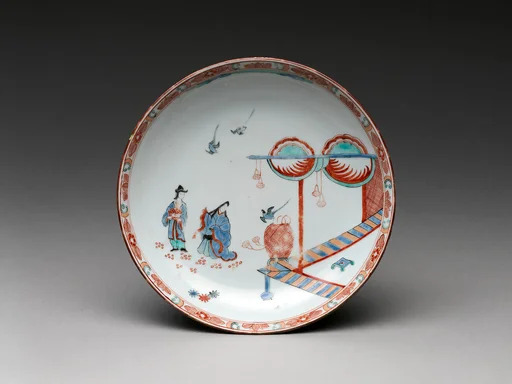
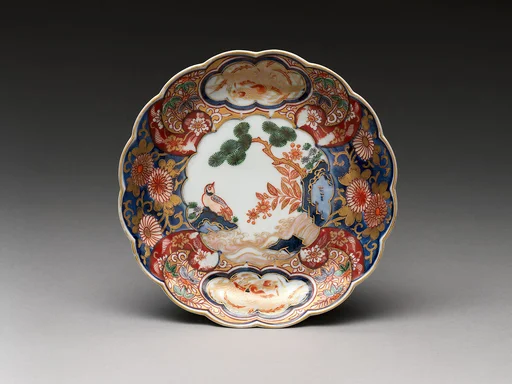
The dish, an example of Kutani porcelain, is characterized by the application of colorful enamels over the glaze. Its composition of a Chinese-style landscape with a fisherman dates back to the seventeenth century. The earliest Japanese porcelain decorated with polychrome overglaze enamels was produced in Arita (now in Saga prefecture) around 1650, after the technique was adopted from China. Some of those early wares are now known as Ko-Kutani (Old Kutani) because later, in the nineteenth century, similar porcelain was fabricated in Kutani, in the Kaga region (now in Ishikawa prefecture). Moore owned several other Kutani wares as well, and most of them reflect a taste for complex textures, graphic patterns, and irregular shapes.
- Artist
- Unknown
- Date
- ca. 1850
- Medium
- Pottery covered with finely crackled glaze, decorated in polychrome enamels (Hizen ware, Kutani type).
- Culture
- Japan
- Department
- Asian Art
- Credit line
- Edward C. Moore Collection, Bequest of Edward C. Moore, 1891