Prayer Book
'Abd al-Qadir Hisari
dated A.H. 1180/ 1766 CE · Manuscript: ink, opaque watercolor, and gold on paper Binding: leather and gold · Islamic Art
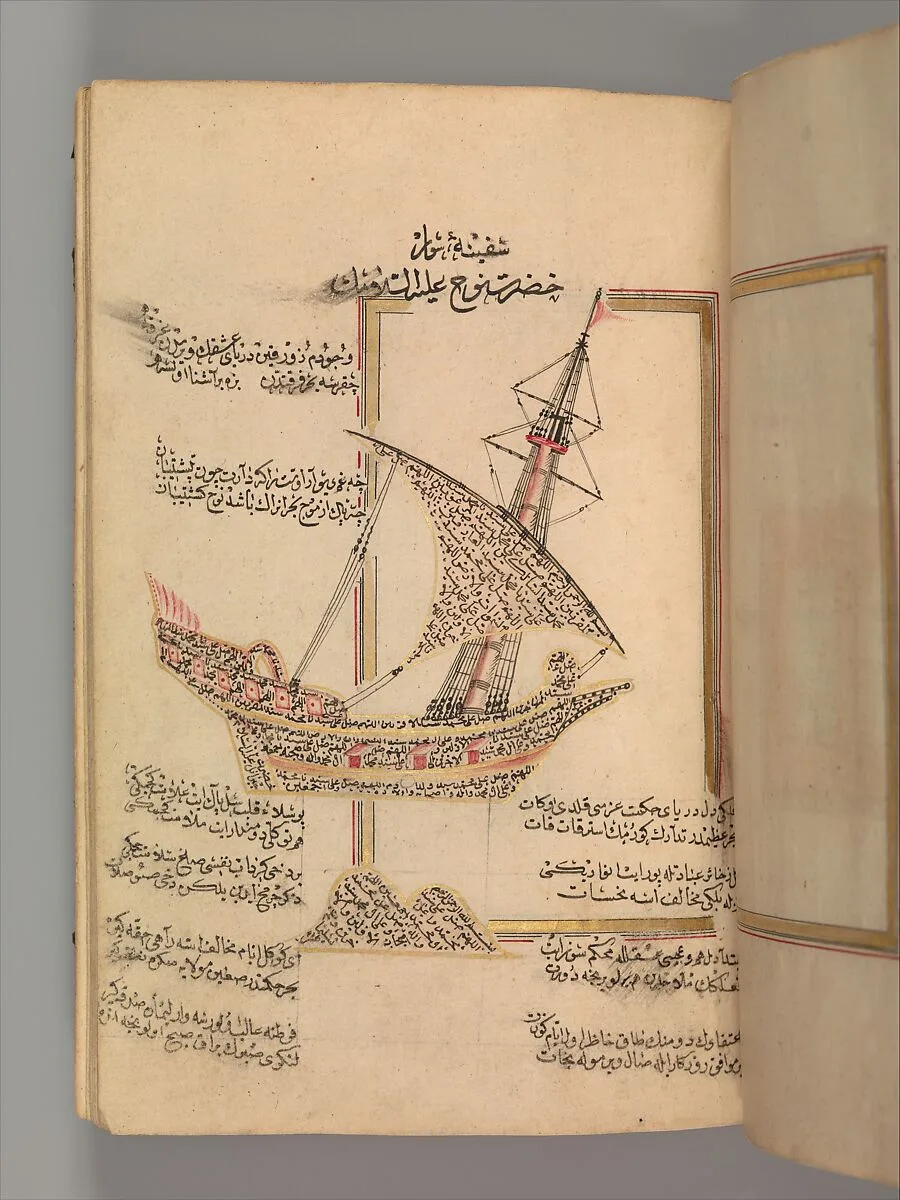
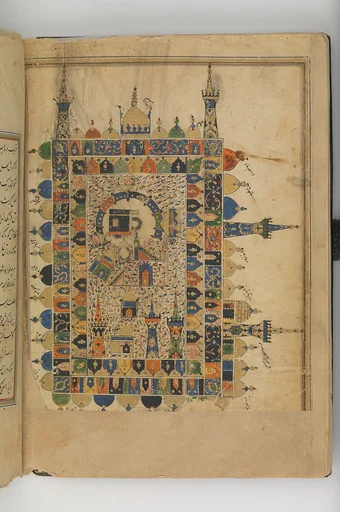
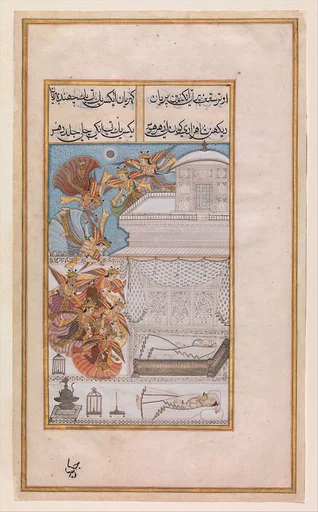
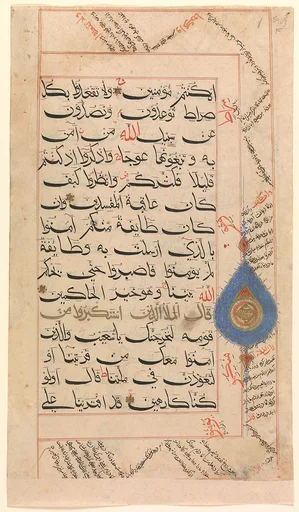
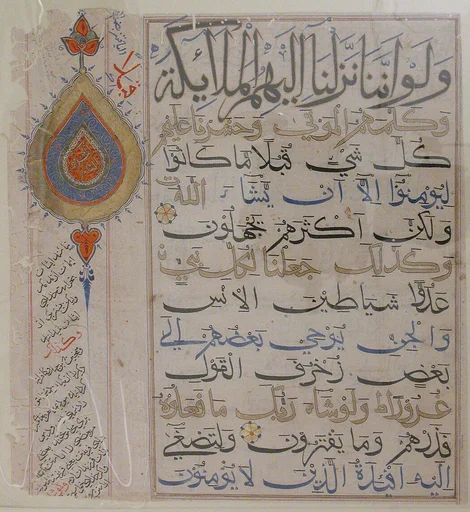
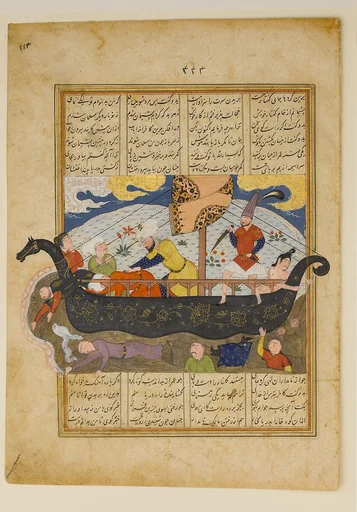
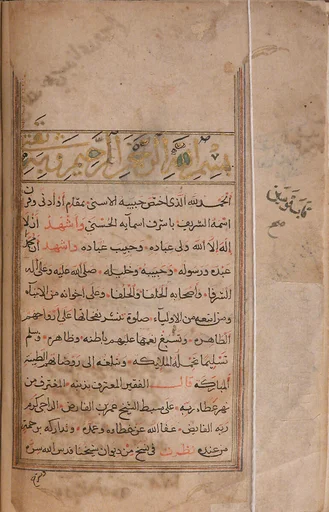
This small prayer book, or du'anama, belongs to a corpus of illustrated devotional texts produced in the Ottoman Empire in the eighteenth and nineteenth centuries. Unlike most prayer books created at the time, this one contains twenty-nine drawings of traditional Islamic themes and subjects, which are outlined in gold and filled with prayers in ghubar naskh, an especially fine or "dust-like" variety of the naskh script. These include representations of the Ka'ba, the footprints (kadem) of the Prophet Muhammad, the Seal of Solomon, the bifurcated sword of 'Ali (zu'l fiqar), Noah's Ark, the lamp of the Prophet, the trumpet of the Archangel Israfil, and the cave from the story of the Seven Sleepers in the Qur'an, among others. The manuscript is signed and dated by the calligrapher, a prominent mid-eighteenth-century master known for his calligrams and pictorial calligraphic compositions, such as the galleon with inscriptions referring to the story of the Seven Sleepers also in the Metropolitan's collection (2003.241). It also contains collectors' stamps dating to the first half of the nineteenth century. The leather binding is decorated with stamped and gilded medallions within a simple border. Prayer manuals enjoyed wide popularity in the Ottoman Empire in the eighteenth and nineteenth centuries, a time of political reform and religious revivalism. Used for individual prayer, they also served as mediational devices to protect, comfort, and heal their owners.
- Artist
- 'Abd al-Qadir Hisari
- Date
- dated A.H. 1180/ 1766 CE
- Medium
- Manuscript: ink, opaque watercolor, and gold on paper Binding: leather and gold
- Department
- Islamic Art
- Credit line
- Purchase, Friends of Islamic Art Gifts, 2014