烏丸光広筆 十牛図歌賛図巻|Ten Oxherding Songs
Karasumaru Mitsuhiro
ca. 1634 · Handscroll; ink on dyed paper with stenciled decoration in gold and silver · Asian Art
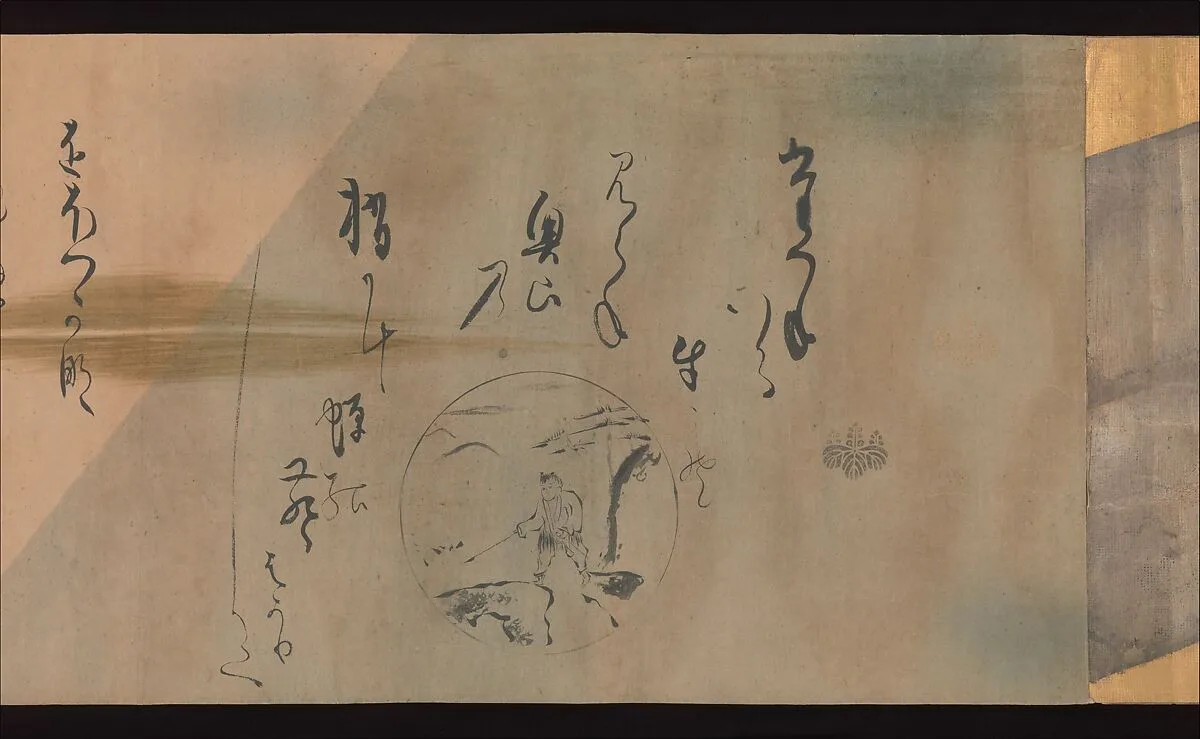
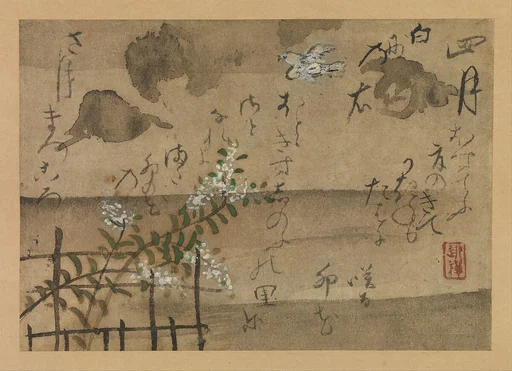
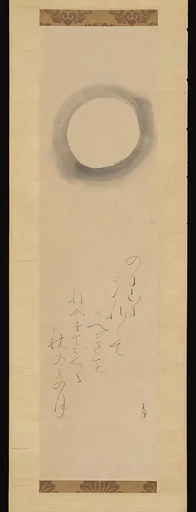
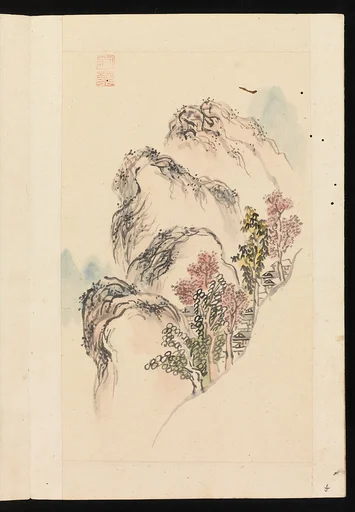
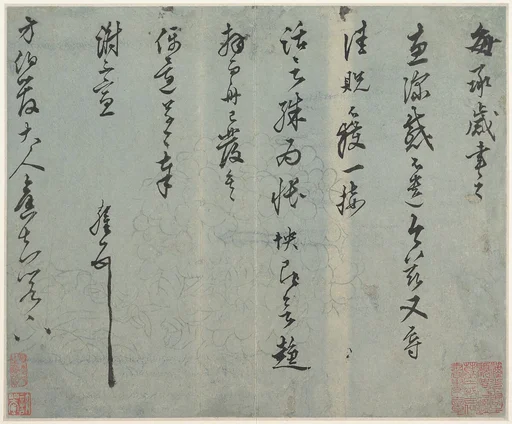
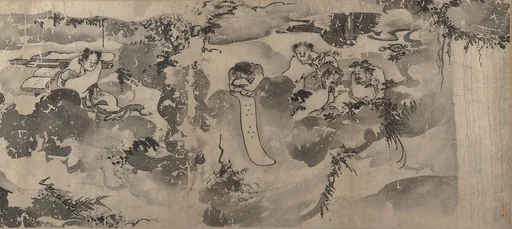
Ten waka (poems of thirty-one syllables) describing the various stages of spiritual awareness, from the initial search to final realization, are couched in the classic Zen parable Ten Ox-Herding Songs, which likens this vigorous human quest to the often comic vicissitudes of a herdboy in pursuit of an elusive ox. The courtier-calligrapher Karasumaru Mitsuhiro rendered the Zen theme in a style that reflects the aristocratic tradition of personally expressive writing on decorated paper. The poems, Mitsuhiro’s own, are based on a set by a fifteenth-century monk at Tōfukuji, an important Zen temple in Kyoto. Following a common literary practice, Mitsuhiro personalized the poems by making slight changes to their wording, each change alluding to classical sources. Mitsuhiro also subtly altered the standard sequence of accompanying pictures. The style of the calligraphy is influenced by that of Mitsuhiro’s teacher, Hon’ami Kōetsu (1558–1637), who with Mitsuhiro was instrumental in reviving the aesthetics of Heian-period (794–1185) art in the early seventeenth century. Mitsuhiro was a major figure in the circle of the politically enfeebled but artistically influential Emperor Go-Mi zunō-ō (1596–1680).
- Artist
- Karasumaru Mitsuhiro
- Date
- ca. 1634
- Medium
- Handscroll; ink on dyed paper with stenciled decoration in gold and silver
- Culture
- Japan
- Department
- Asian Art
- Credit line
- Purchase, Friends of Asian Art Gifts, 1986