Violin
Unknown Maker
after 1625 · Wood · Musical Instruments
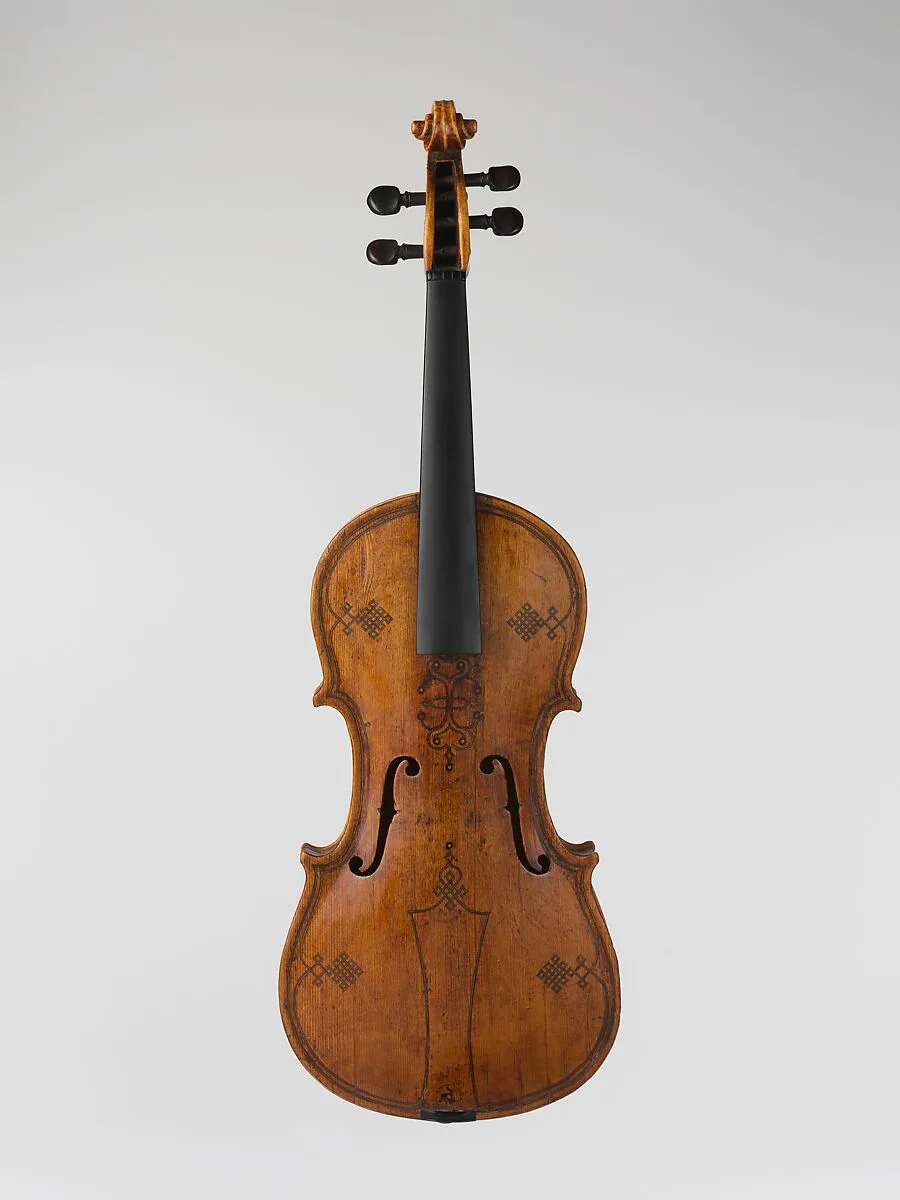
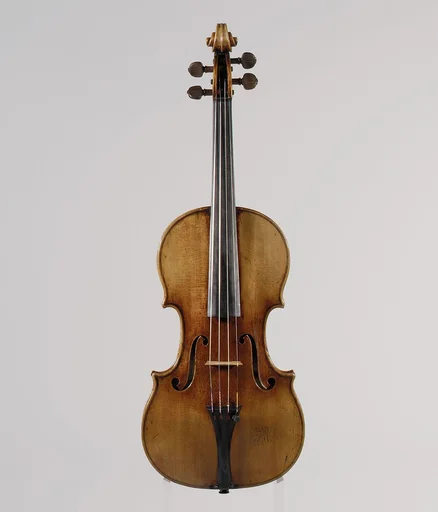
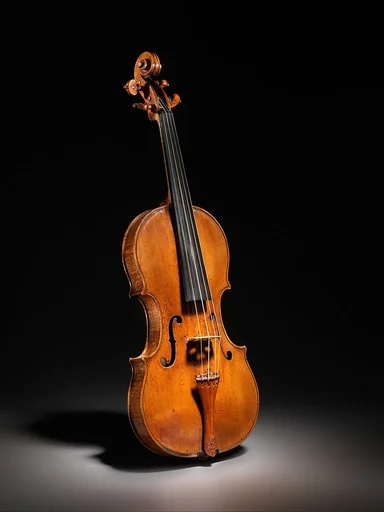
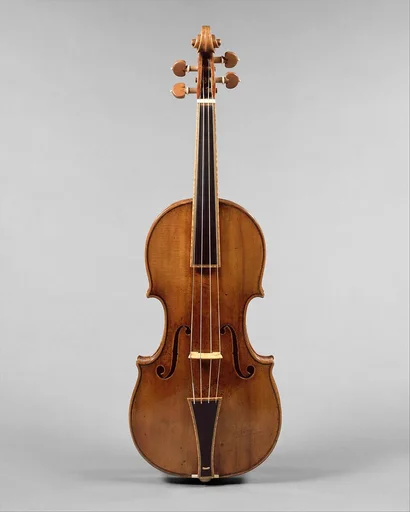
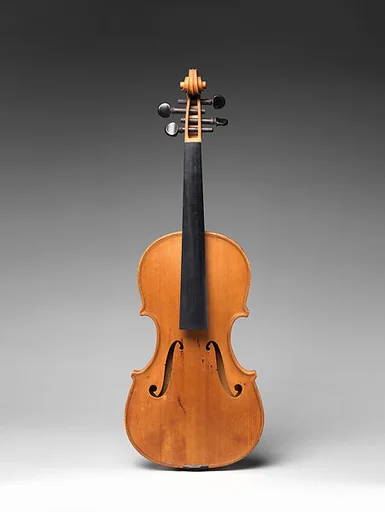
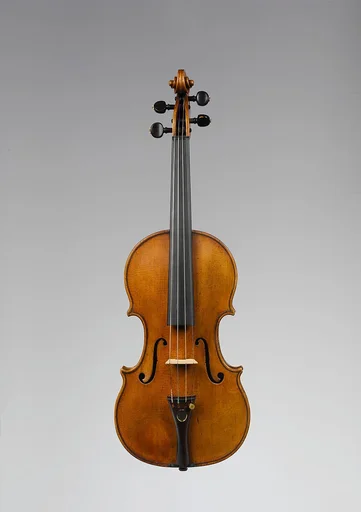
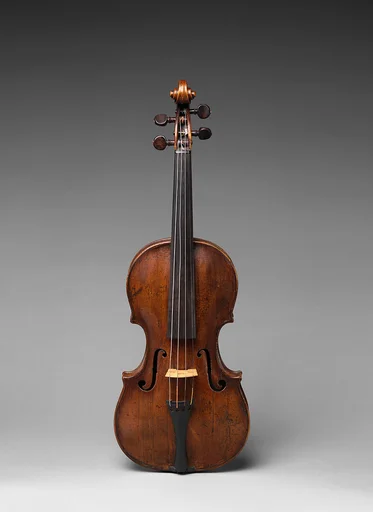
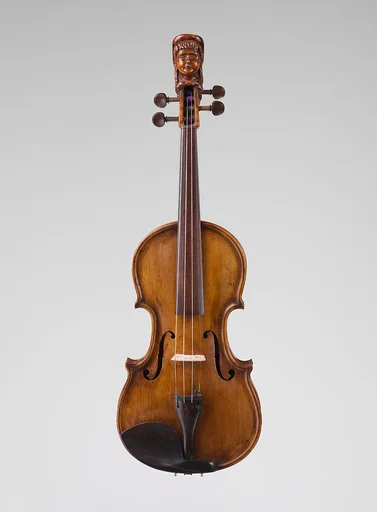
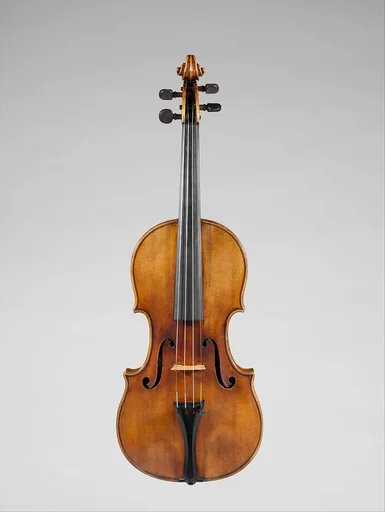
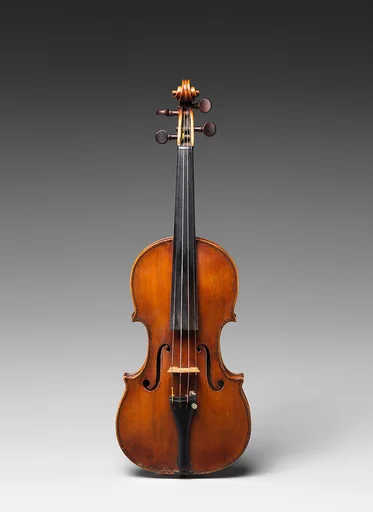
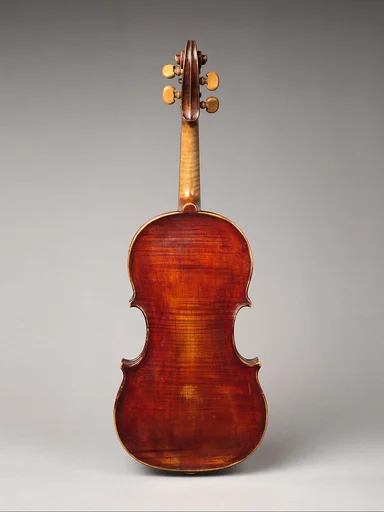
Inlaid lines and patterns like those found on this violin were first found on instruments built in the city of Brescia, but also became popular in England where they appeared throughout the seventeenth century and even into the eighteenth. The neck (but not the scroll) and fingerboard are nineteenth century replacements. Description: Small size violin: orange-brown varnish; spruce top of fine grain widening toward the edges; the outer side of both F-holes replaced; one-piece maple back with light horizontal flame; matching ribs; pegbox grafted on later neck with modern ebony fingerboard and pegs; tailpiece missing; a possible obscure insignia under tailpiece just above saddle; highly elaborate purfling; double purfling on top, the outer following the body outline, the inner digressing into geometric knots at upper and lower bouts and outlining the tailpiece and including a separate purfled ornament above the F-holes, the ribs inlaid with a herringbone pattern, the back also double-purfled, the inner purfling digressing into knots at all three bouts and joining the outer purfling at top and bottom to form an intricate four-strand repetitive scrollwork pattern punctuated by rows of dots.
- Artist
- Unknown Maker
- Date
- after 1625
- Medium
- Wood
- Culture
- British or German
- Department
- Musical Instruments
- Credit line
- Purchase, Clara Mertens Bequest, in memory of André Mertens, 1990