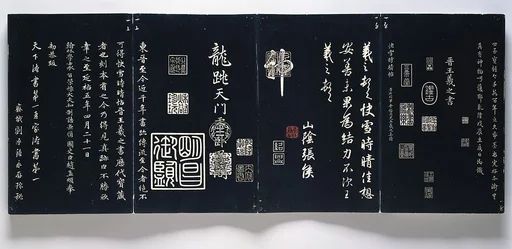
清拓 《史晨碑》 冊 十九世紀拓本|Stele for Shi Chen
Unidentified artist
19th century rubbing; stele dated 169 CE · Rubbing mounted in an album of thirty-two leaves; ink on paper · Asian Art
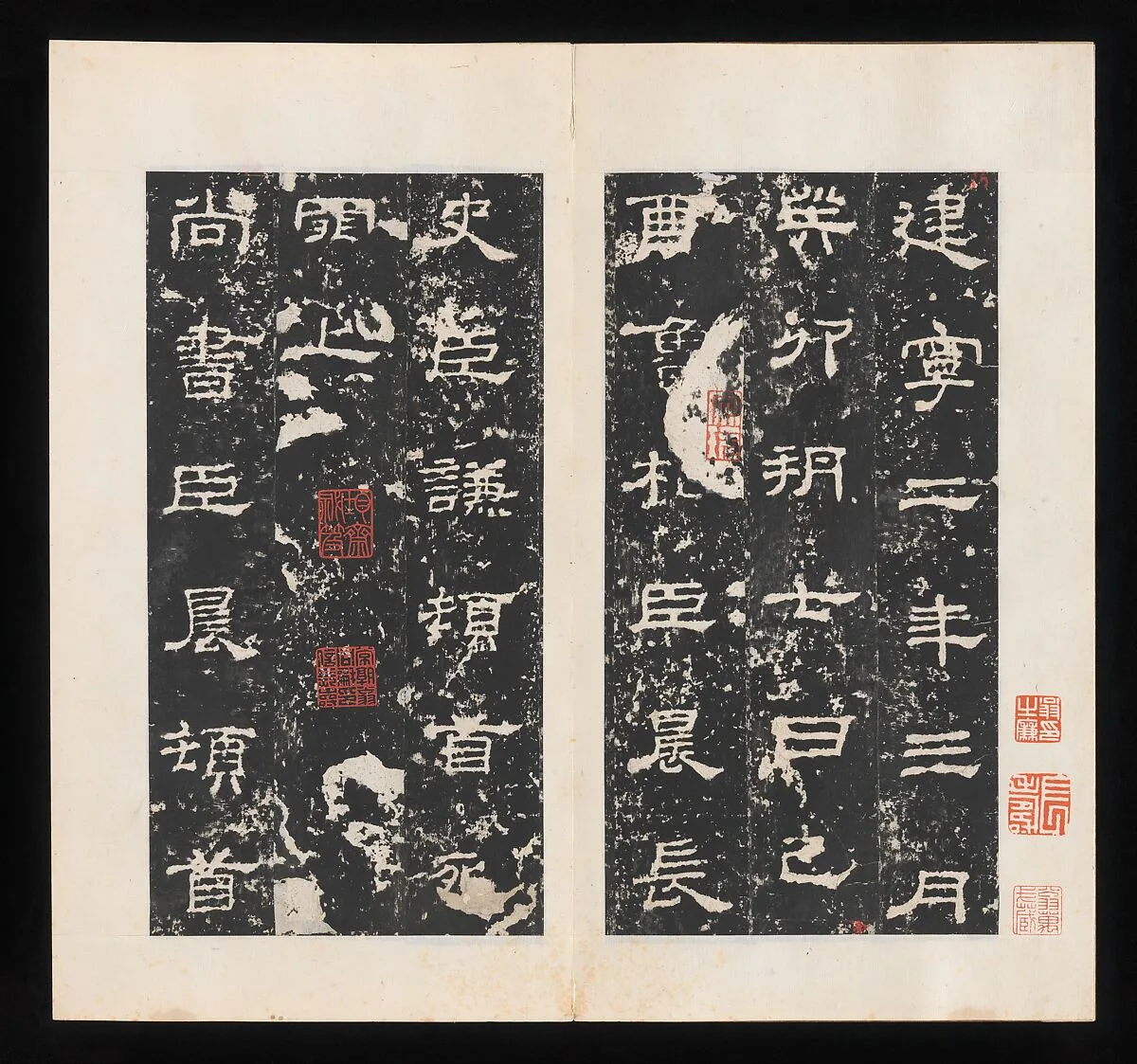
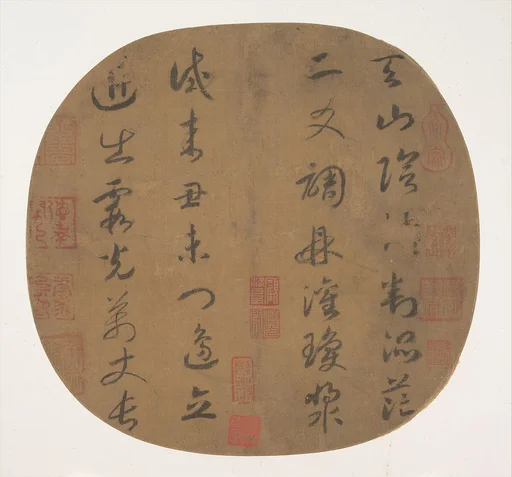
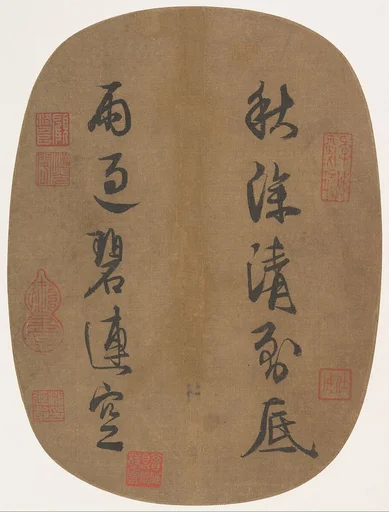
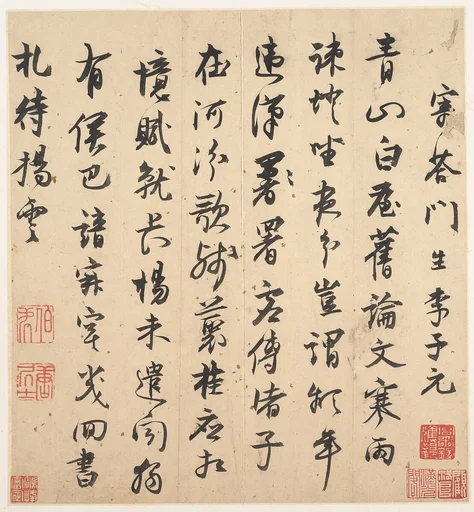
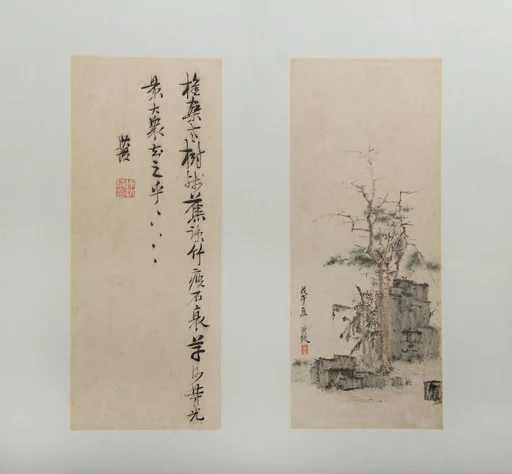
For nearly eighteen hundred years, the stone stele from which this rubbing was taken has stood in the Temple of Confucius, adjacent to the sage's birthplace in Qufu, Shandong Province. The stele bears engraved texts concerning rituals conducted at the temple in Confucius's memory. When the official Shi Chen arrived in Qufu in A.D. 168, he personally financed an elaborate ritual that included sacrificial offerings. He then submitted a memorial to Emperor Ling (r. 168–69) requesting funds to pay for the rituals each year in the spring and autumn. The calligraphy on the stele is an example of Han-dynasty clerical script. Originally developed by scribes and bureaucrats for everyday writing, this script type came to be widely used for stone inscriptions requiring strict, orderly forms of writing. In clerical script, blocky characters fit into an imaginary grid, and strokes tend to be of even thickness. Some horizontal strokes end in sharply defined, angular tips, while curved and downward-flaring strokes display complex shapes. The spacious layout of the text and even spacing of the strokes create a sense of dignity appropriate to the stele's placement within the temple precinct.
- Artist
- Unidentified artist
- Date
- 19th century rubbing; stele dated 169 CE
- Medium
- Rubbing mounted in an album of thirty-two leaves; ink on paper
- Culture
- China
- Department
- Asian Art
- Credit line
- Gift of Mr. and Mrs. Wan-go H. C. Weng, 1992