Armored Cavalryman
Unknown
18th–19th century · Steel, iron, gold, silver, copper alloy, brass, wood, leather, textile, bone, horn, silk, hair, turquoise, lead · Arms and Armor
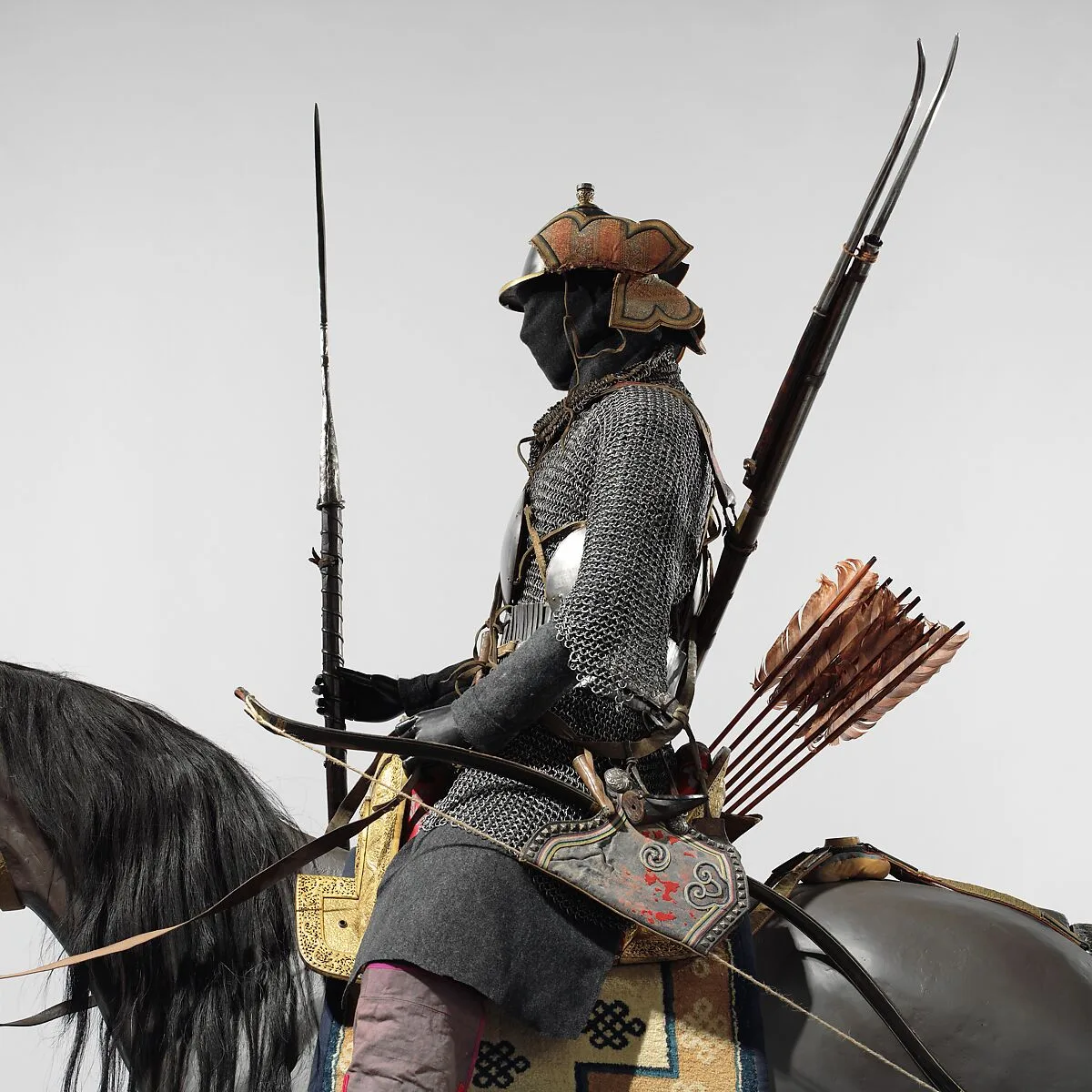
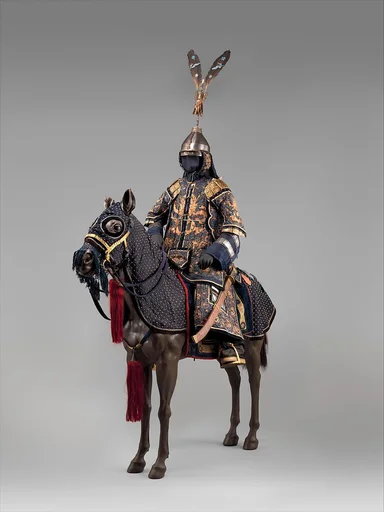
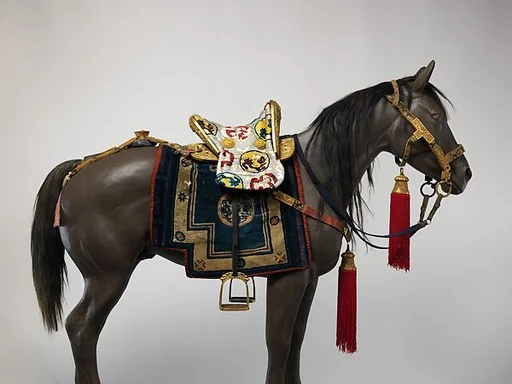
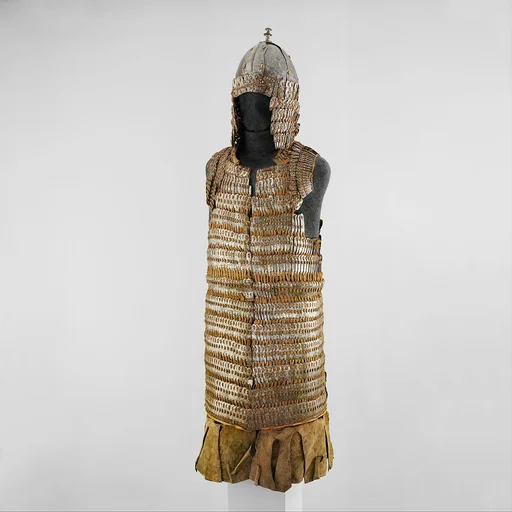
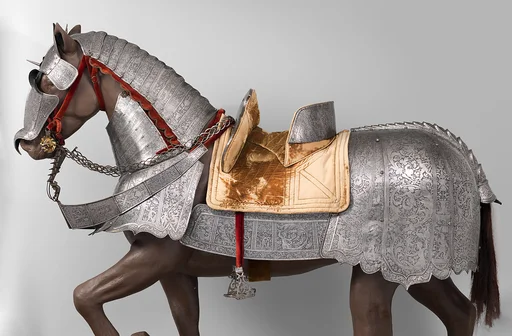
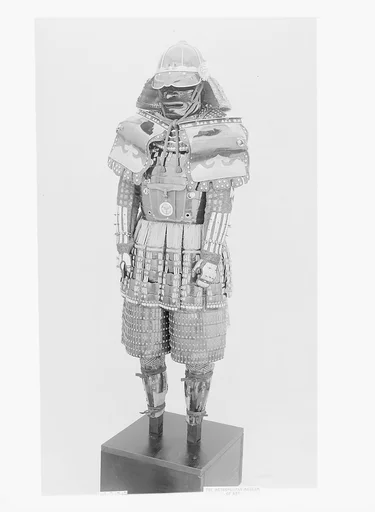
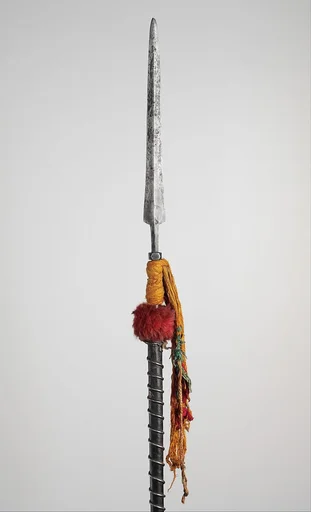
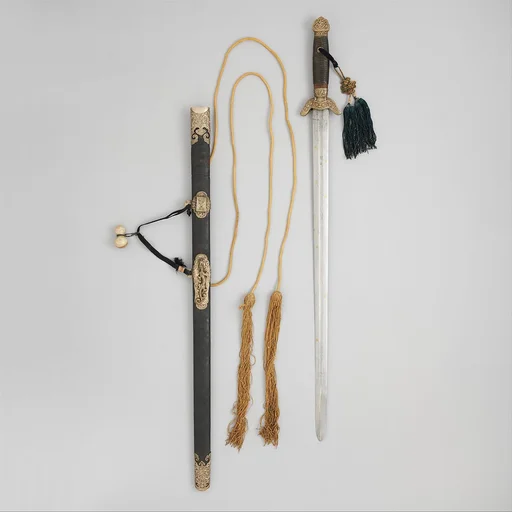
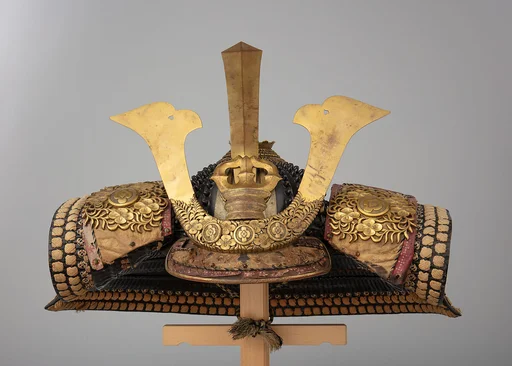
This figure has been assembled based on photographs taken in the 1930s and 1940s in the Tibetan capital of Lhasa during the Great Prayer Festival. The photographs showed troops of ceremonial armored cavalry, who wore a standardized set of equipment as stipulated by the central government of Tibet probably from the mid-seventeenth or eighteenth century onward. The equipment included a helmet, a mail shirt, a set of four mirrors, an armored belt, a bow case and quiver, a matchlock musket, a bandoleer with gunpowder and bullets, and a short spear for the rider, as well as a saddle, saddle rug, and tack for the horse. Armed and equipped in a similar fashion, Tibetan government officials were periodically required to demonstrate proficiency on horseback with musket, bow and arrow, and spear until as late as the mid twentieth century.
- Artist
- Unknown
- Date
- 18th–19th century
- Medium
- Steel, iron, gold, silver, copper alloy, brass, wood, leather, textile, bone, horn, silk, hair, turquoise, lead
- Culture
- Tibetan, and possibly Bhutanese and Nepalese
- Department
- Arms and Armor
- Credit line
- 36.25.2ii, .25, .351, .476, .583a–d, h–k, .2174, .2461, .2505, .2557a, b: Bequest of George C. Stone, 1935; 1974.160.10: Bequest of Joseph V. McMullan, 1973; 1970.164.7a, b: Gift of Mrs. Faïe J. Joyce, 1970; 1997.214.6: Purchase, Rogers Fund and bequest of Stephen V. Grancsay, by exchange, 1997; 2006.269: Purchase, Arthur Ochs Sulzberger Gift, 2006