Drachm
Unknown
ca. 1st century BCE · Silver · Ancient Near Eastern Art
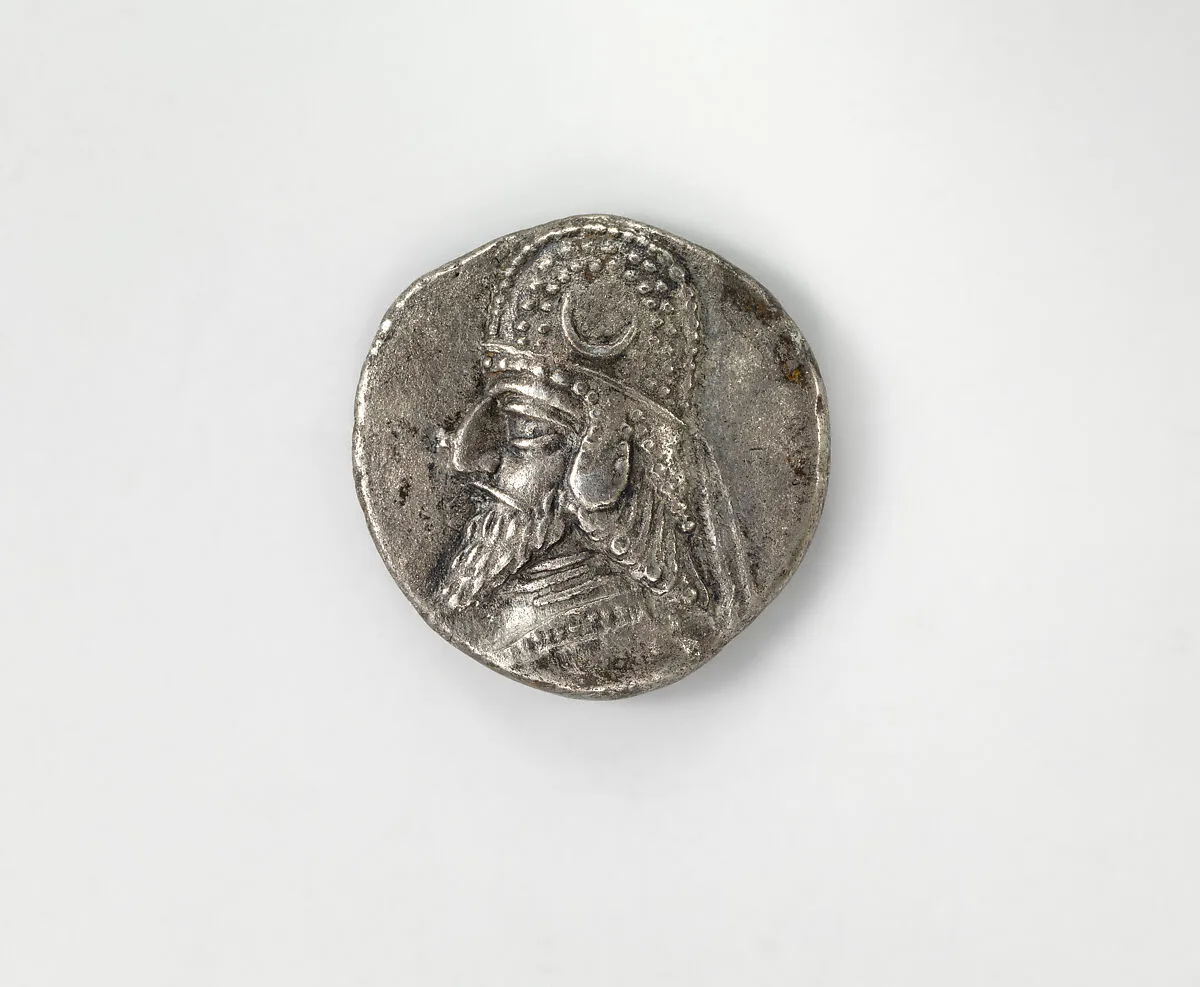
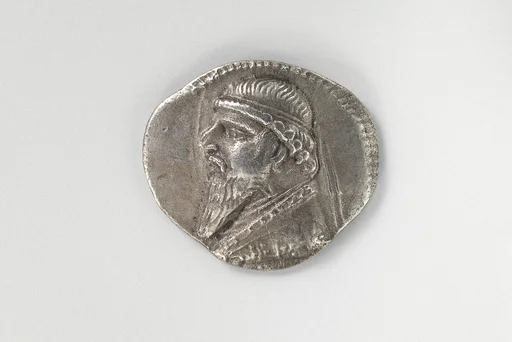
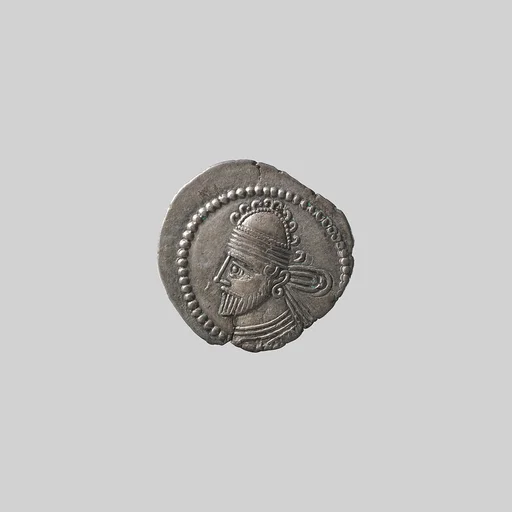
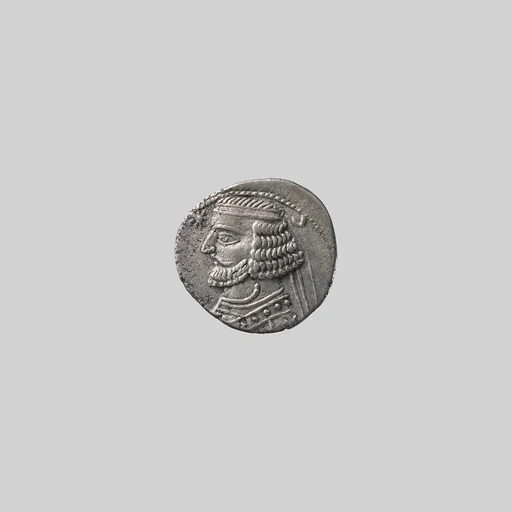
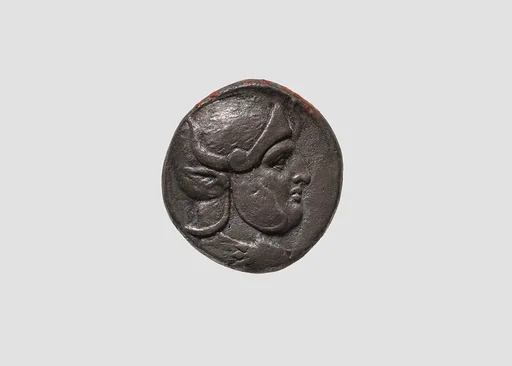
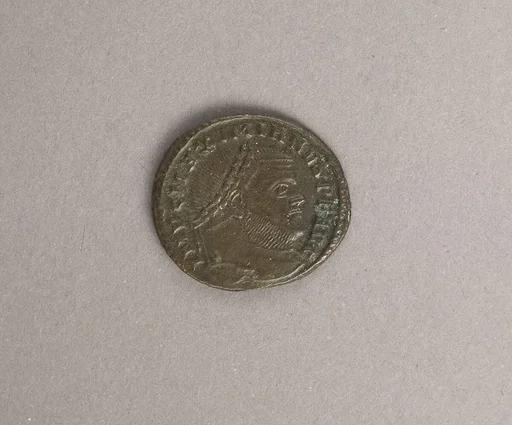
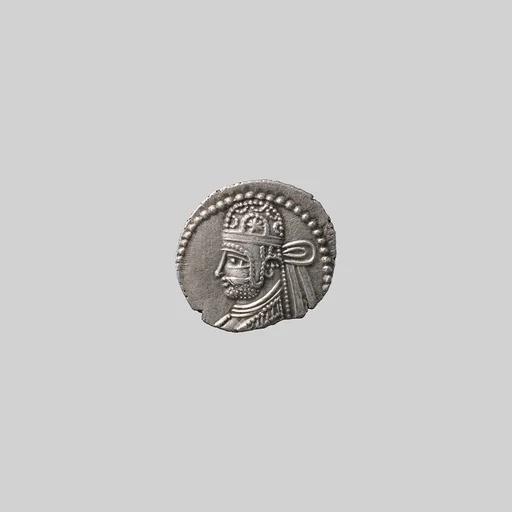
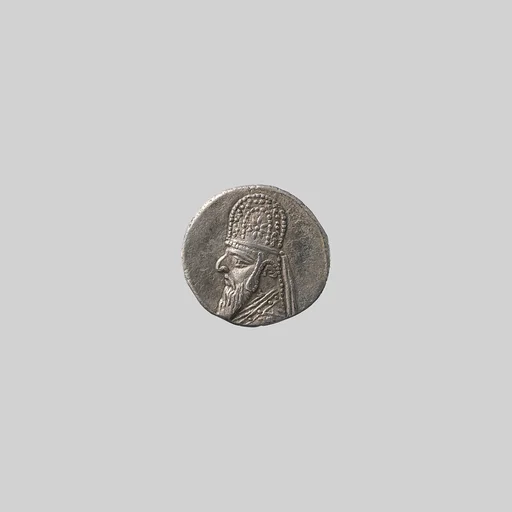
Coins began to be minted for Parthian rulers after the accession of Mithridates I (ca. 171-138 B.C.). Silver was the main metal and mints were located in over twenty cities. The drachm was the primary denomination and most were minted at Ecbatana: tetradrachms were produced almost exclusively in Seleucia-Ctesiphon. Most coins feature a Parthian king’s portrait on the obverse facing left and either a seated archer or a standing figure and fire altar on the reverse, surrounded by an inscription. The obverse of this drachm most likely features the bust of Darius II, king of Media Atropatene (ca. 1st century B.C.). He has a long pointed beard and wears a tiara with a lappe, decorated with a crescent and three rows of beading and a diadem. On the reverse an inscription surrounds the figure of the king, who appears facing to the left in front of a lighted fire altar dressed in a long robe with a staff in his raised left hand.
- Artist
- Unknown
- Date
- ca. 1st century BCE
- Medium
- Silver
- Culture
- Parthian
- Department
- Ancient Near Eastern Art
- Credit line
- Bequest of Joseph H. Durkee, 1898