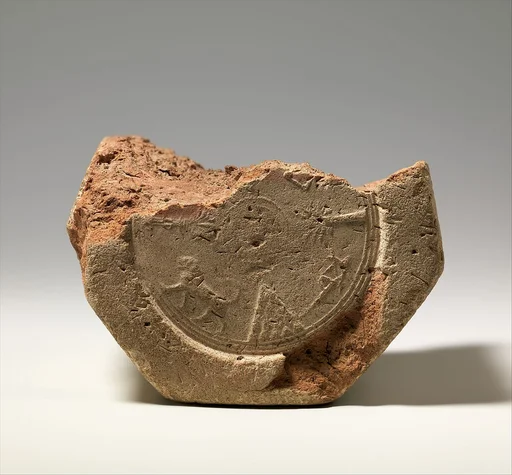
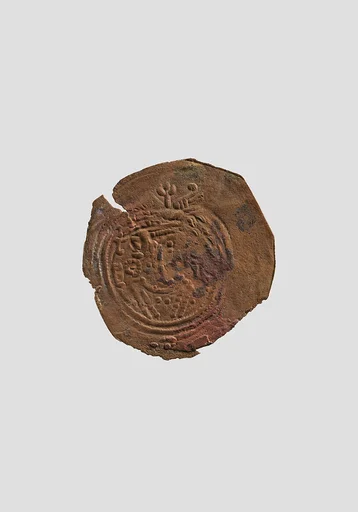
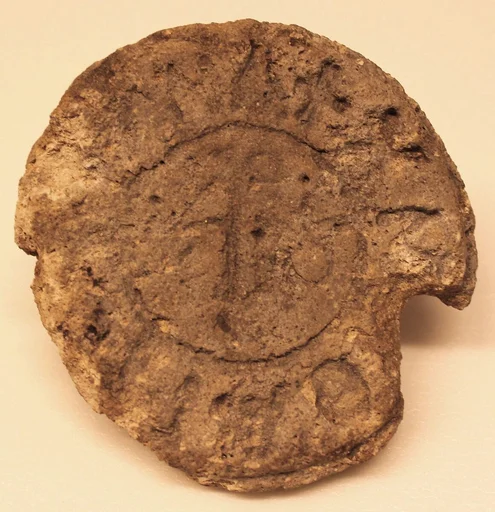
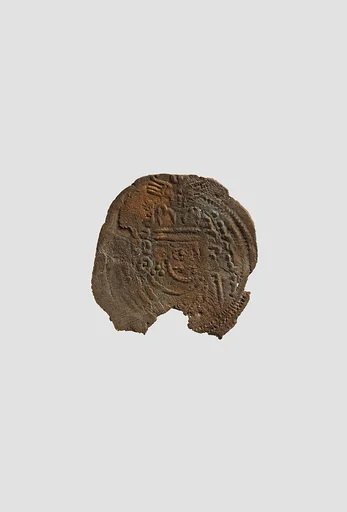
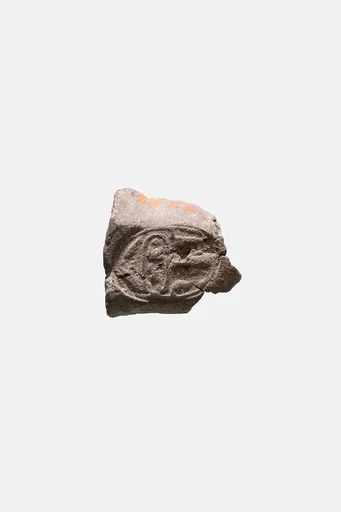
Terracotta coin molds
Unknown
ca. 308–320 CE · Terracotta · Greek and Roman Art
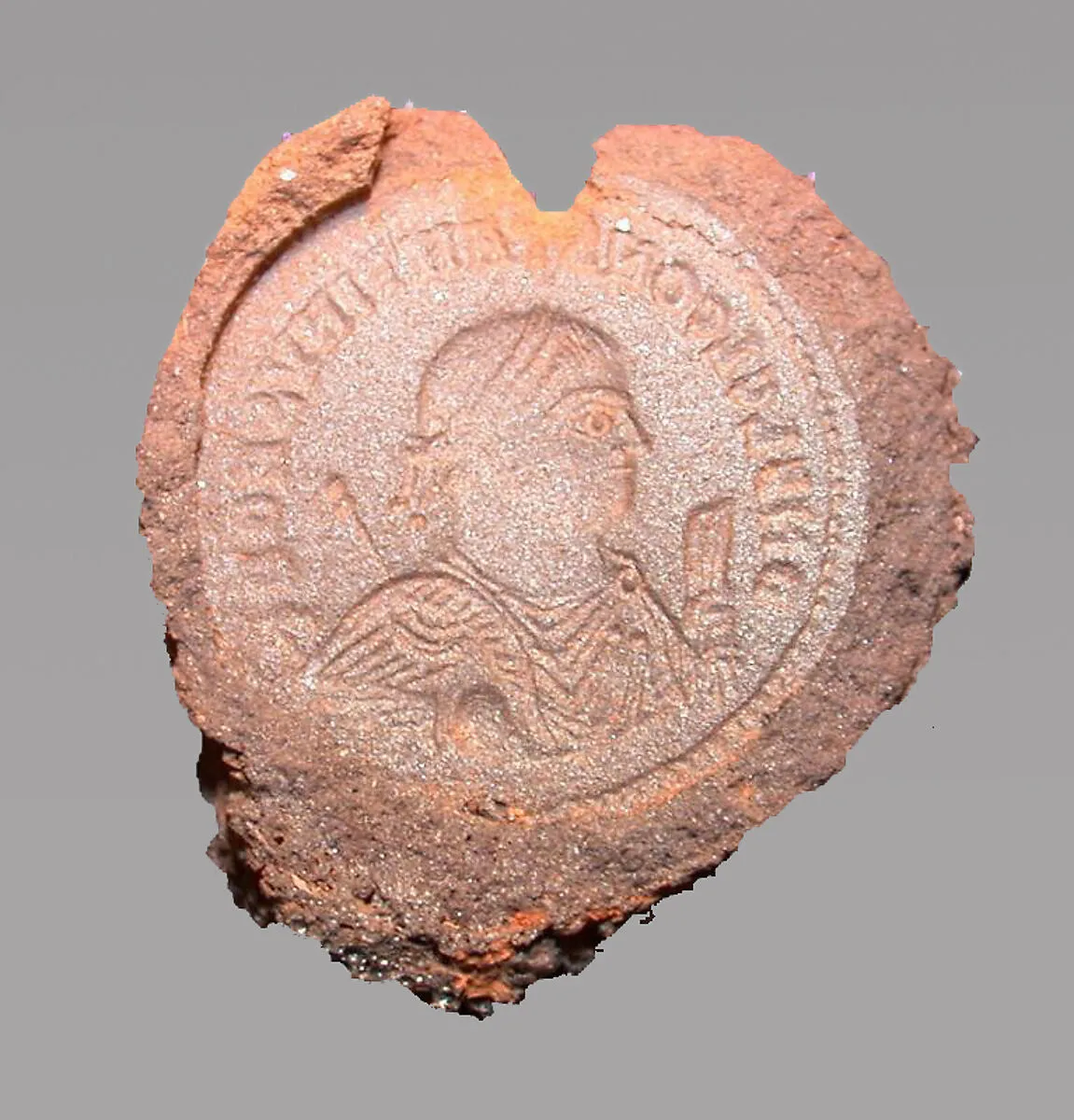
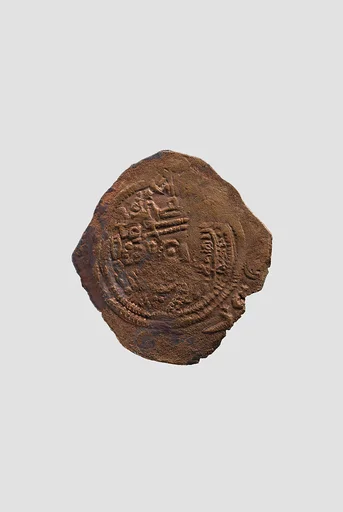
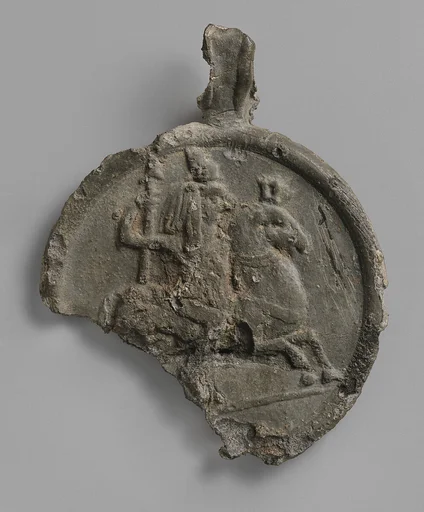
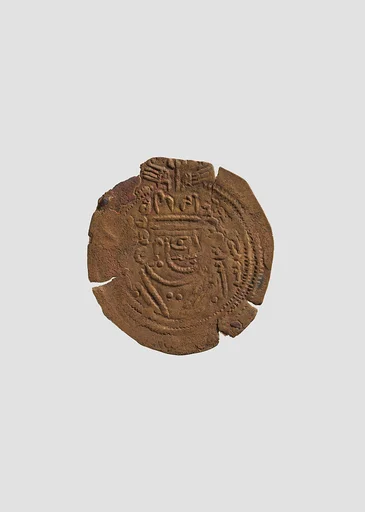
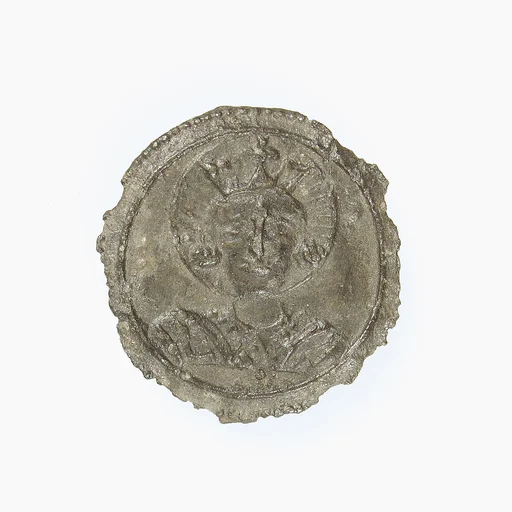
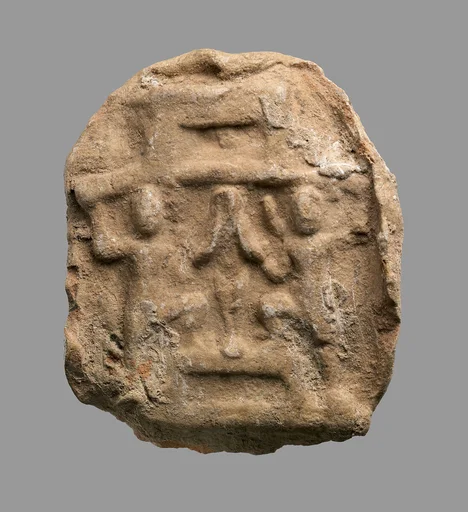
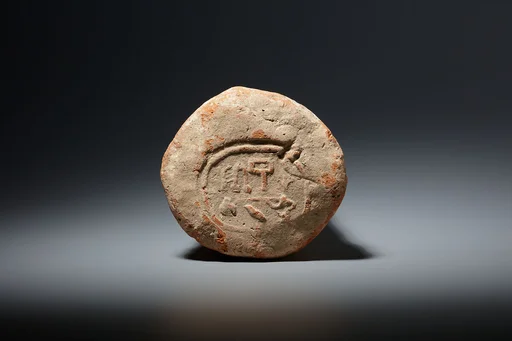
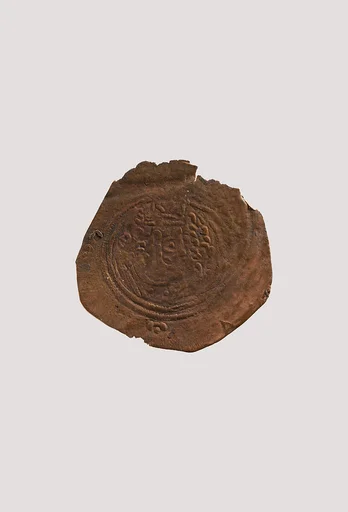
Roman coins were usually struck, not cast. These molds, therefore, were made from real coins in order to make forgeries of low-value bronze nummi. The practise may be seen as an attempt to overcome a shortage of official coin, but it clearly involved an element of deception and profiteering and was undoubtedly regarded as highly illegal by the imperial authorities. These examples include three obverse and three reverse molds, the latter all from coins minted at Alexandria, which fits the recorded provenance. The obverses portray two of the tetrarchs of the period between A.D. 308 and 311 and a later coin showing Constantine II as Caesar, dated A.D. 317–320.
- Artist
- Unknown
- Date
- ca. 308–320 CE
- Medium
- Terracotta
- Culture
- Roman
- Department
- Greek and Roman Art
- Credit line
- Gift of Joseph V. Noble, 1958