Pair of boxes
Unknown
late 17th–early 18th century · Walnut · European Sculpture and Decorative Arts
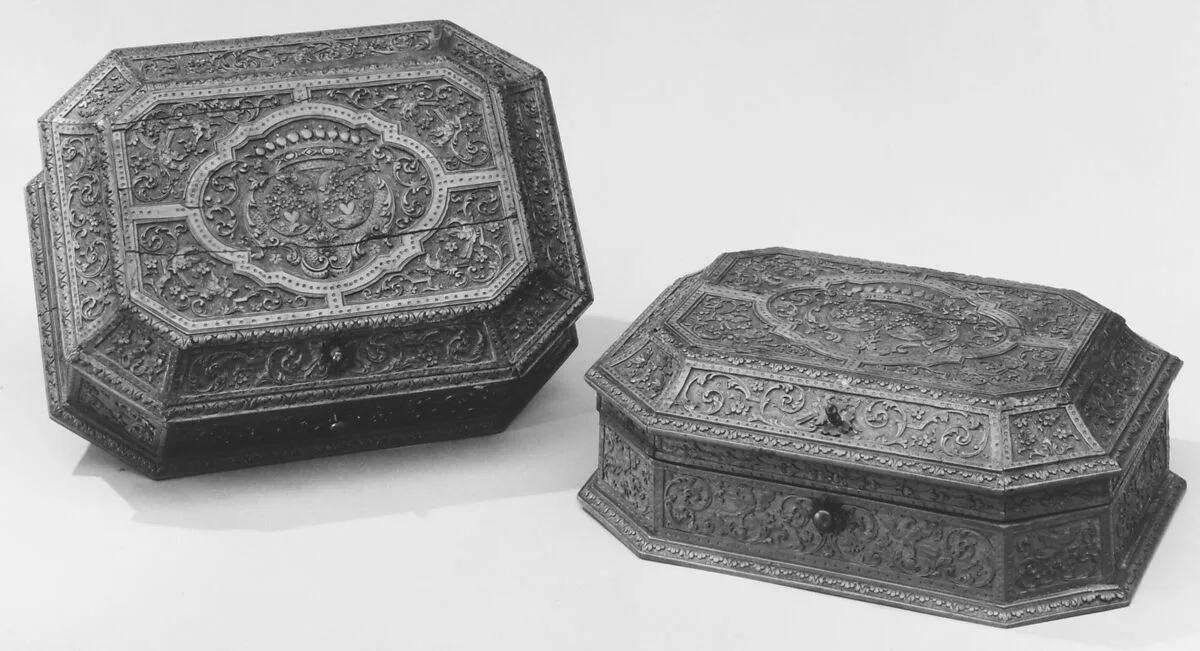
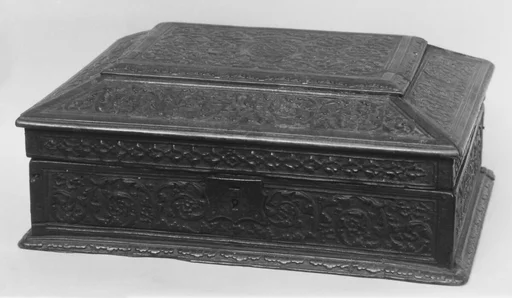
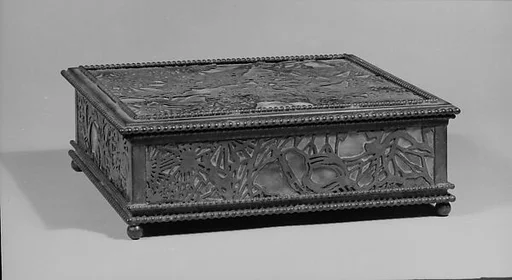
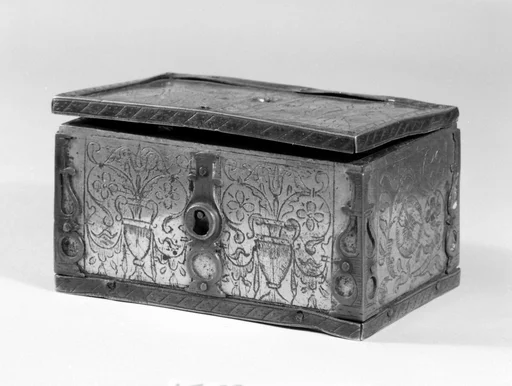
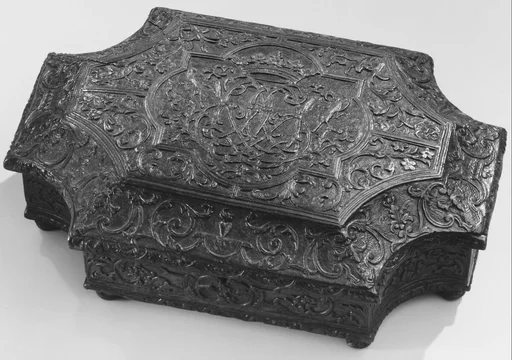
This pair of rectangular boxes with canted corners displays finely carved decoration in relief carving which is typical for a group of pieces made in Nancy, in eastern France. The very fine-grained cherry wood, known as “bois de Sainte Lucie,” grew in a nearby forest. Named for the patron saint of the Lorraine region, this type of fruitwood was appreciated for its reddish-brown color and its pleasant smell reminiscent of cinnamon. Furthermore, it lent itself beautifully to carving often in intricate patterns resembling goldsmith work. These boxes would have been part of a dressing-table set and would have held combs, ribbons, and other personal grooming implements. The use of “bois de Sainte Lucie” for dressing-table sets was stimulated by Louis XIV’s sumptuary edicts of 1689 and 1709, which caused much French silver to be melted down.
- Artist
- Unknown
- Date
- late 17th–early 18th century
- Medium
- Walnut
- Culture
- French
- Department
- European Sculpture and Decorative Arts
- Credit line
- Gift of Rosenberg and Stiebel Inc., 1963