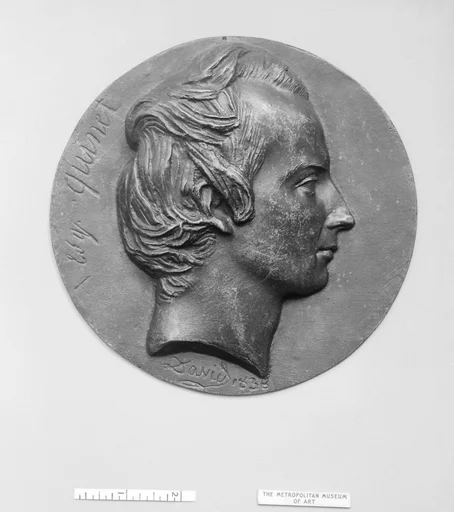
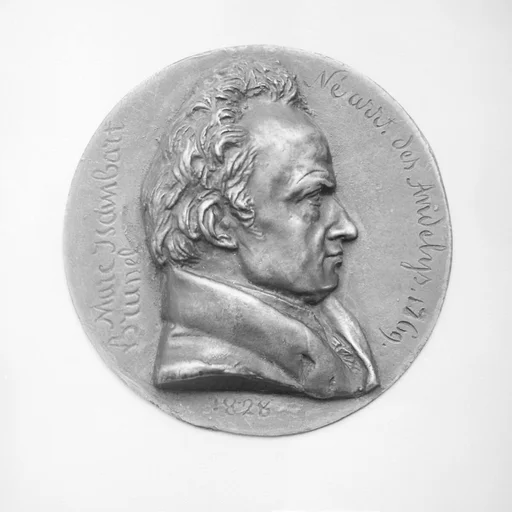
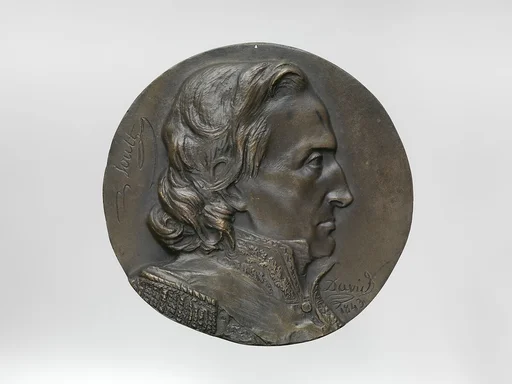
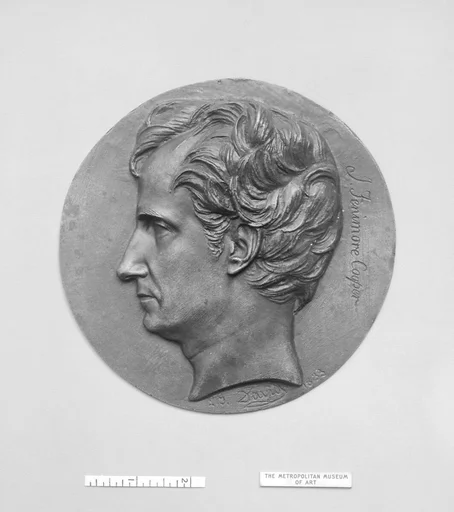
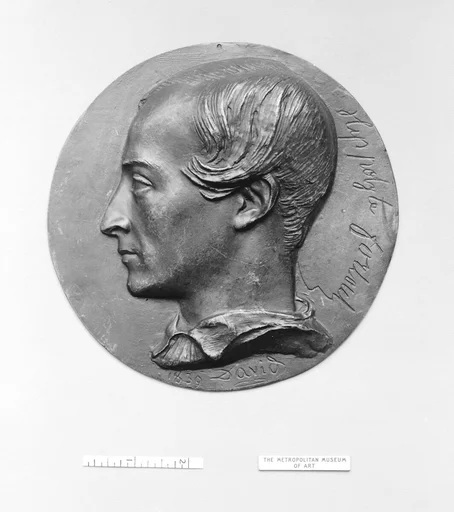
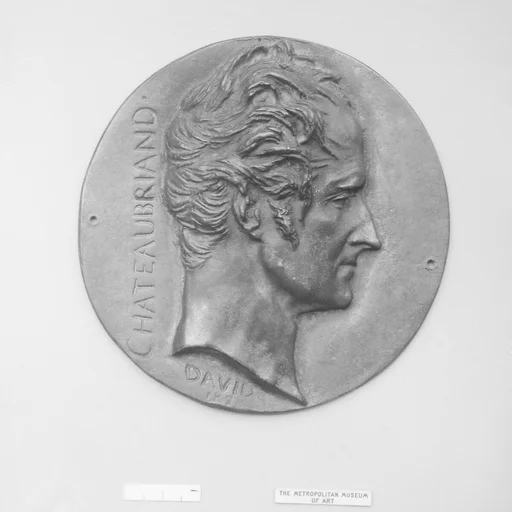
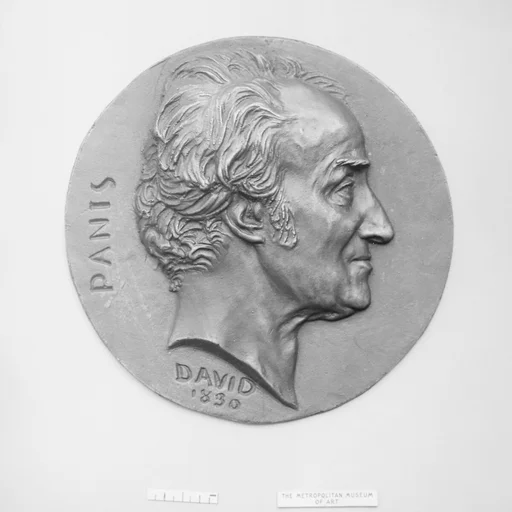
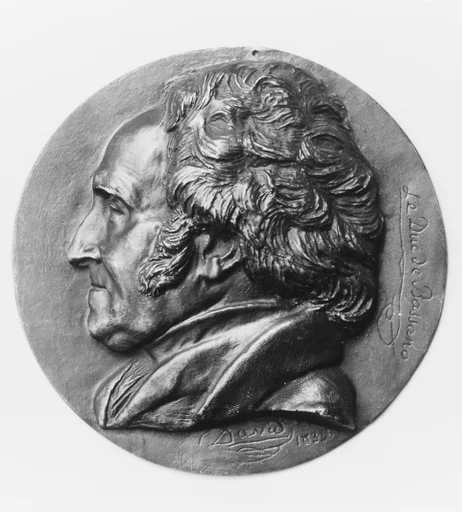
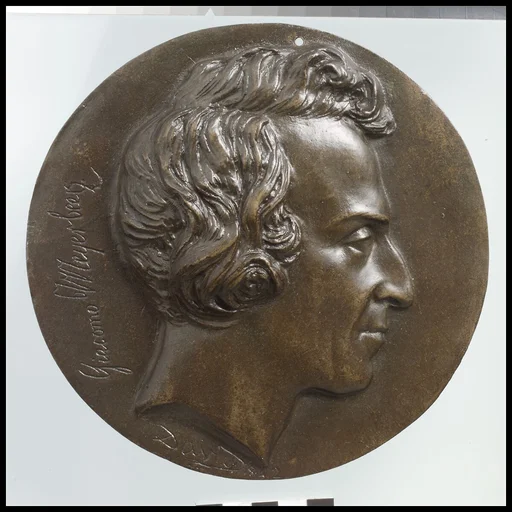
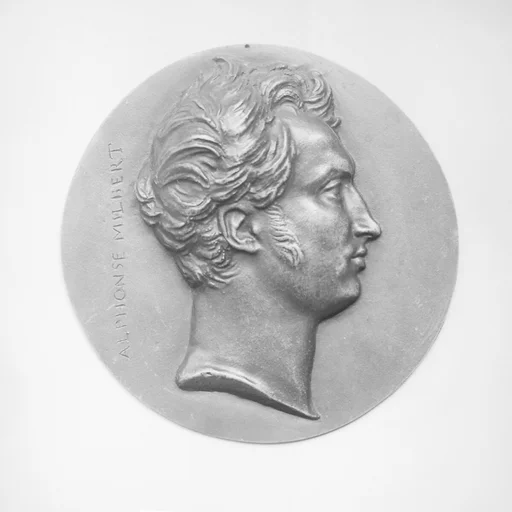
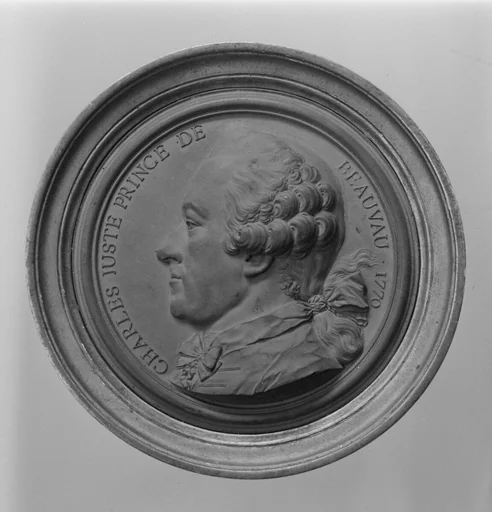
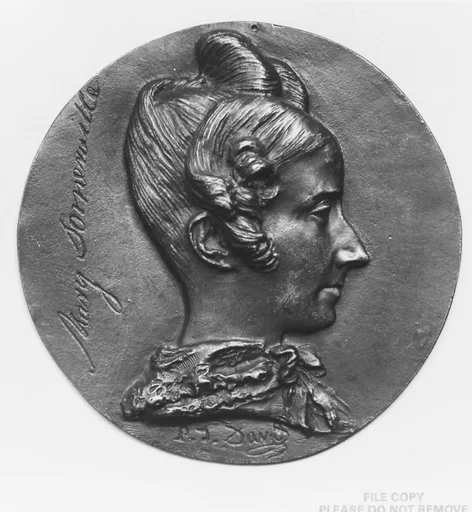
Georges Couthon (1756–1794), Member of the Revolutionary Convention of 1792; one of the Triumvirate with Robespierre and Saint-Just, with whom he was guillotined
Pierre Jean David d'Angers|Eck et Durand
19th century · Bronze, cast - single · European Sculpture and Decorative Arts
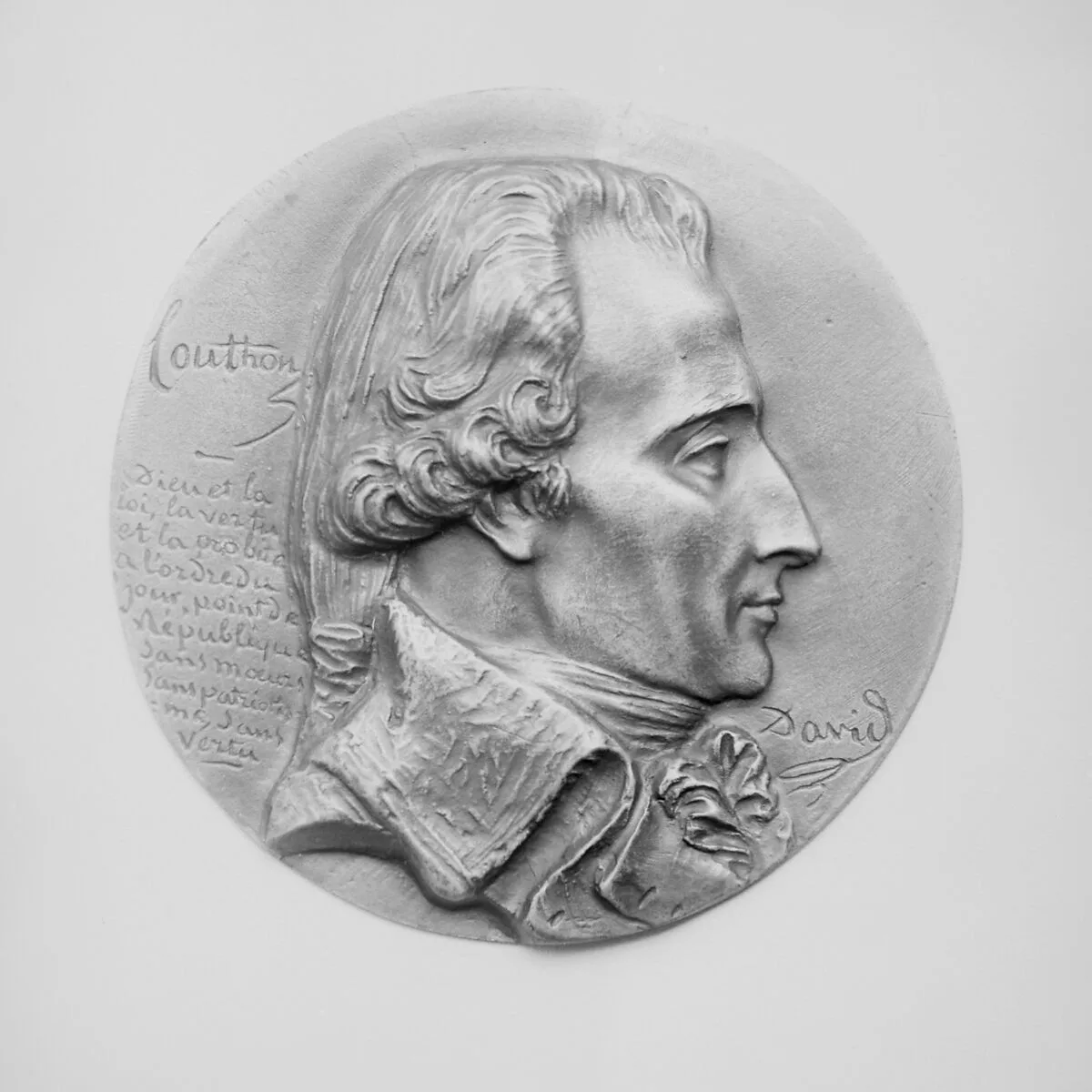
Pierre-Jean David d’Angers was the most prolific and one of the most important French sculptors of the first half of the nineteenth century. Throughout his almost fifty-year career (1819–1856) David remained true to his conviction that sculptural monuments dedicated to the achievements of great men and women most permanently and vividly express the greatness of a people. He continuously sought commissions for monuments portraying historical and contemporary figures whom he admired in order to commit their contributions to posterity. His most famous public commission, the figurative pediment of the Pantheon in Paris (1830–1837), which commemorates great men and was dedicated by a grateful nation, exemplifies these life-long principles. David d’Angers extended his definition of public monuments to include portrait medallions. In the 1820s he dedicated himself to a personal campaign of creating contemporary and retrospective medallic portraits of illustrious sitters. By the end of his life David had executed almost five-hundred portrait medallions, frequently travelling great distances to model his sitters from life. The medallions most often were not commissioned. David himself chose whom he deemed worthy of inclusion into his medallic pantheon. David also did not profit from the portraits. He generally delivered his wax models to professional founders for casting and dissemination through sale.
- Artist
- Pierre Jean David d'Angers|Eck et Durand
- Date
- 19th century
- Medium
- Bronze, cast - single
- Culture
- French
- Department
- European Sculpture and Decorative Arts
- Credit line
- Gift of Samuel P. Avery, 1898