Mask
Unknown
1912 · plaster · Costume Institute
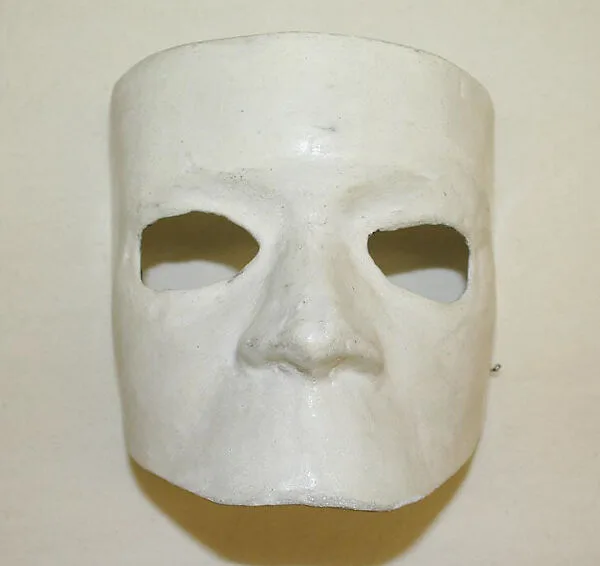
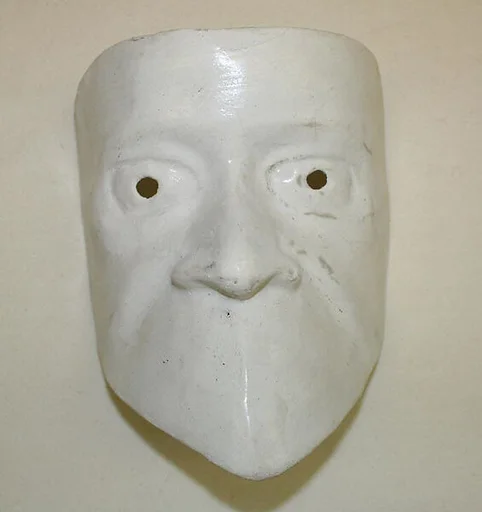
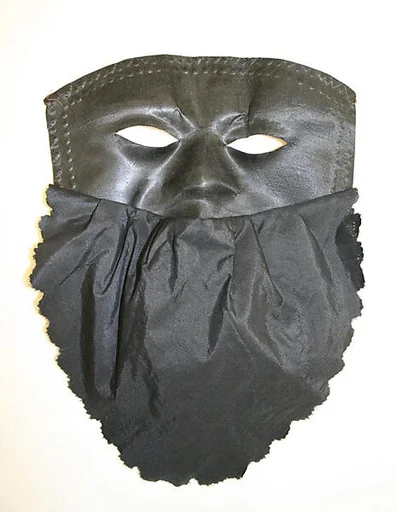
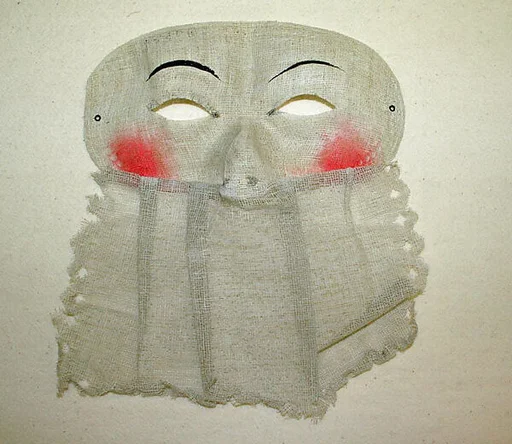
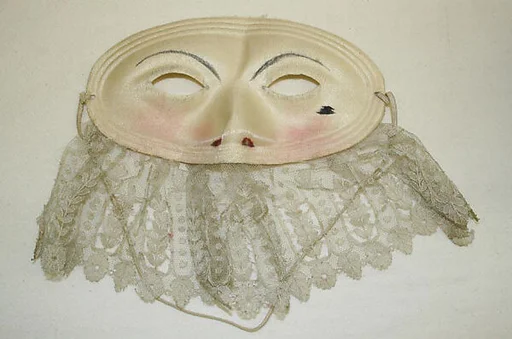
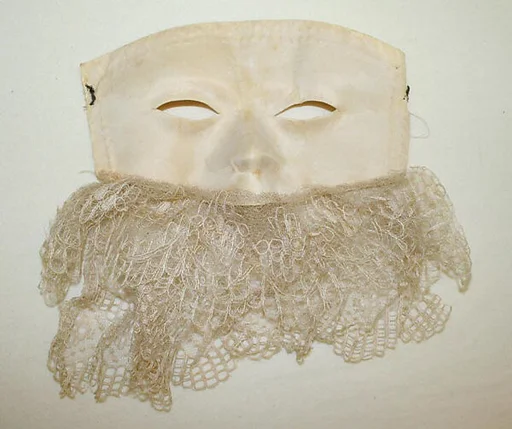
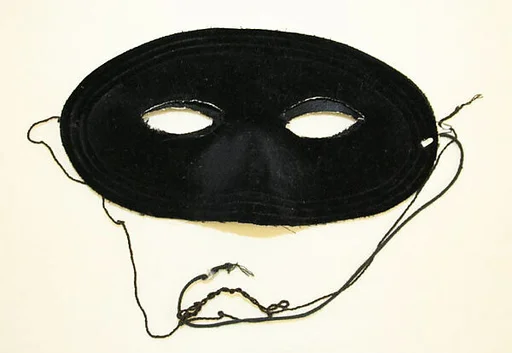
Eighteenth-century Venetians devised a masquerade costume that was uniquely their fashion. It consisted of a black taffeta hood edged with a wide band of lace and called a tabarro if worn by a gentleman and a tabarrino if worn by a lady. A pasteboard fancy-dress mask, modeled on the money masks used by the actors of the Commedia dell’Arte, was worn with this hood. The masks, or bautas, were worn by both sexes. Black oval masks called morettas were also used by ladies as a disguise. These resembled the complexion masks that women had worn out of doors in the seventeenth century. Since the bauta or moretta covered half the face, the wearer enjoyed a large measure of anonymity which allowed him or her to talk confidentially or to act indiscreetly. One need only remember the exploits of Casanova to imagine the many uses of the disguise. The Venetian Council of Ten, however, restricted the wearing of this costume to the period between the first Sunday in October and the beginning of Lent, and to special holidays like the day of the election of a doge. These occasions, and the masquerades worn, are amply recorded in the contemporary paintings of Longhi and Tiepolo.
- Artist
- Unknown
- Date
- 1912
- Medium
- plaster
- Culture
- Italian
- Department
- Costume Institute
- Credit line
- Gift of Mrs. DeWitt Clinton Cohen, 1943