土偶|Dogū (Clay Figurine)
Unknown
Date unknown · Earthenware · Asian Art
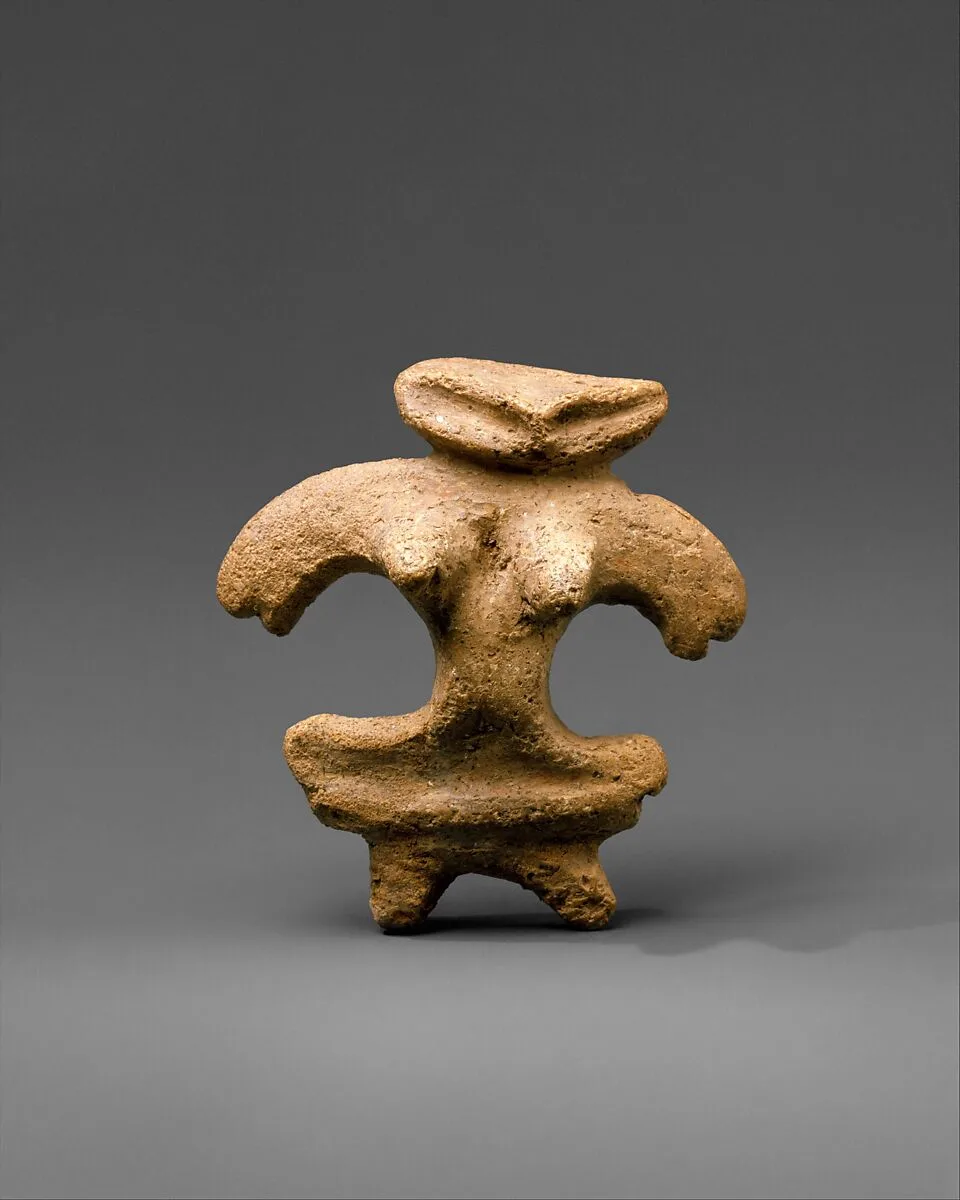
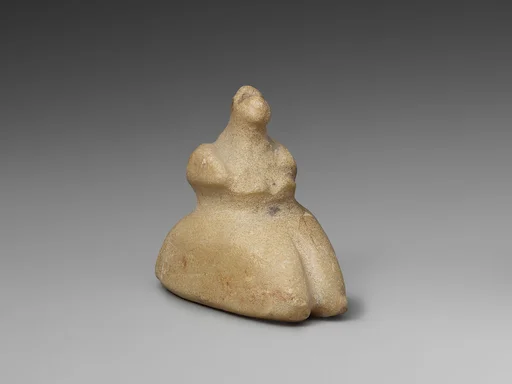
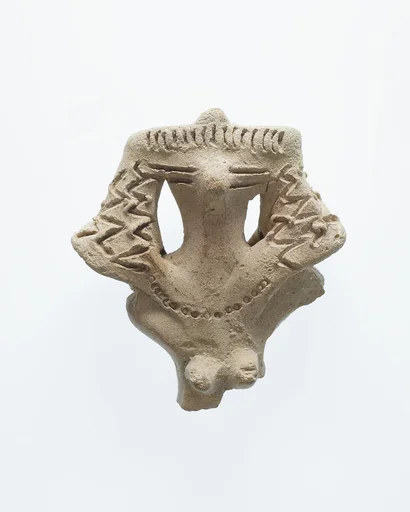
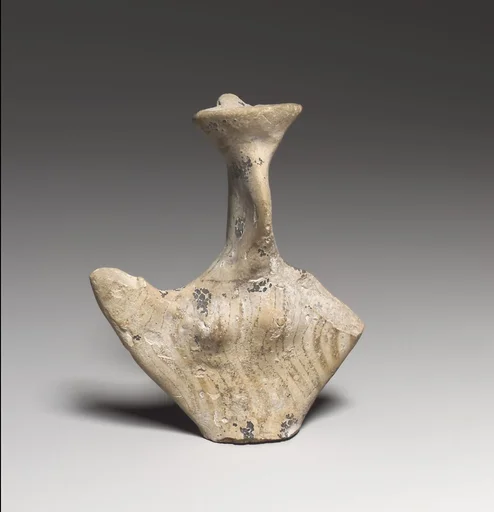
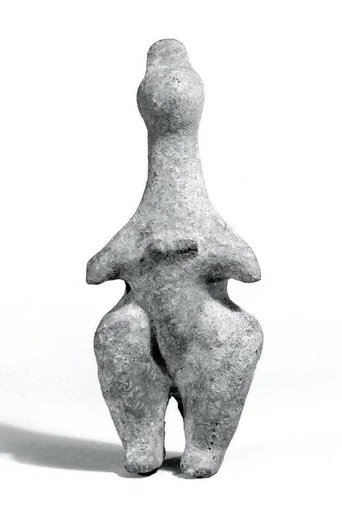
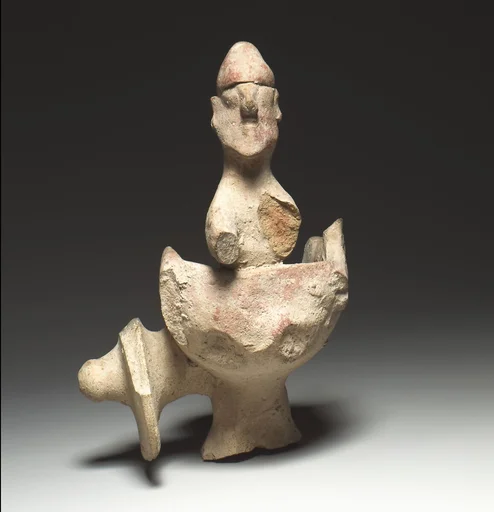
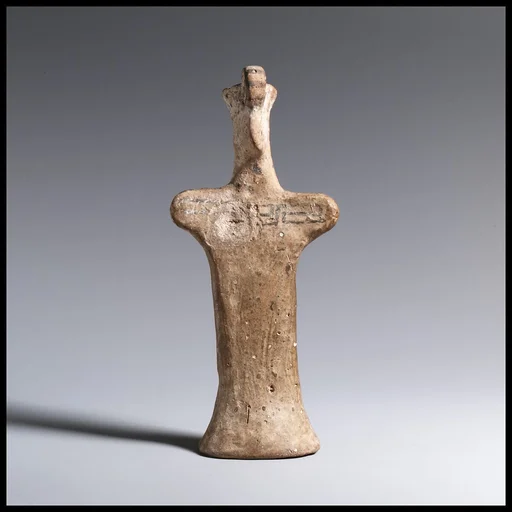
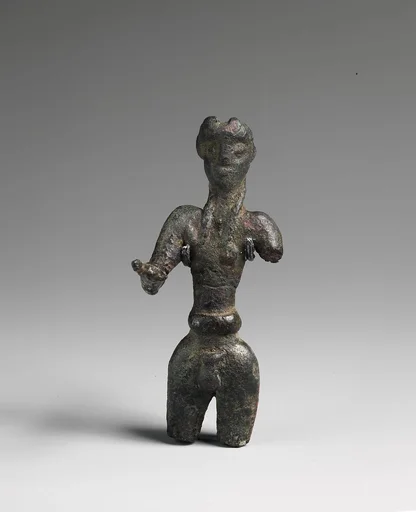
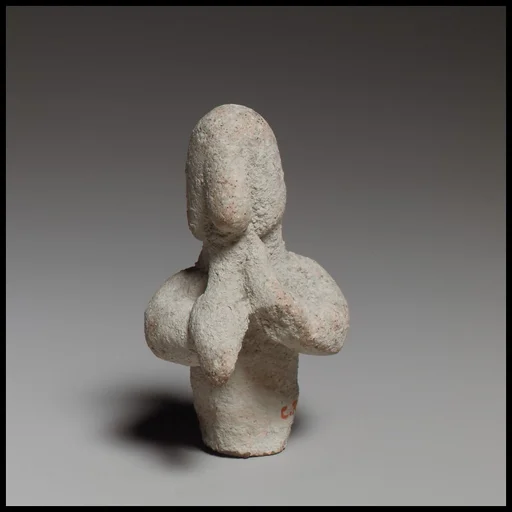
Clay figurines (dogū) of humans and animals were made throughout the Jōmon period, particularly during the latter half, and establish the beginnings of Japan’s sculptural tradition. The largest percentage of these figures, including this statuette from northern Honshū, comprises highly stylized females with enlarged breasts, hips, and stomachs presumed to have been fertility symbols. Because some of these figurines appear to have been broken intentionally, it has been hypothesized that they were used in rituals meant to cure physical ailments. It seems that once the affliction was ceremonially transferred to the figure, the clay image was discarded. This speculation would explain why most dogū are found scattered around or in refuse heaps rather than in graves
- Artist
- Unknown
- Date
- Date unknown
- Medium
- Earthenware
- Culture
- Japan
- Department
- Asian Art
- Credit line
- Gift of Mr. and Mrs. Jerome Koizim, 1978