Untitled
Unknown
6th–7th century · Stoneware with natural ash glaze and incised decoration (Sue ware) · Asian Art
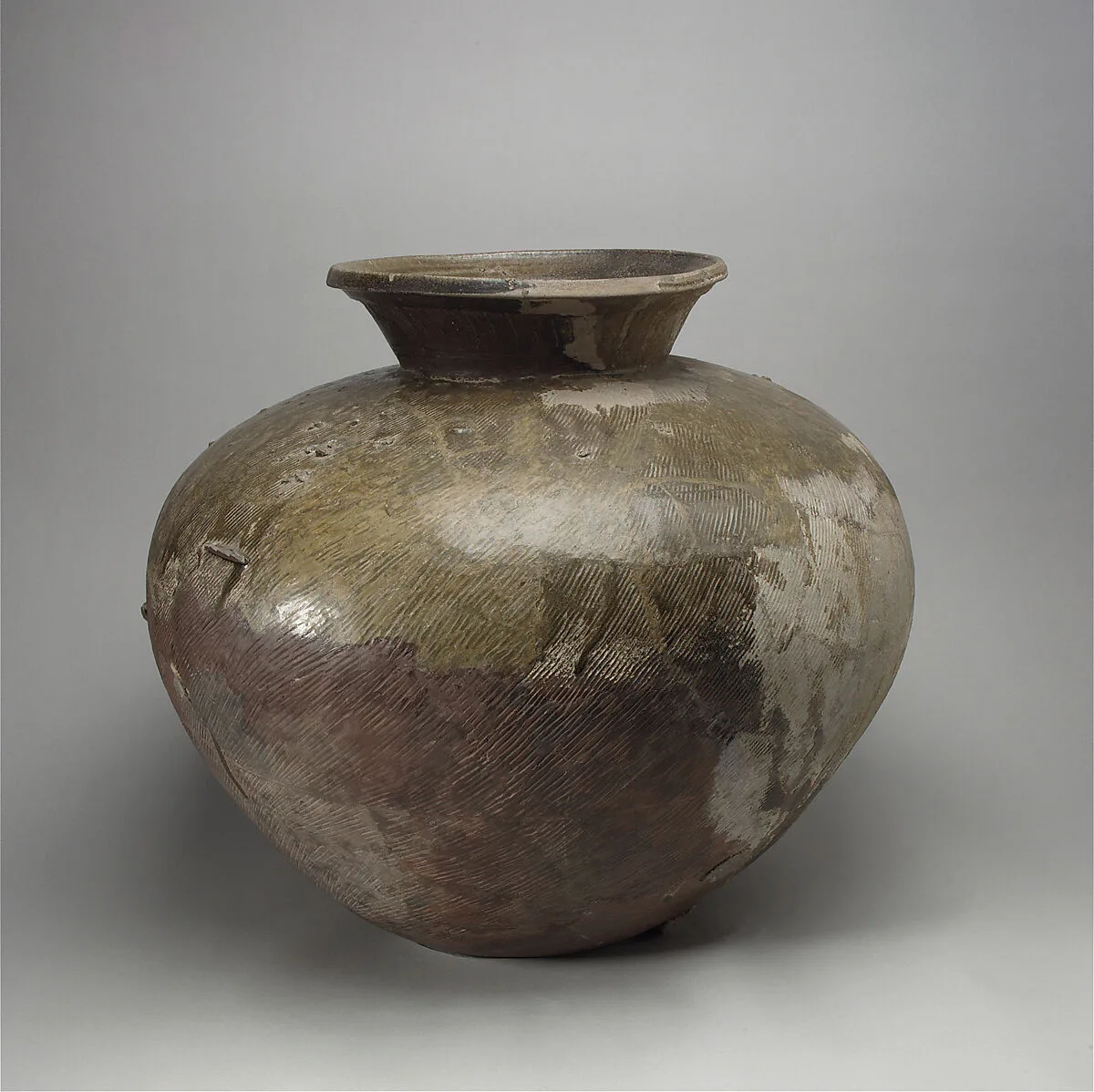
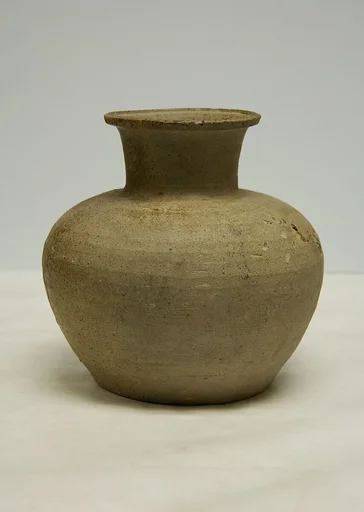
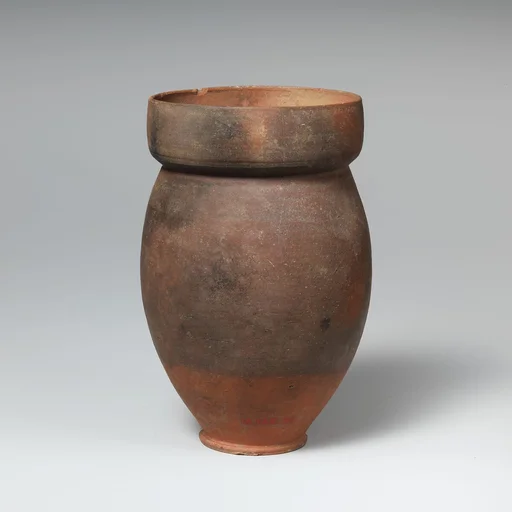
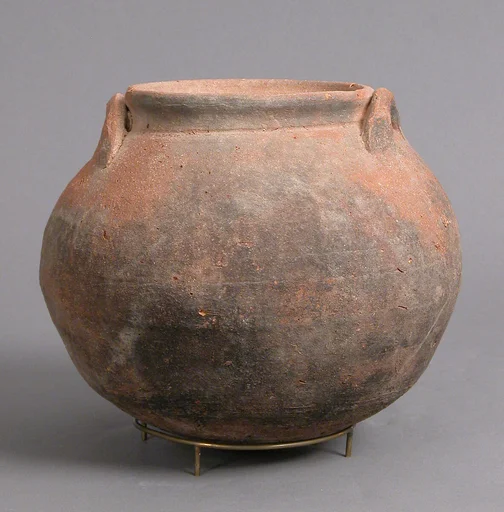
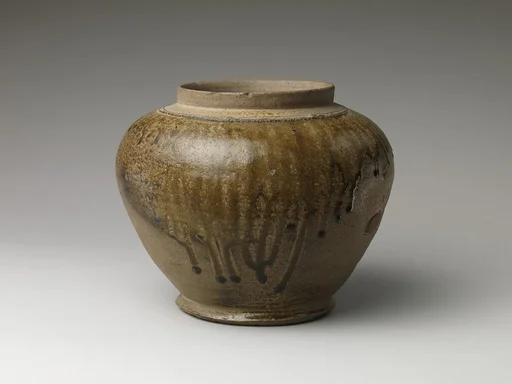
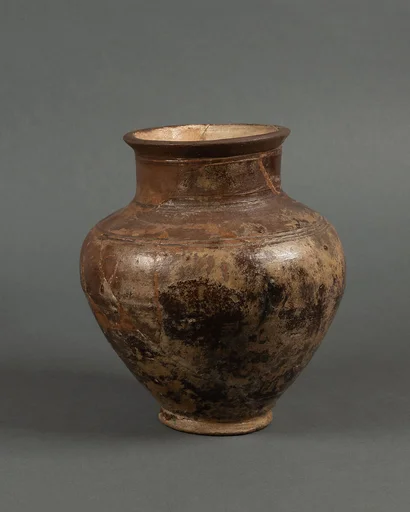
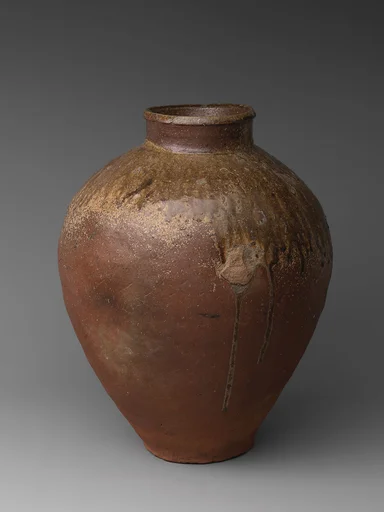
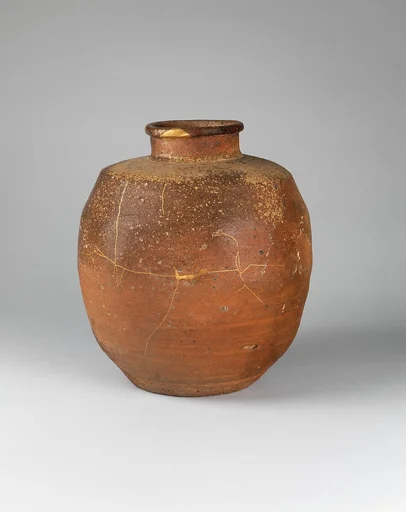
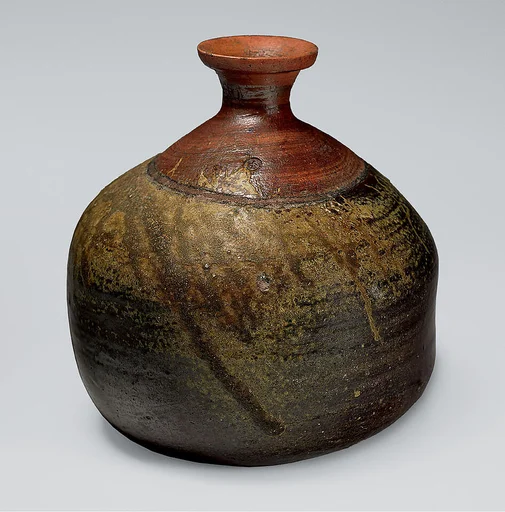
This jar is an example of the type of stoneware containers and stands known as Sue ware, produced from the middle of the fifth until the fourteenth century. Because the word sue means offering, it is presumed that they were originally made for ritual use. Early examples of Sue ware are typically found in tombs, while later articles were also made for use in Buddhist temples. This massive jar is striking in its size, dramatic contour, and the appearance of the mottled greenish glaze that unevenly coats the mouth and shoulders. The glaze, produced accidentally when ash and embers from burning logs settled on the objects during firing, drips down the sides of the jar, freezing the process of its formation. The rough look of the vessel's surface is accentuated by the pattern of incised lines and cord markings that cover it. In later centuries, ceramic objects such as this jar were highly prized for their irregular profile and rustic appearance, because it was felt that these characteristics conveyed a one-of-a-kind quality and captured the energy and spontaneity of nature.
- Artist
- Unknown
- Date
- 6th–7th century
- Medium
- Stoneware with natural ash glaze and incised decoration (Sue ware)
- Culture
- Japan
- Department
- Asian Art
- Credit line
- The Harry G. C. Packard Collection of Asian Art, Gift of Harry G. C. Packard, and Purchase, Fletcher, Rogers, Harris Brisbane Dick, and Louis V. Bell Funds, Joseph Pulitzer Bequest, and The Annenberg Fund Inc. Gift, 1975