Charles-Nicolas, baron Fabvier (1782–1855)
Pierre Jean David d'Angers
1829 · Wax on slate · European Sculpture and Decorative Arts
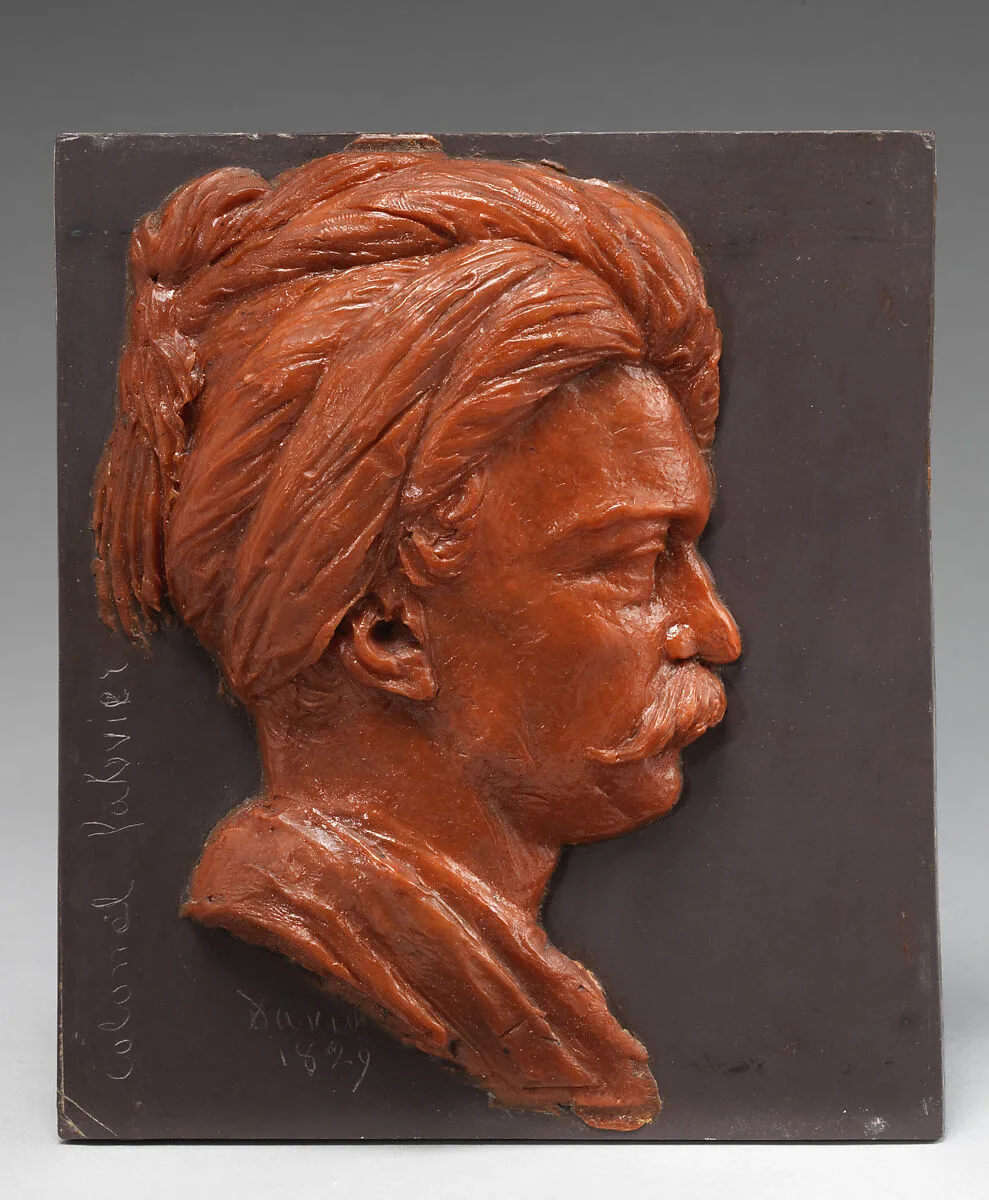
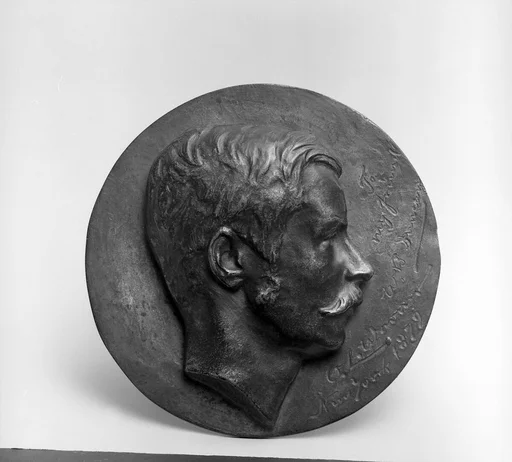
A soldier, revolutionary, ambassador, and statesman, Charles-Nicolas, baron Fabvier was celebrated for his distinguished role in supporting the Greeks in their War of Independence. No French citizen did more to support the revolution that eventually led to the formation of modern Greece. An officer in Napoleon’s army, which he joined in 1804, Fabvier was eventually dismissed from the army ranks as punishment for waging covert campaigns against the Bourbon regime in 1817 and 1823. After fleeing to England, he moved to Greece, where he aided the Greek government by establishing an army to counter the Ottoman forces. He became fluent in Greek and wore the foustanella, or pleated kilt, worn by Greek generals. His greatest victory was the defense of the Acropolis (1826), a battle which lasted four months and marked a decisive turning point in the war. David d’Angers, admiring Fabvier’s conviction as a revolutionary and French Philhellene, modeled this portrait from wax in 1829, the year Fabvier returned to Paris to participate in the July Revolution. The quickly realized sketch is a modello for a medallion (98.7.8), also in The Met’s collection. A direct record of David’s swift and confident mark-making, the modello provides extraordinary insight into the sculptor’s creative practice. He generally delivered his wax models to professional founders for bronze casting and wide dissemination through sale.
- Artist
- Pierre Jean David d'Angers
- Date
- 1829
- Medium
- Wax on slate
- Culture
- French
- Department
- European Sculpture and Decorative Arts
- Credit line
- Purchase, Frances Beatty and Allen Adler, Darcy Bradbury and Eric Seiler, Mark Fisch, and Daniel Katz Limited Gifts, in memory of Matthew Rutenberg, 2021