Untitled
Unknown
early 20th century · Indigo-dyed cotton (sashiko), ink · Asian Art
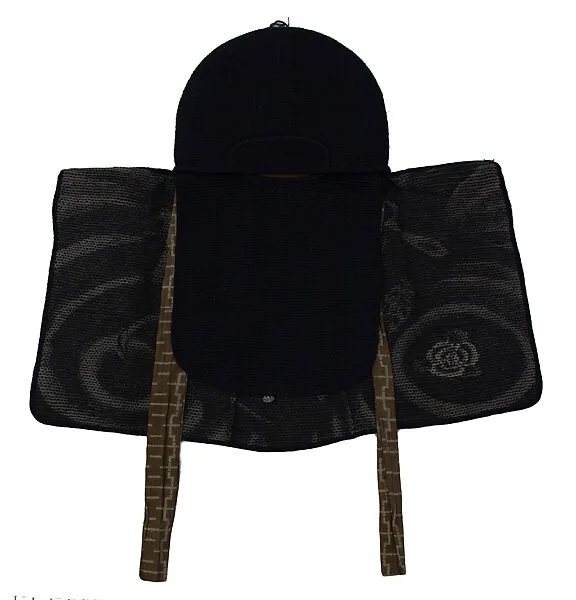
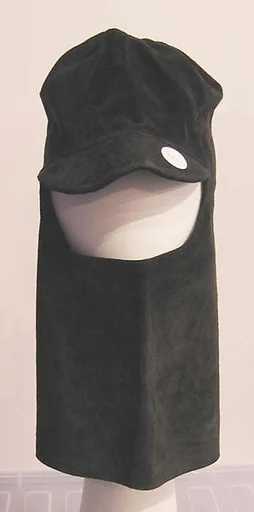
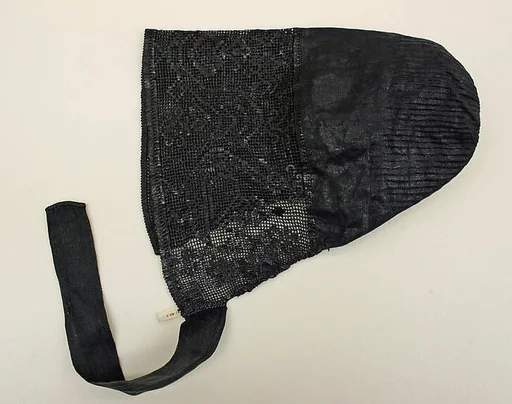
Traditional Japanese houses were made of wood, bamboo, and paper, and in crowded cities like the capital Edo (present day Tokyo), the houses were built with little or no space in between which made them prone to fires. Over the centuries Edo was ravaged by a series of great and devastating fires. The citizens called the fires “Edo no hana” or “flowers of Edo,” most of which broke out during the dry winter season when people heated their homes with charcoal. Edo (1615–1868) and Meiji (1868–1912) period Japanese firefighters were equipped with heavy, multi-layer indigo-dyed cotton (sashiko) jackets (hanten), sock-like footwear, gloves, trousers, and hats, such as this work, for their protection. The outfit was soaked in water before the firemen started their mission. The garments are typically decorated with mythical beings, heroes, or dragons, with symbols connected to water and bravery. Here, the part of the cap covering the top of the head is ornamented with a cloud-like motif, while the back flap bears the auspicious and dramatic design of clouds and a dragon—both symbols of water and rain.
- Artist
- Unknown
- Date
- early 20th century
- Medium
- Indigo-dyed cotton (sashiko), ink
- Culture
- Japan
- Department
- Asian Art
- Credit line
- Josephine Lois Berger-Nadler Endowment Fund, 2017