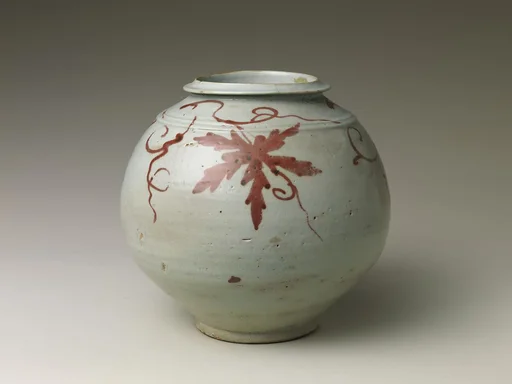
백자 달항아리 조선|白磁壺 朝鮮|Moon jar
Unknown
second half of the 18th century · Porcelain · Asian Art
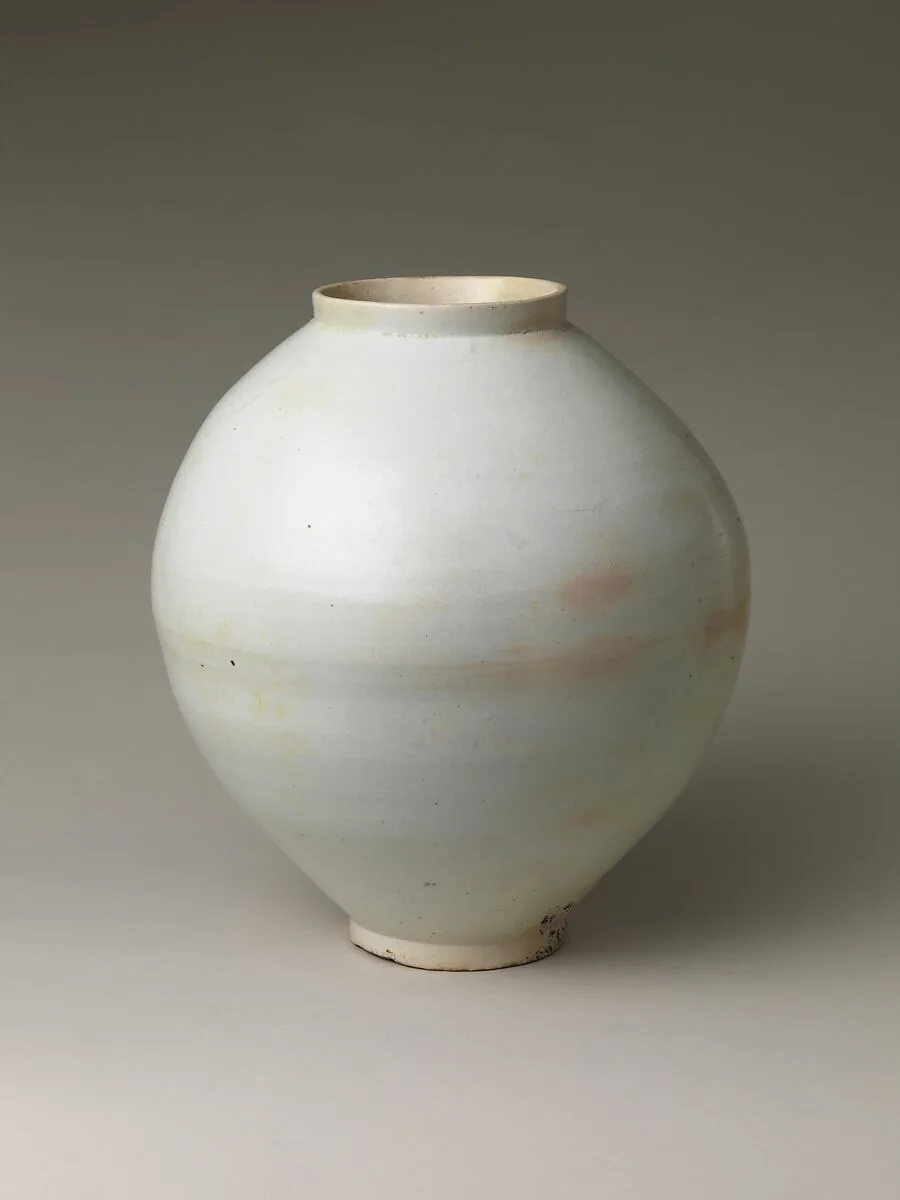
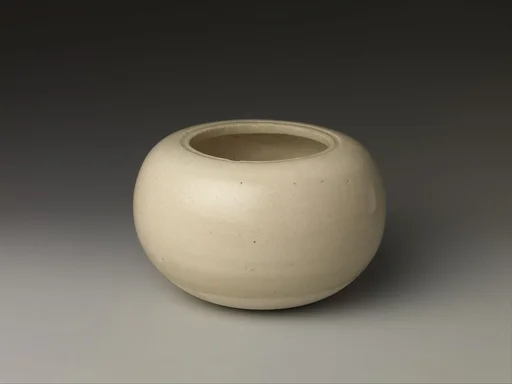
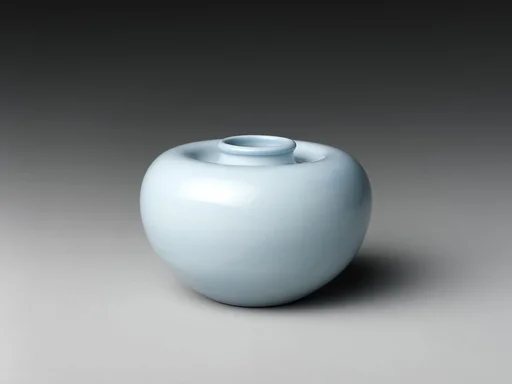
Moon jars have become national icons, inspiring the shape of the 2018 Pyeongchang Winter Olympic cauldron and garnering record-breaking prices at auction. Thus it may be surprising that during the Joseon period these vessels were utilitarian objects, referred to as daeho (literally “big jar”), and fell out of vogue in the 1800s. Rediscovered in the twentieth century and called moon jars for their evocative forms, they are adored by many for unintentional features acquired during firing, such as asymmetry or the final hue. Because moon jars are made by joining two hemispheres, each example has a unique shape.
- Artist
- Unknown
- Date
- second half of the 18th century
- Medium
- Porcelain
- Culture
- Korea
- Department
- Asian Art
- Credit line
- The Harry G. C. Packard Collection of Asian Art, Gift of Harry G. C. Packard, and Purchase, Fletcher, Rogers, Harris Brisbane Dick, and Louis V. Bell Funds, Joseph Pulitzer Bequest, and The Annenberg Fund Inc. Gift, 1975