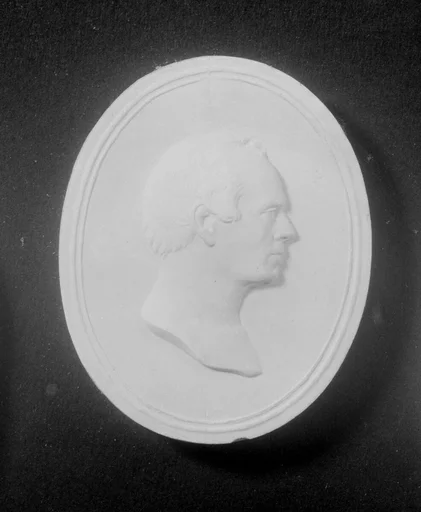
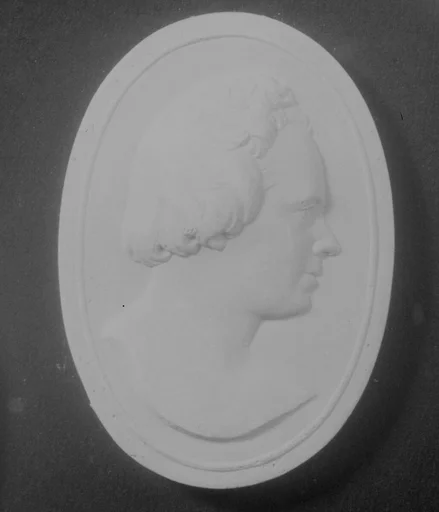
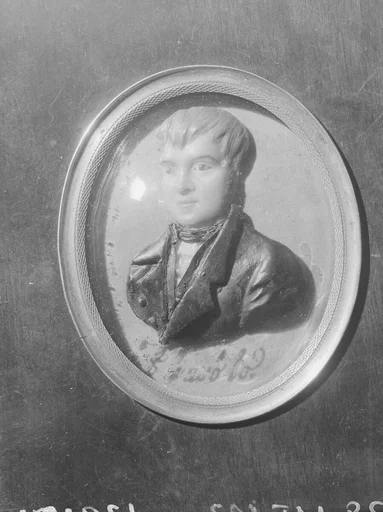
Cameo Portrait of Frederick Marshall
Unknown
ca. 1855 · Queen conch shell, gold · The American Wing
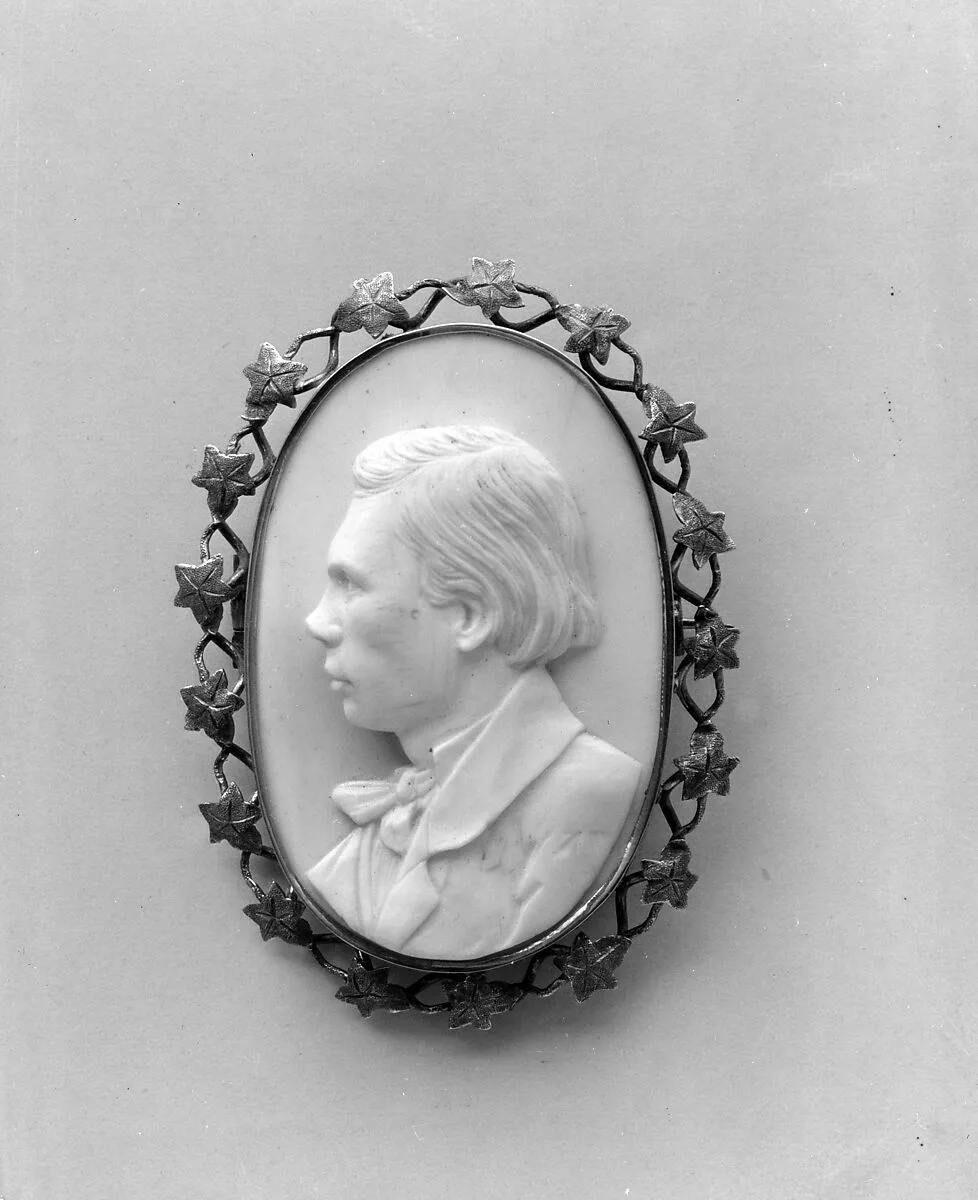
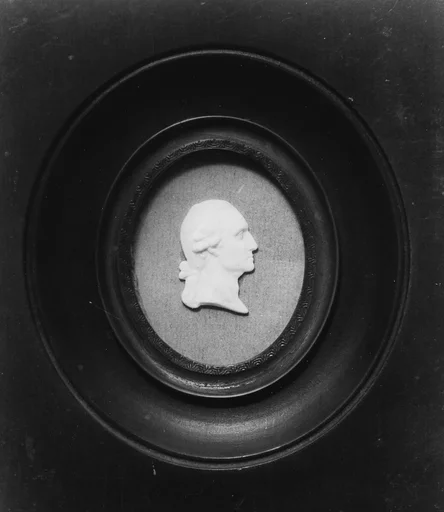
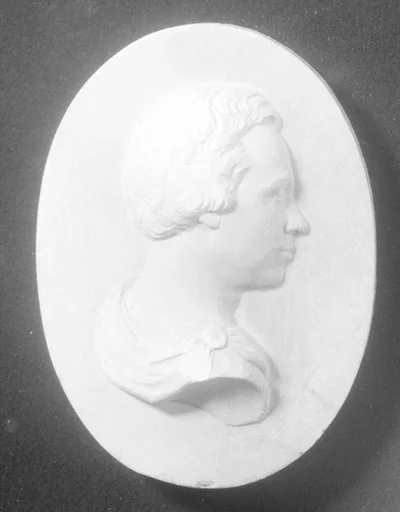
Cameos are small sculptures carved in relief on a hard substance such as stone, coral, glass, or, as here, shell. Commonly, cameos are carved from materials with two or more inherent layers of color, allowing the sculptor to create contrast between the relief figures and background. Hardstone cameos were carved with great skill by lapidaries of the ancient classical world, and the art enjoyed a revival during the nineteenth century, when all things archaeological were in vogue. Though classical scenes and mythological beings were the favorite subject for Victorian cameo consumers and manufacturers, portraits of historic and contemporary persons (e.g. William Shakespeare or Florence Nightingale), as well as commissioned portraits of individuals enjoyed popularity. This portrait cameo brooch was donated to the Metropolitan in 1948 by Frederick Marshall Jr. The cameo is carved out of a queen conch shell and is set in a gold frame in the form of intertwining ivy vines. According to the donor, the portrait depicts his father, Frederick Marshall, and was carved by an unknown Frenchman working in New Orleans.
- Artist
- Unknown
- Date
- ca. 1855
- Medium
- Queen conch shell, gold
- Culture
- American
- Department
- The American Wing
- Credit line
- Gift of Frederick Marshall, 1948