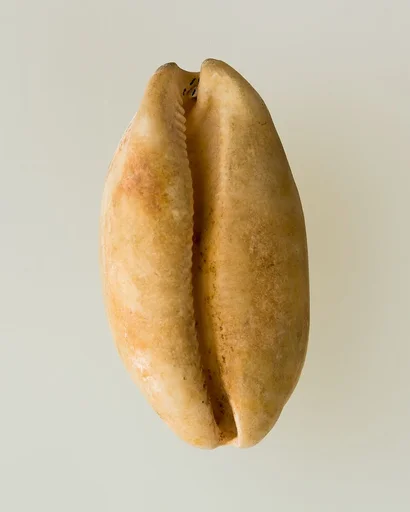
Cowrie shell
Unknown
332–30 BC · Shell · Egyptian Art
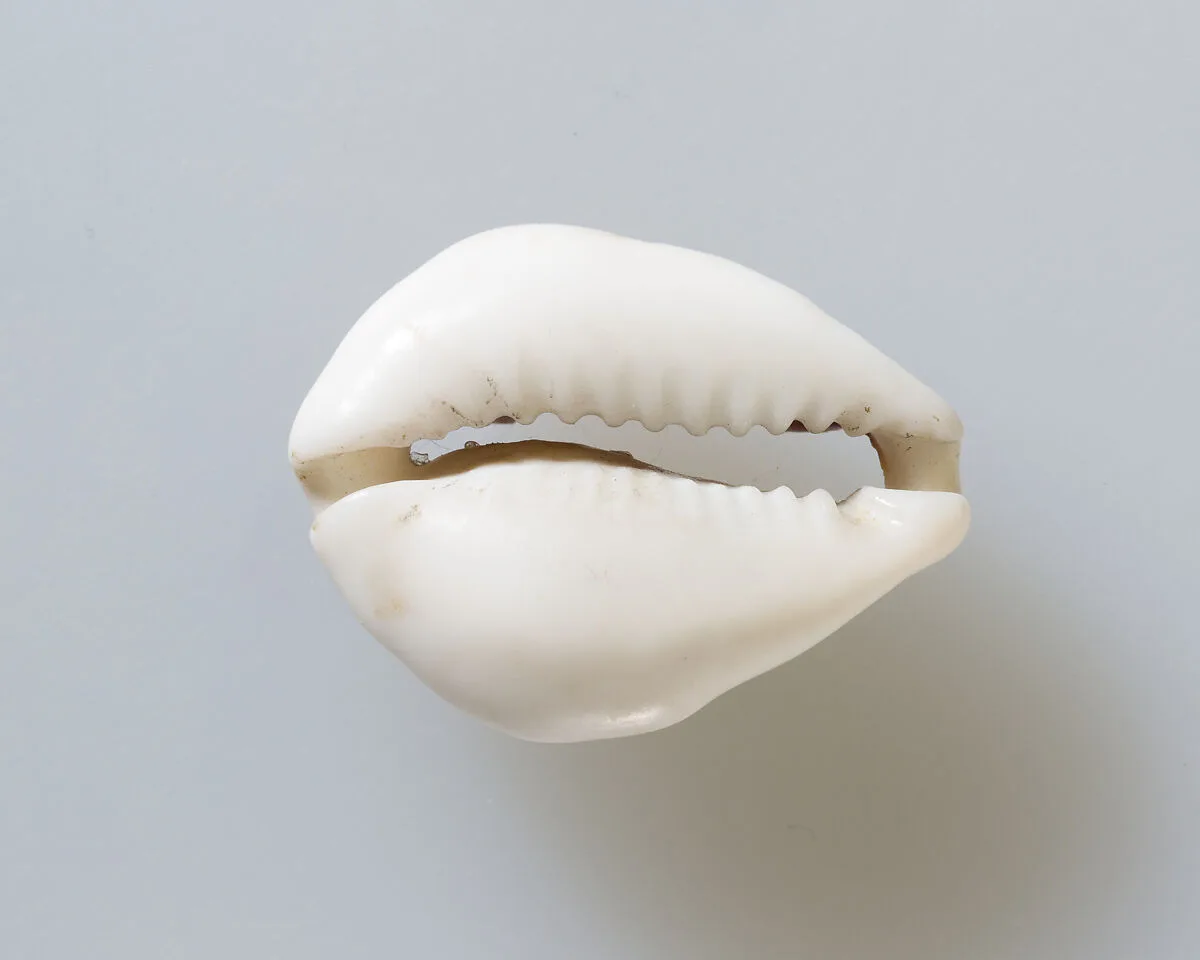
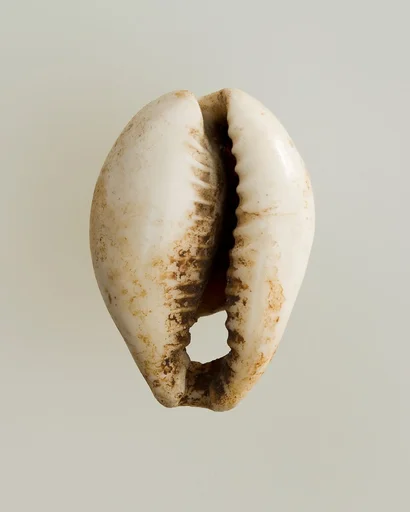
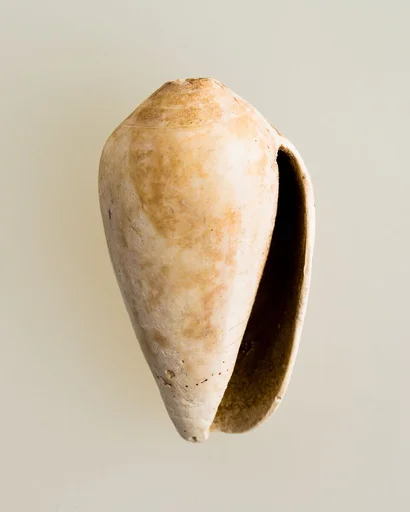
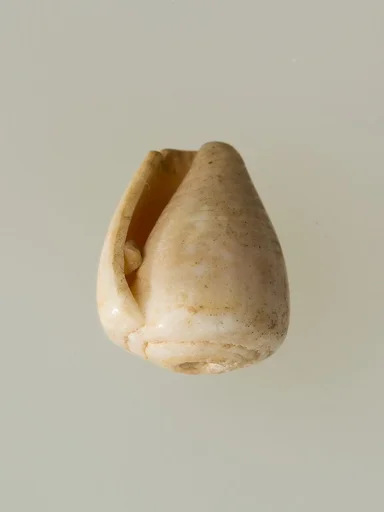
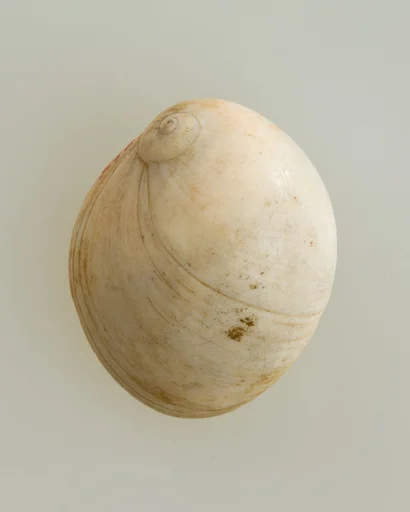
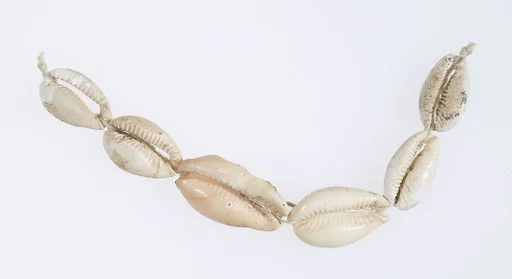
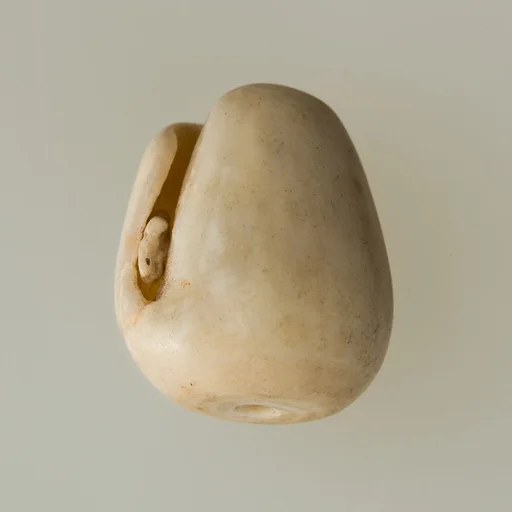
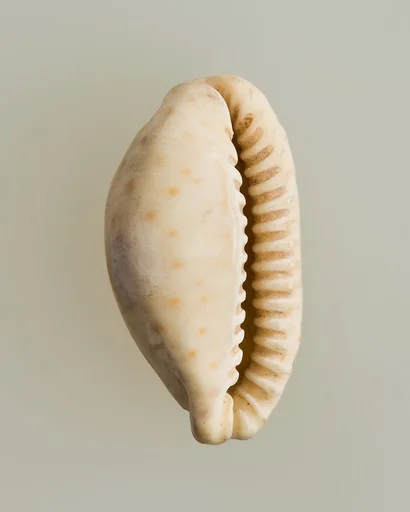
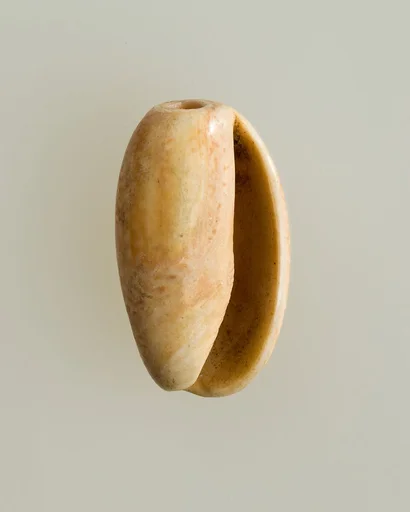
Cowries are known from the very earliest times in Egypt, but this shell - from a Ptolemaic burial at Akhmim - testifies to their continued significance through the millennia. The shell was found next to the head of a male mummy adorned with cartonnage ornaments and inside a wooden coffin. The back of the shell has been ground away, so that the shell can lie flat when strung so possibly it was originally worn as a diadem or necklace. Cowrie shells, originating usually from the Red Sea, were widely valued as amulets in the ancient world. Their resemblance to the female vulva and alternatively to a squinting eye is thought to underlie a magical association with fertility and with protection from the evil eye, respectively. Generally they are known from female burials in Egypt, but they can also accompany males.
- Artist
- Unknown
- Date
- 332–30 BC
- Medium
- Shell
- Department
- Egyptian Art
- Credit line
- Museum Accession