Fecundity Figure
Unknown
360–343 B.C. · Diorite · Egyptian Art
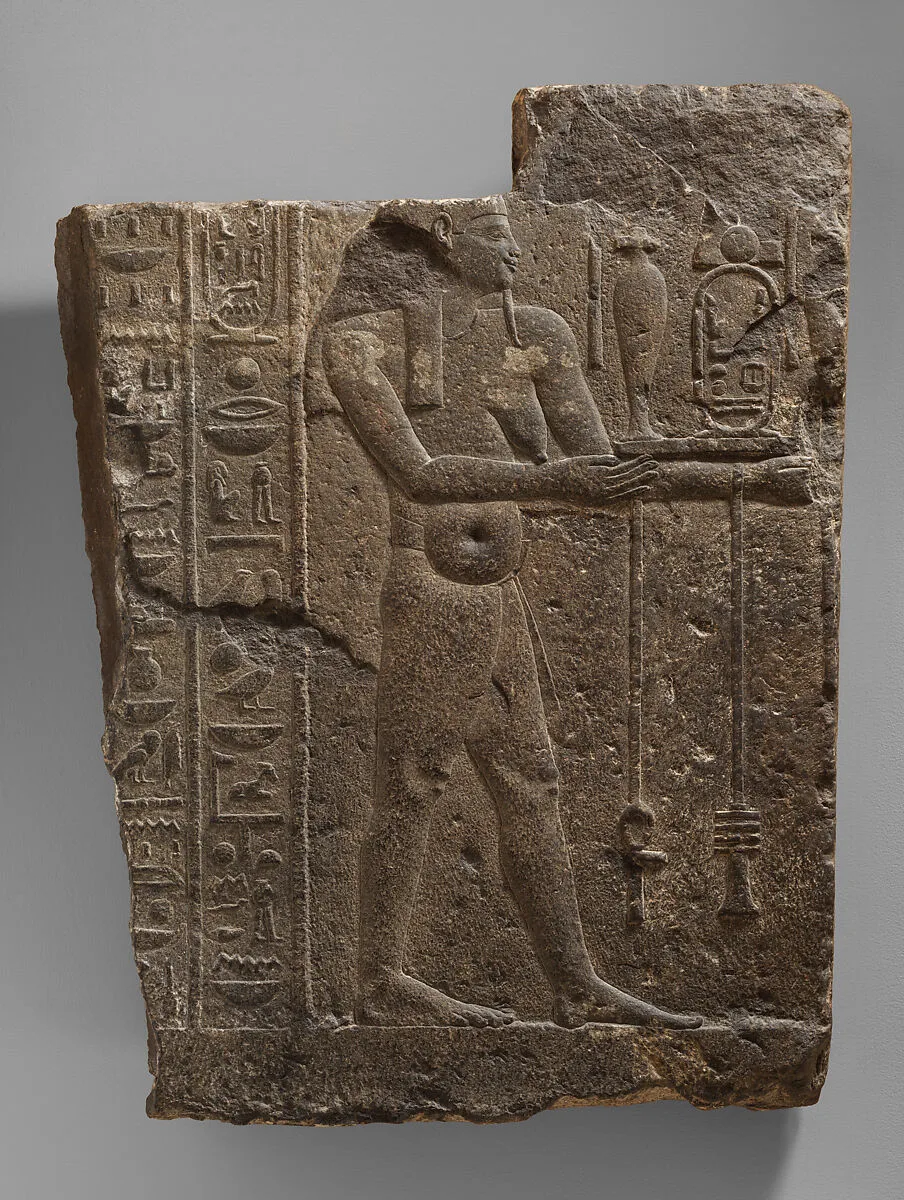
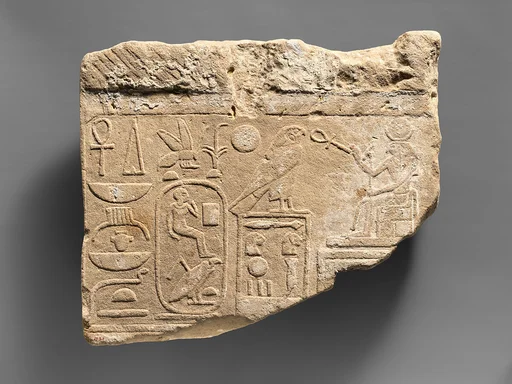
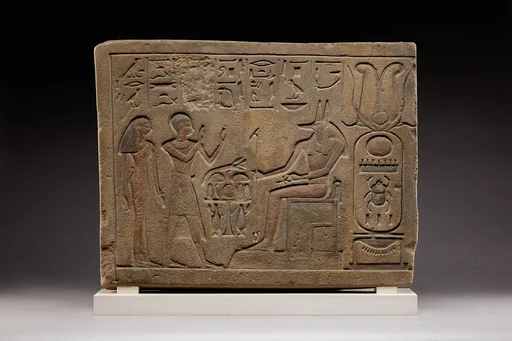
The city of Sebennytos (Sammanud) in the central Delta was the origin place of the kings of Dynasty 30. Remains indicate that they undertook a major temple to the god Onuris-Shu there. After the hiatus of the second Persian invasion, the work was continued by Alexander the Great’s immediate successors in order to identify themselves closely with the native dynasty. The temple was built of hard stone and apparently had granite columns over thirty feet high. Fecundity figures like this one often decorate the lowest register of temple walls, where they represent the fertility of the nomes of Egypt being rendered to the gods. The original scene would have shown a file of fecundity figures in compartments in between the slightly raised bands of inscription. This figure bears one of the names of Nectanebo II on the offering table, and another cartouche of the king appears in the inscription along with the name of Onuris-Shu, lord of Sebennytos. In an unusual touch, the figure’s heel dips below the ground line of the relief.
- Artist
- Unknown
- Date
- 360–343 B.C.
- Medium
- Diorite
- Department
- Egyptian Art
- Credit line
- Rogers Fund, 1912