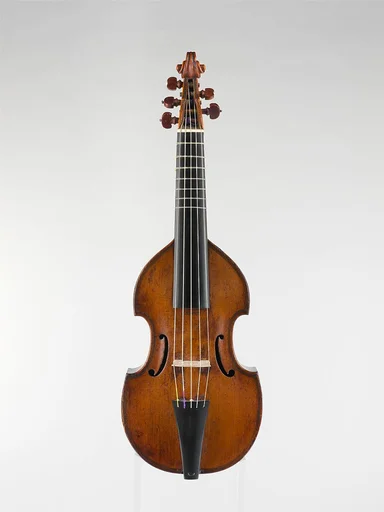
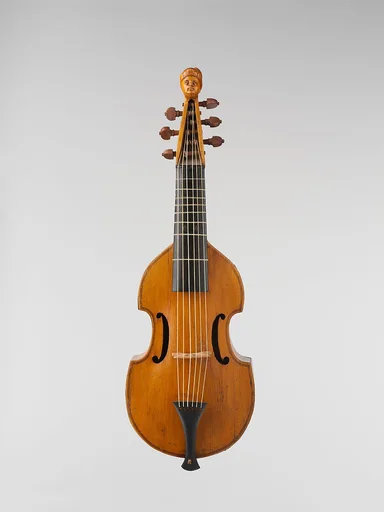
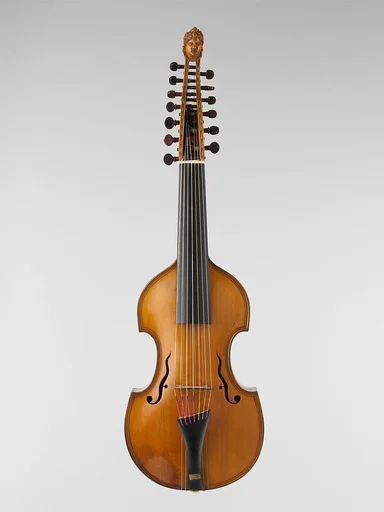
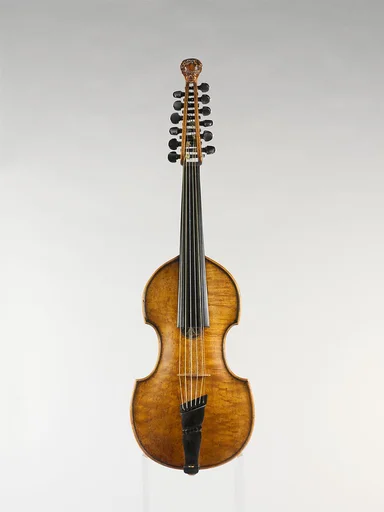
Treble Viol
Jean Ouvrard
1726 · Wood · Musical Instruments
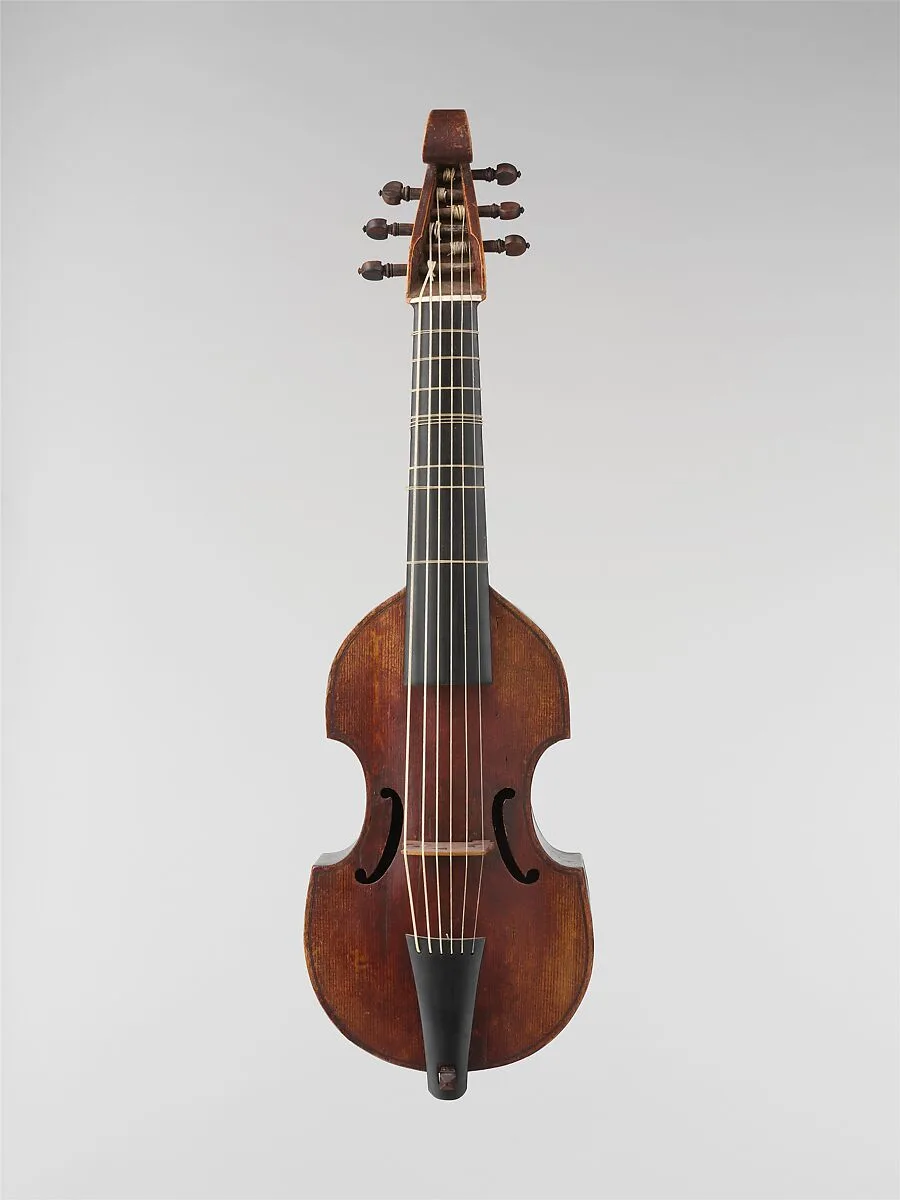
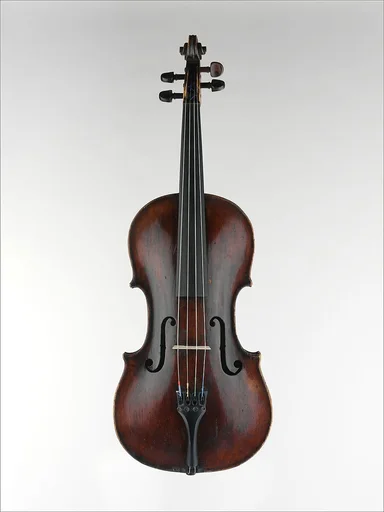
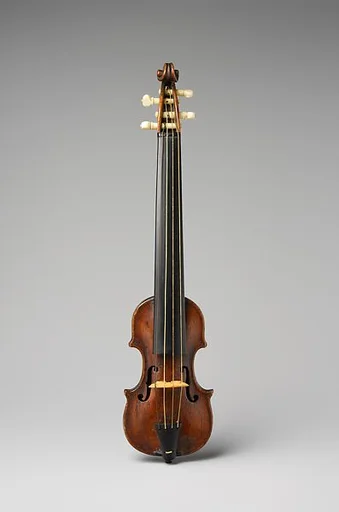
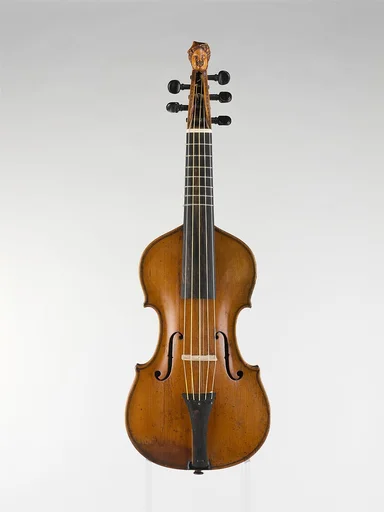
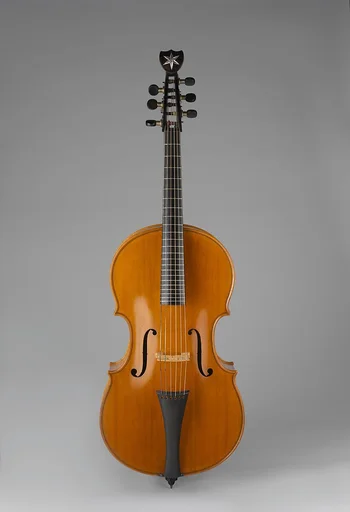
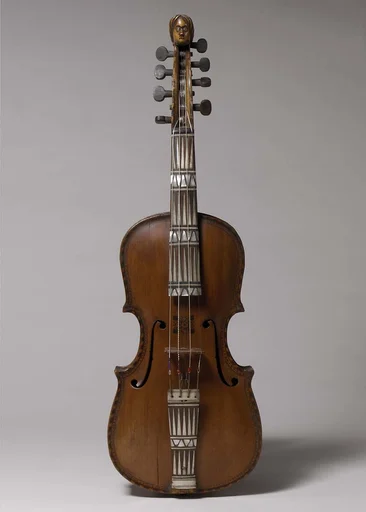
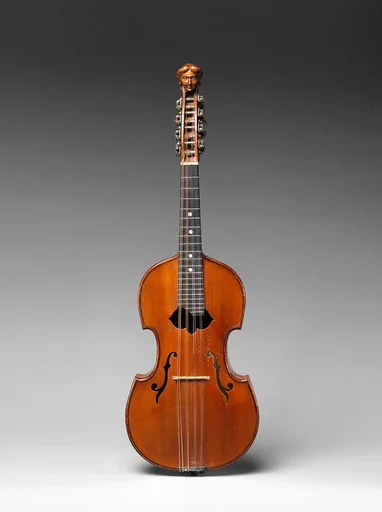
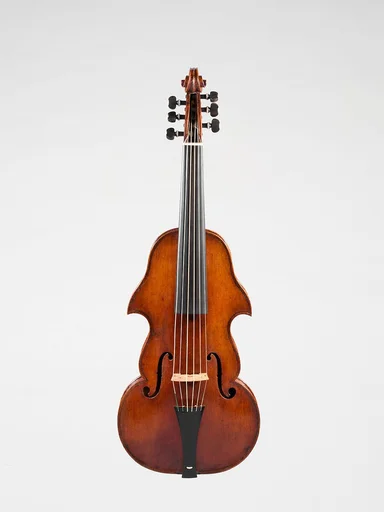
This treble viol retains its original neck, fingerboard, and tailpiece, and is a rare example of a professional musician's instrument in unaltered condition. Viols were the most esteemed bowed instruments of the late Renaissance, and only gradually displaced by the violin family in the eighteenth century. Viols feature flat backs, sloping shoulders, and six or seven strings, all features which distinguish them from members of the violin family. All viols are played in an upright position between the knees, or da gamba ("at the leg"), and the bow is held palm upwards. Their sound is quieter and less brilliant than that of the violin family, yet considered more pleasing to the ear by Renaissance humanists. Chamber music for consorts of four to six viols was composed during the Renaissance and Baroque eras, and solo works for the bass viol were played until nearly the end of the 18th century.
- Artist
- Jean Ouvrard
- Date
- 1726
- Medium
- Wood
- Culture
- French
- Department
- Musical Instruments
- Credit line
- The Crosby Brown Collection of Musical Instruments, 1889