Hexagonal Tile
Unknown
early 13th century · Stonepaste; molded and monochrome glazed · Islamic Art
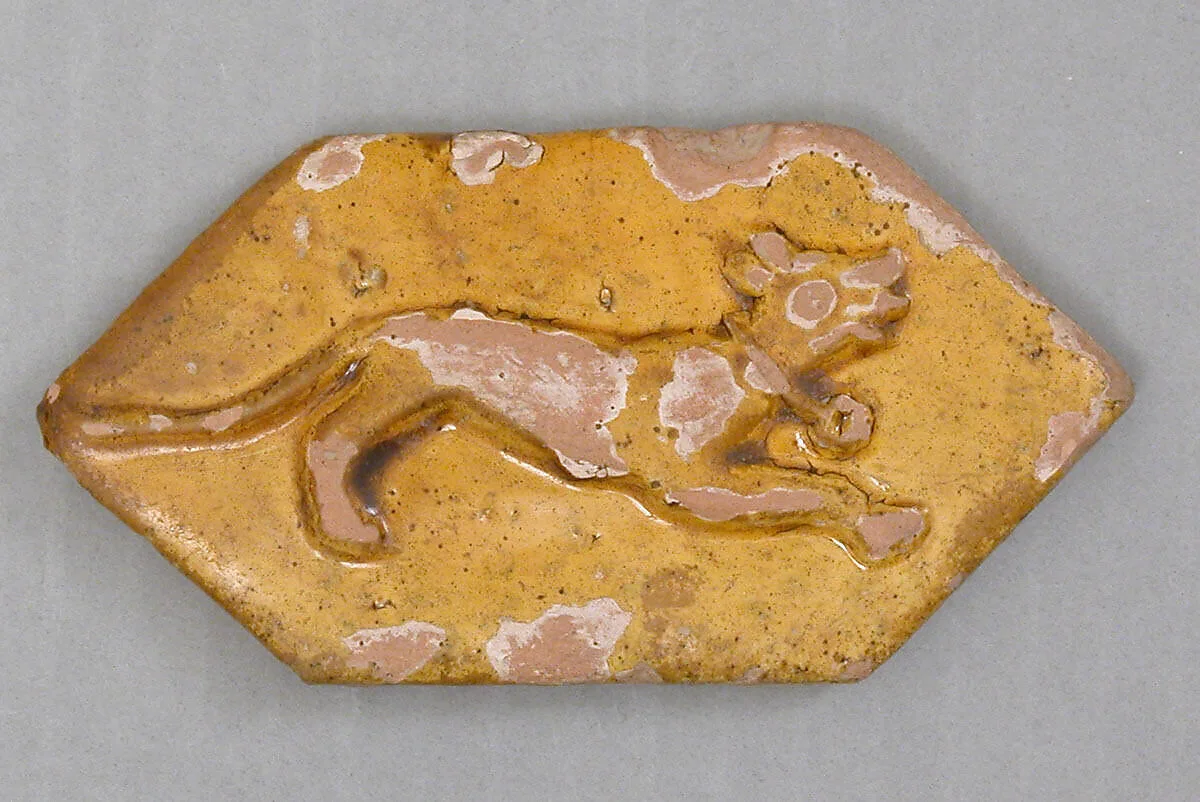
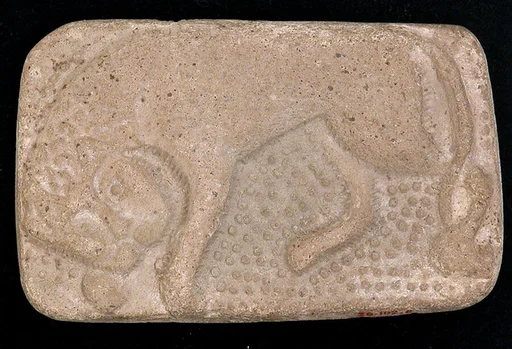
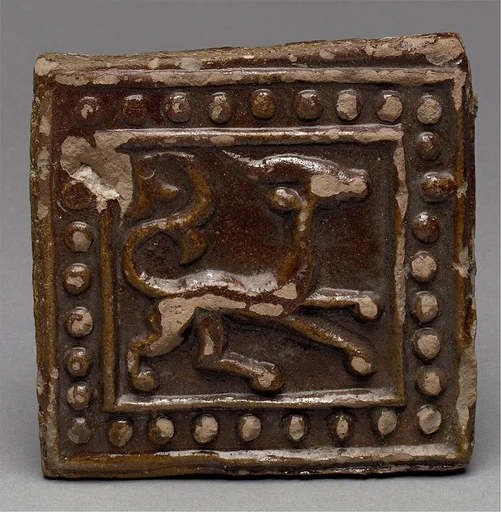
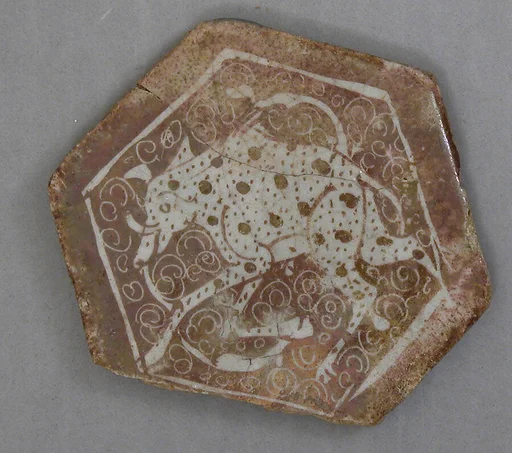
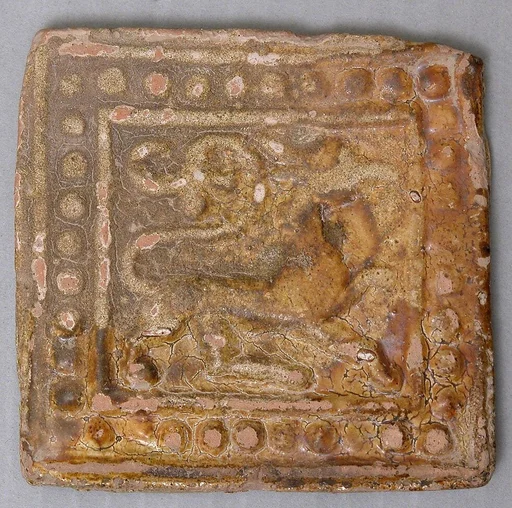
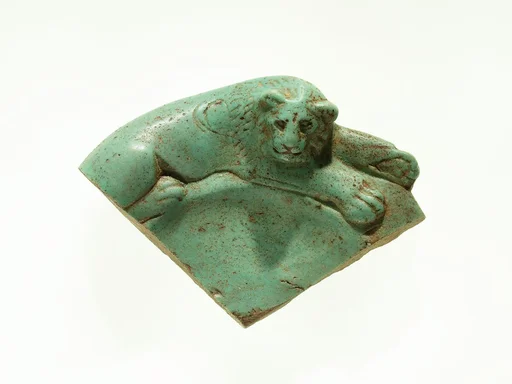
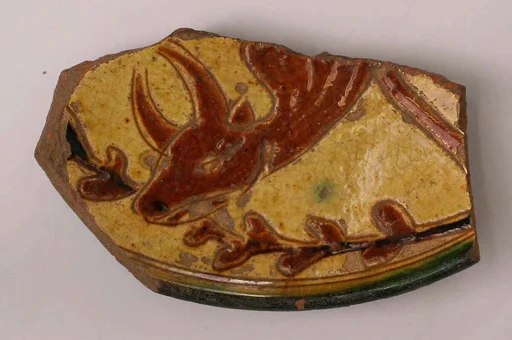
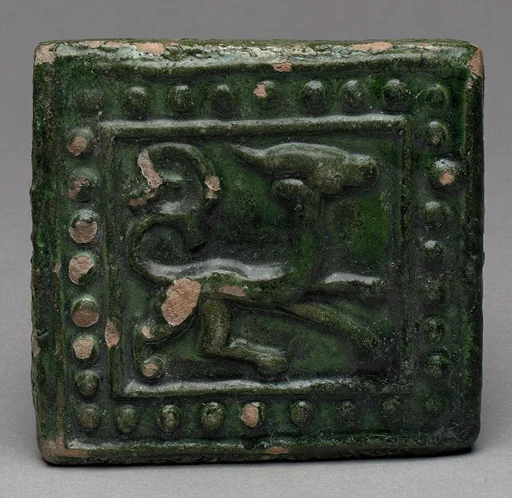
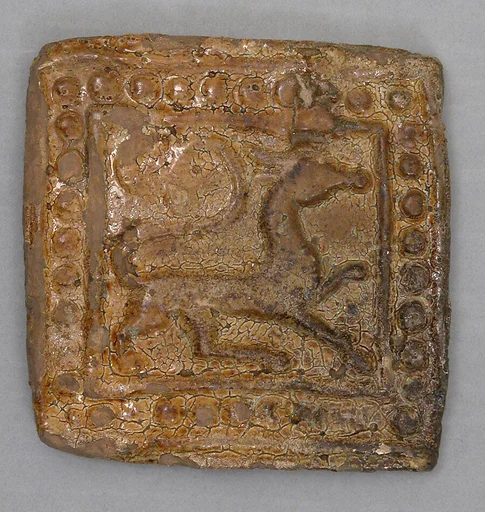
This tile belongs to a unique group of monochrome glazed, molded relief tiles excavated from a palace at Ghazni, in modern Afghanistan. The decoration on this group consists of animals in heraldic poses (as seen here), as well as vegetal scrolls and calligraphy, often surrounded by beaded borders. The excavation stratigraphy dates them to the early thirteenth century, the period of the city’s Ghurid rule. They were probably manufactured in Ghazni especially for the palace. This tile belongs to a series found in Ghazni, the capital of the Ghaznavid dynasty ( 977–1187), in a house destroyed during the Mongol invasion of 1221. Most of the tiles in the series are square, though some are polygonal, and are molded in relief with animals, plants, or, occasionally, inscriptions. Even though these tiles are unique in style, their decoration shows affinities with pre-Islamic motifs from Susa, such as the "pearl" borders and the animals in profile within a frame.
- Artist
- Unknown
- Date
- early 13th century
- Medium
- Stonepaste; molded and monochrome glazed
- Department
- Islamic Art
- Credit line
- Gift of Marjorie Schwarz, in memory of Herbert F. and Dorothy C. Schwarz, 1975