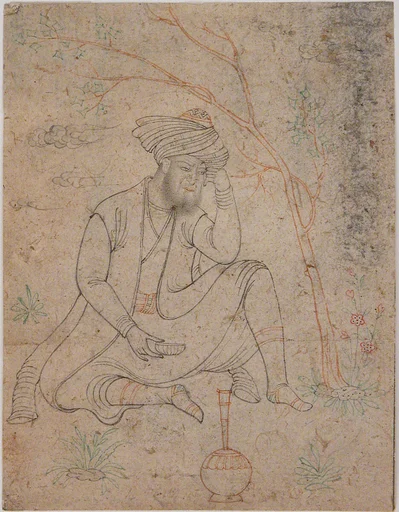
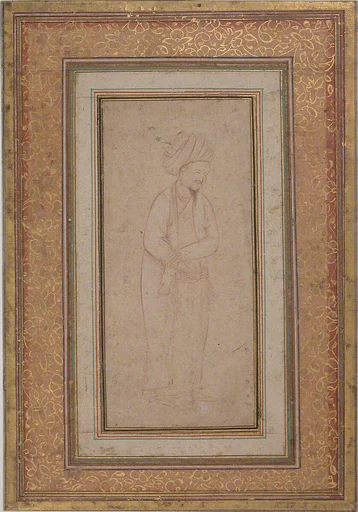
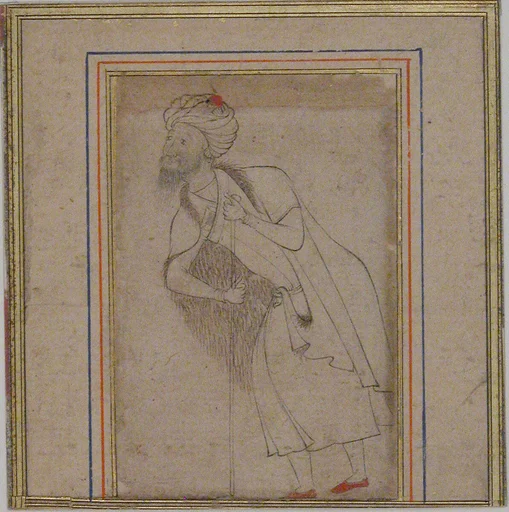
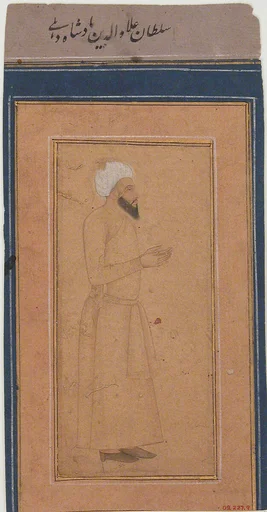
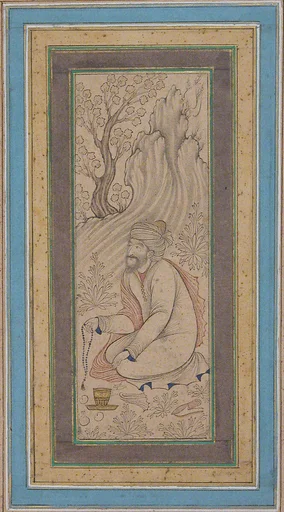
Seated Dervish
Unknown
late 16th century · Ink and watercolor on paper · Islamic Art
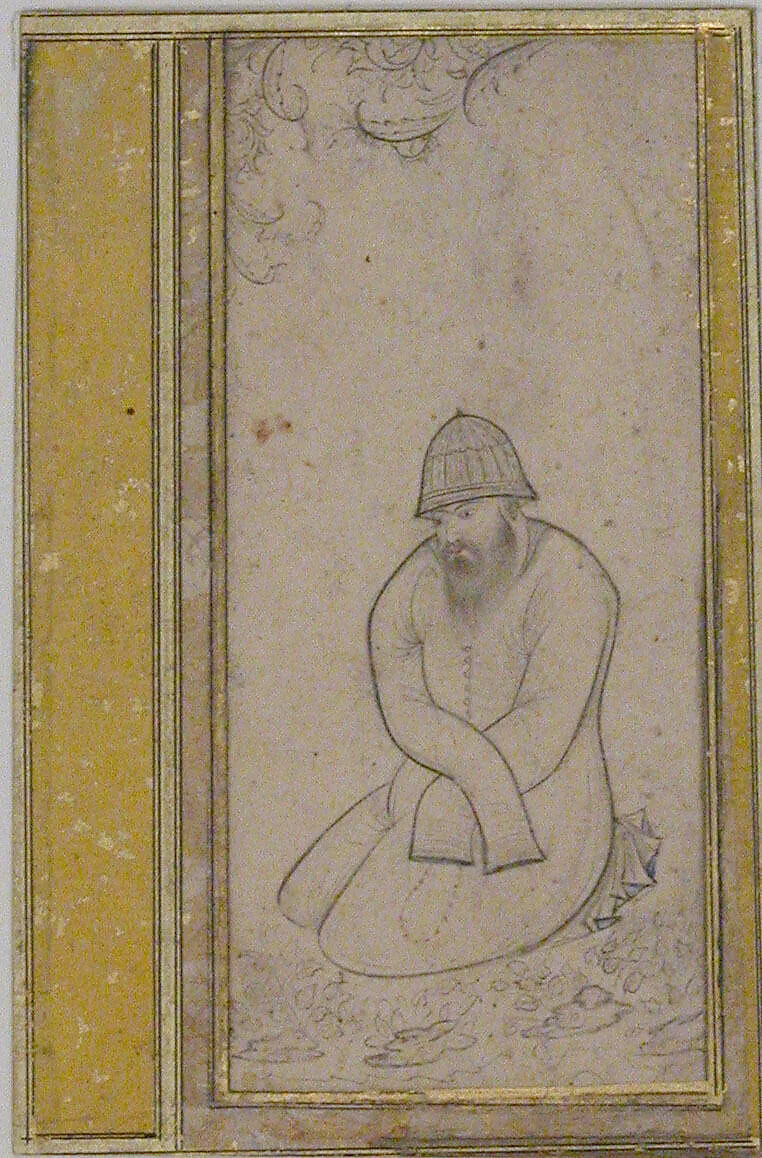
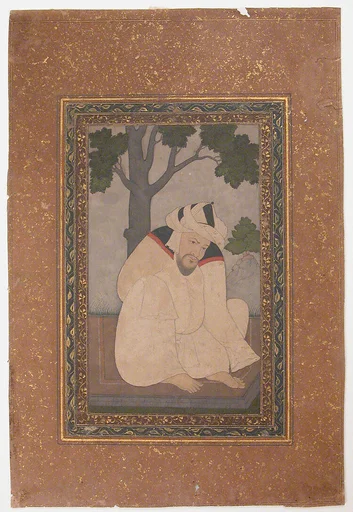
This figure can be identified as a sufi, on account of his long-sleeved khirqa cloak, ribbed cap, and prayer beads. His crossed arms, kneeling position and lowered gaze all suggest that he is in a state of deep introspection. In many examples of Persian painting, sleeves serve as a metaphor for the emotional state of the wearer, expressing contemplation, reverence, trepidation, and intoxication. In the case of this seated figure, his sleeves hang limp, crossed one over the other, emphasizing his contemplation. Sufis frequently spent periods of up to 40 days in isolation in the wilderness. This practice, called khalwa, facilitated distraction-free meditation and prayer. Young Sufis would engage in this habit under the guidance of a shaikh, and more advanced Sufis would sustain this practice independently throughout their lives.
- Artist
- Unknown
- Date
- late 16th century
- Medium
- Ink and watercolor on paper
- Department
- Islamic Art
- Credit line
- Bequest of George D. Pratt, 1935