Bead
Unknown
ca. 1st century BCE–1st century CE · Glass · Ancient Near Eastern Art
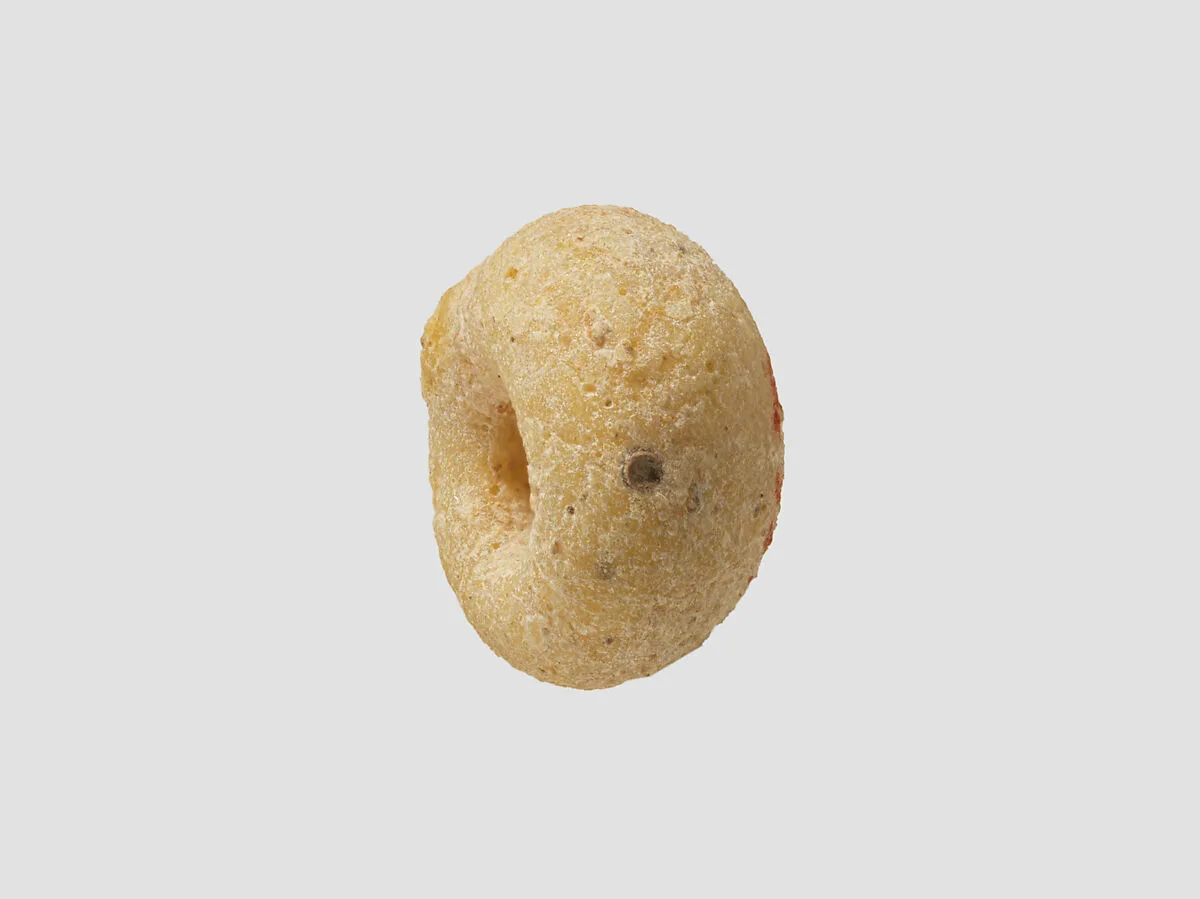
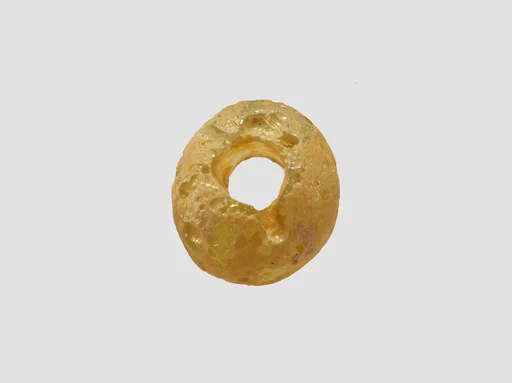
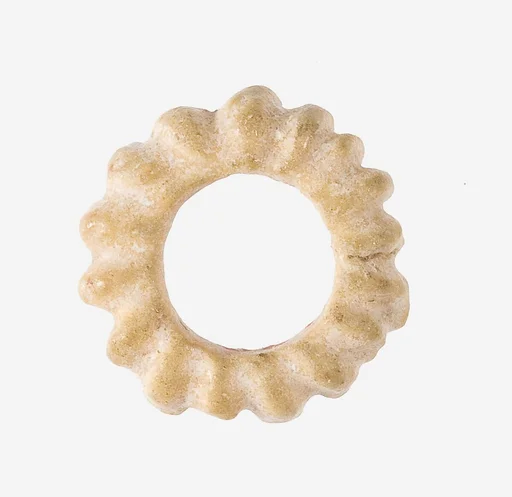
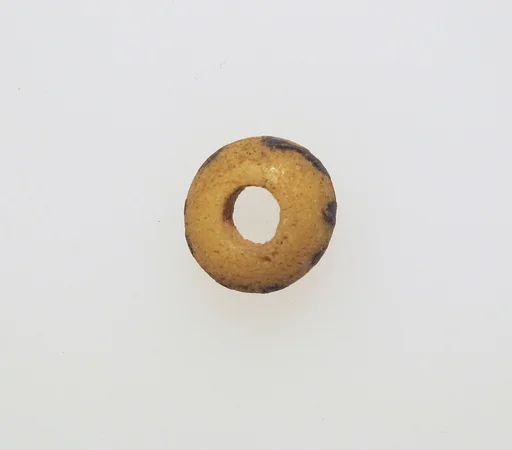
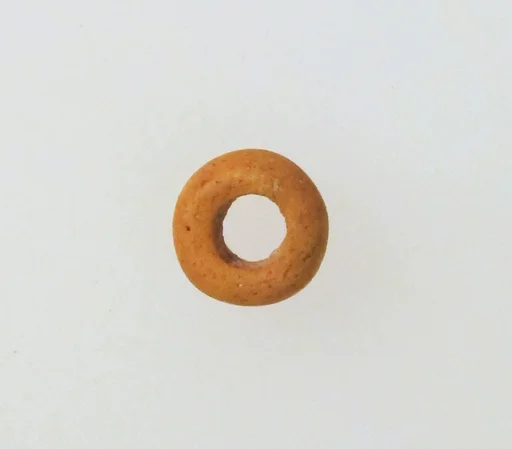
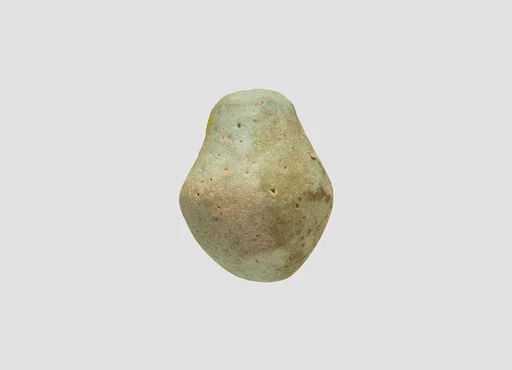
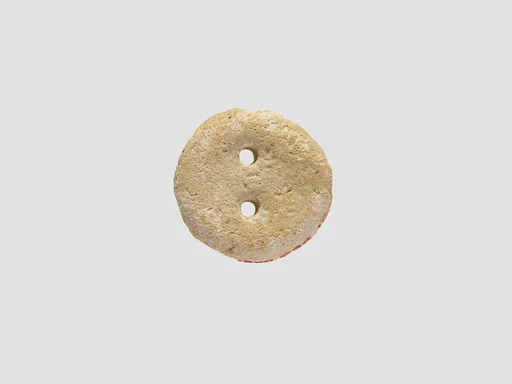
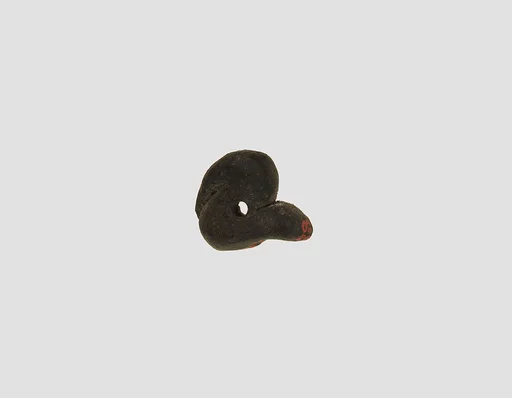
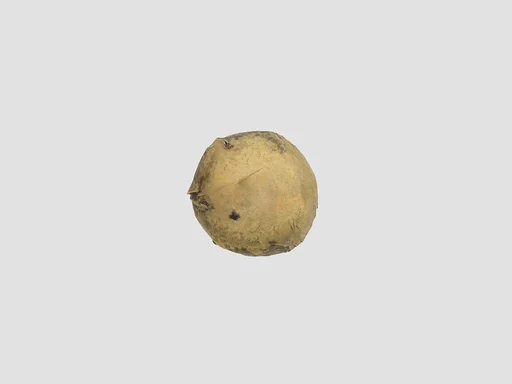
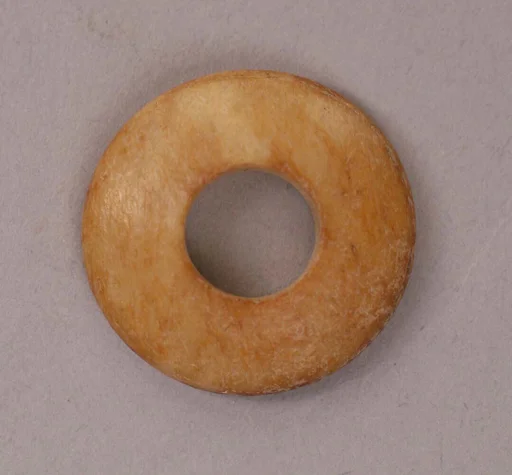
This spherical frit bead was excavated at Shahr-i Qumis in northern Iran, which has been identified as the ancient city of Hecatompylos, established by the Parthians as their capital by about 200 B.C. In Greek Hecatompylos means ‘a hundred gates,’ suggesting that the city was quite large. Indeed, the modern archaeological site includes several mounds, only a few of which have been excavated, and a vast area covered with potsherds. This bead was found in a large building at Site V, which has been tentatively identified as an elite residence. This building was completely filled with dirt sometime in the late 1st century B.C. or early 1st century A.D., perhaps when the Parthian capital was moved elsewhere and the city’s elite residents left with it. The excavations at Shahr-i Qumis by the British Institute of Persian Studies in 1967 were co-sponsored by the Metropolitan Museum of Art. However, this bead was not discovered until 1971, and it was acquired from the British Institute as a result of the Met’s financial contributions to the Institute’s excavations at Tepe Nush-i Jan, another site in Iran. At the time the Iranian government allowed foreign excavators to keep a portion of the finds, and these excavators in turn would divide their share among the institutions that supported the work.
- Artist
- Unknown
- Date
- ca. 1st century BCE–1st century CE
- Medium
- Glass
- Culture
- Parthian
- Department
- Ancient Near Eastern Art
- Credit line
- Purchase, H. Dunscombe Colt Gift, 1978