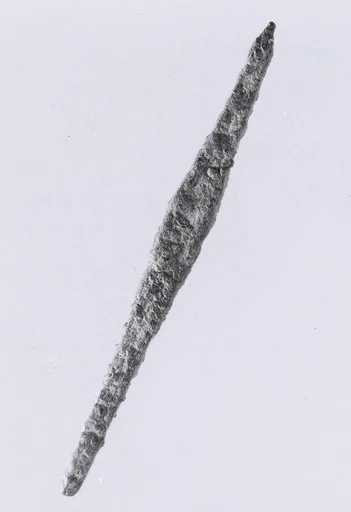
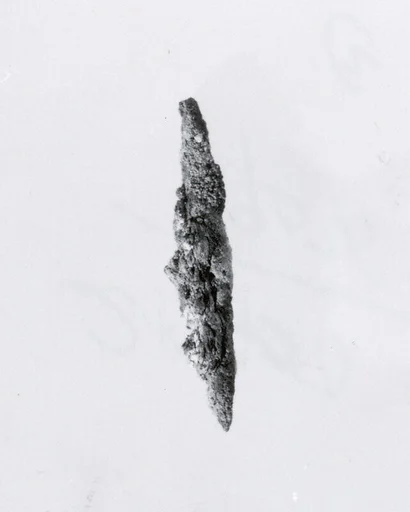
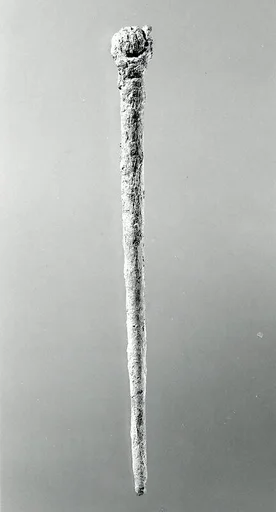
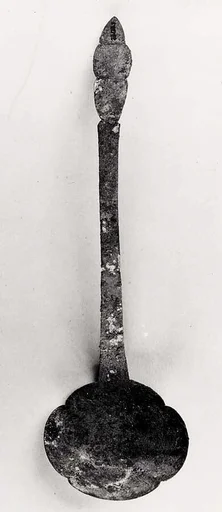
Rivet
Unknown
ca. 5th–early 2nd century BCE · Silver · Ancient Near Eastern Art
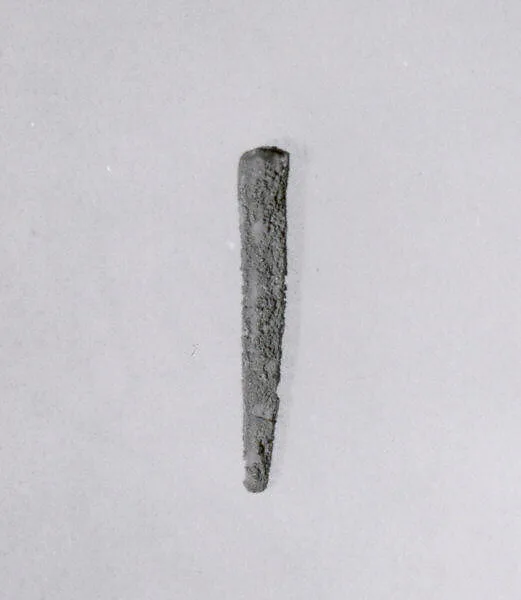
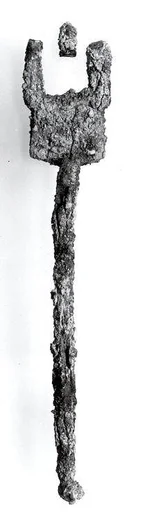
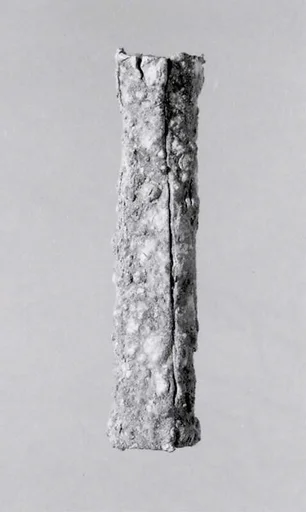
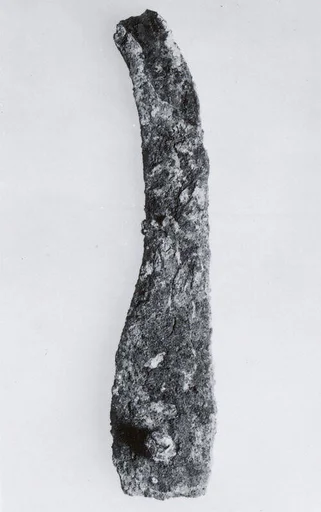
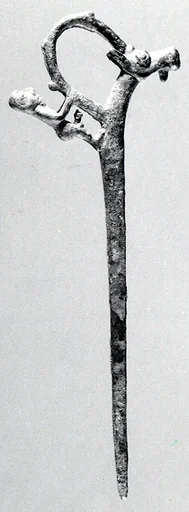
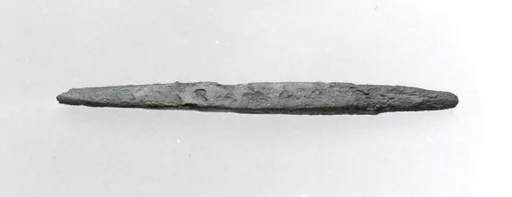
This silver rivet or nail was found in the courtyard of the Tall-i Takht at Pasargadae in southwestern Iran, about 90 km northeast of Shiraz. Pasargadae was the first capital of the Achaemenid Persian Empire, founded by Cyrus the Great c. 546 B.C. Tall-i Takht, a massive artificial platform presumably built as the site of a royal palace but converted into a fortified compound after Darius established a new capital at Persepolis around 520. Rivets and nails would normally be made of a sturdy base metal, such as bronze or iron. The only reason to have a silver rivet would be if it were part of a larger silver object, such as an item or jewelry or other personal adornment, or perhaps as part of some elaborate piece of décor. The Takht may have served as a storehouse or treasury during the 5th and 4th centuries B.C.; Elamite tablets from Persepolis refer to a treasury there during the reign of Darius, and according to the Greek historian Arrian (3.18.10), Alexander the Great captured a treasury at Pasargadae. This rivet might thus be remains of a silver object stored there.
- Artist
- Unknown
- Date
- ca. 5th–early 2nd century BCE
- Medium
- Silver
- Culture
- Achaemenid or Seleucid
- Department
- Ancient Near Eastern Art
- Credit line
- Purchase, H. Dunscombe Colt Gift, 1978