Armor scales
Unknown
ca. 4th century BCE · Iron, leather · Ancient Near Eastern Art
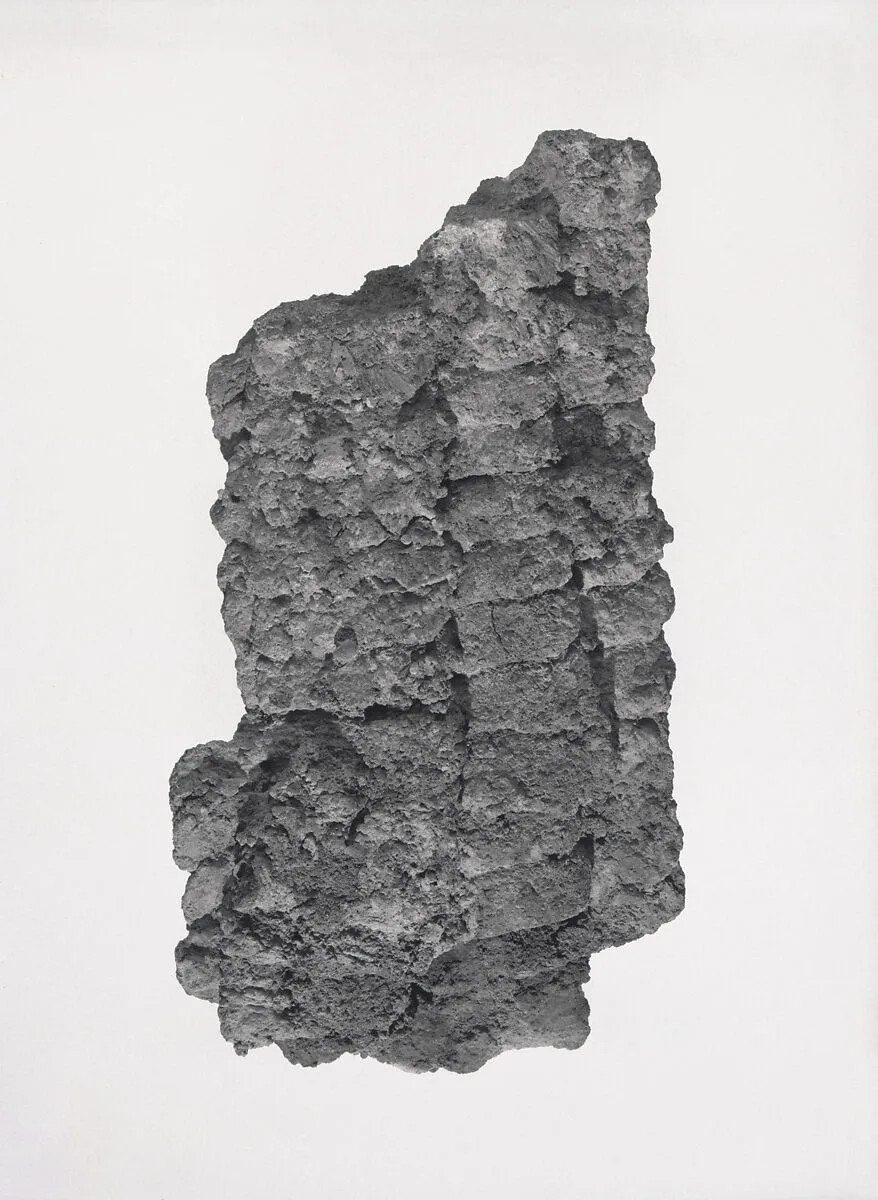
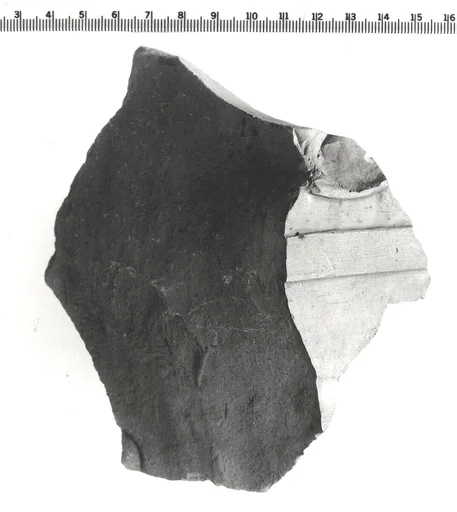
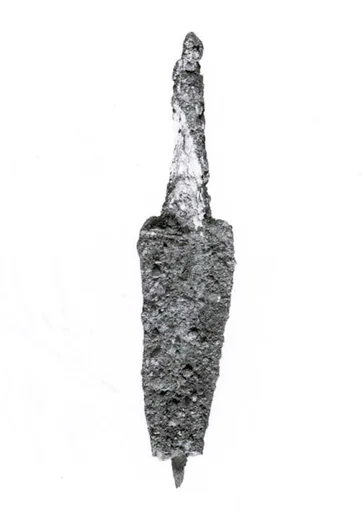
These three rows of overlapping iron scales, now badly corroded, are attached to a poorly preserved leather backing. They were once part of a piece of armor, most likely a breastplate. According to the Greek historian Herodotus (7.61.1), the Persian soldier’s in King Xerxes’ army in 480 B.C. wore armor ‘looking like the scales of a fish.’ They were excavated at the Tall-i Takht at Pasargadae, about 55 miles northeast of Shiraz, Iran. Pasargadae was founded by Cyrus the Great (reigned ca. 550-530 B.C.) as the first capital of the Achaemenid Persian Empire. The Tall-i Takht is an elevated platform that was presumably intended as the site of Cyrus’ palace. In later years it served as a fortified citadel, and these scales probably date to this period of later use.
- Artist
- Unknown
- Date
- ca. 4th century BCE
- Medium
- Iron, leather
- Culture
- Achaemenid
- Department
- Ancient Near Eastern Art
- Credit line
- Purchase, H. Dunscombe Colt Gift, 1978
![[Flaking Tar on Cement Wall]](https://d2pvxr3eb77vb4.cloudfront.net/assets/v1/cf/cfd8df6f50515e010589cc52912b5e8b354c752ff5ff52150c0feb2ee462768b/graph.webp)