Shallow bowl
Unknown
ca. 7th century BCE · Ceramic · Ancient Near Eastern Art
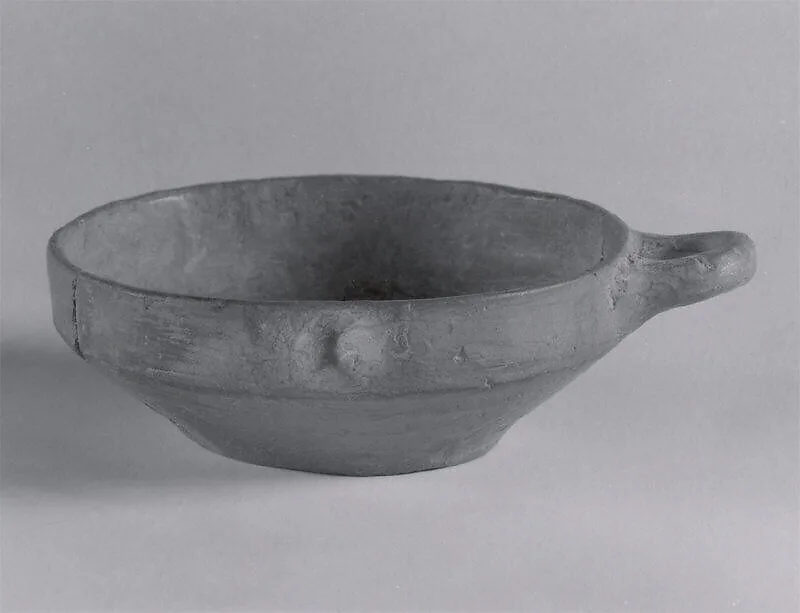
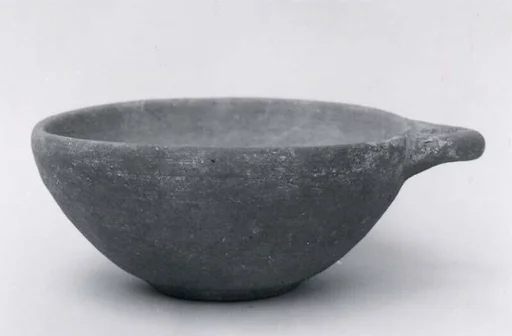
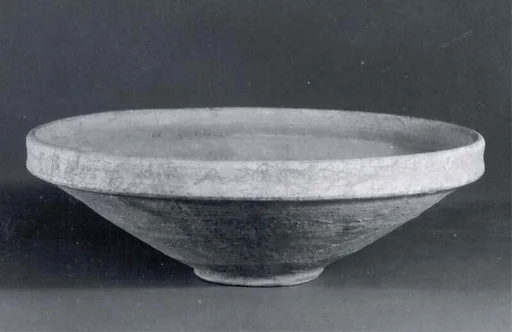
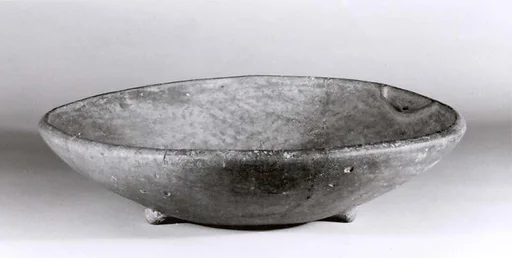
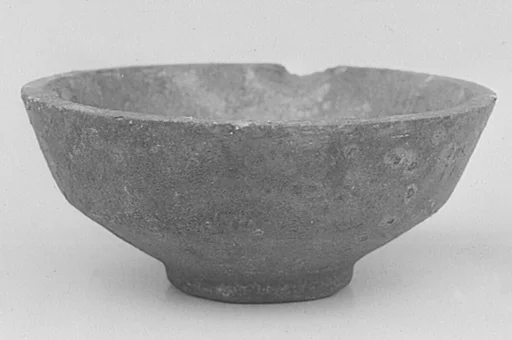
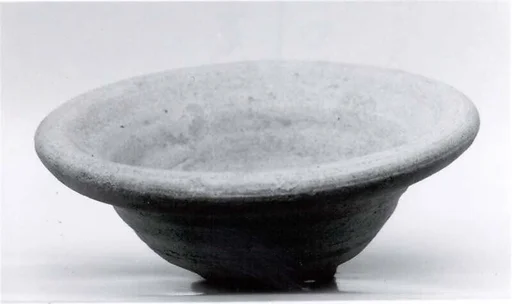
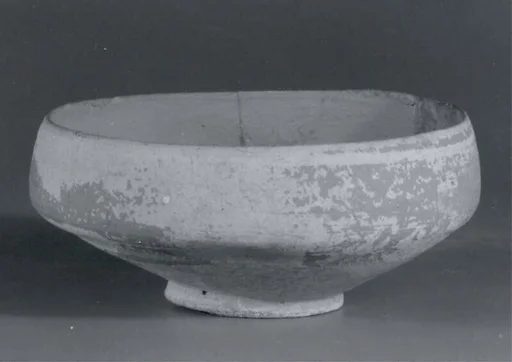
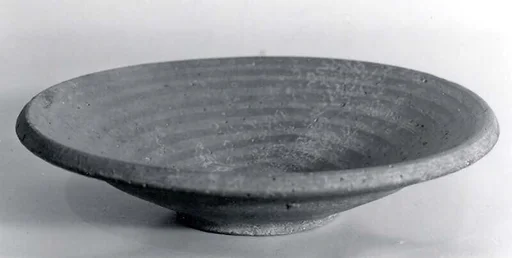
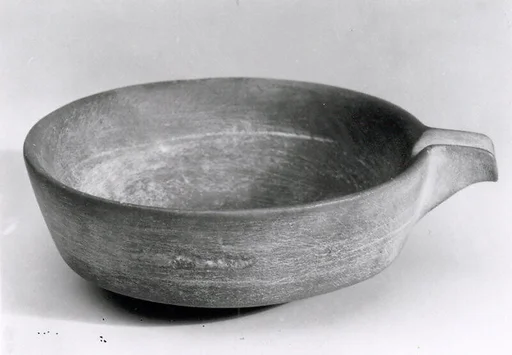
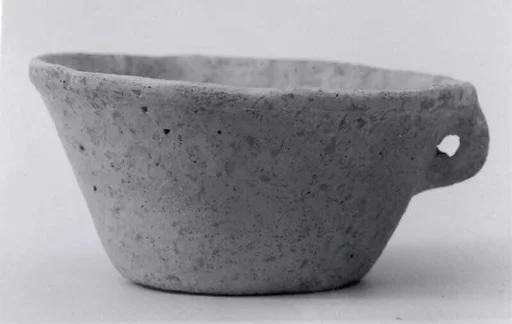
This shallow bowl has a flat base, a carinated shoulder and a vertical rim. A horizontal loop handle emerges from the shoulder on one side. It is made of a red clay, using a potter’s wheel. It was excavated at Tepe Nush-i Jan, an Iron Age hilltop site about 60 km sound of Hamadan in western Iran. Nush-i Jan was occupied in the 7th and 6th centuries B.C., and its occupants are generally thought to be the Medes, an Iranian people known from Assyrian, Achaemenid and Biblical sources. Though the textual sources portray them as a powerful empire, archaeological evidence for the Medes has yet to sustain this impression. Rather, they seem to have lived in scattered fortified sites in western and central Iran, without any clear capital. Nush-i Jan, one of the best known of these sites, features two temples, a columned hall, and a fort. This jar was found in the Central Temple, a tower-like structure in the middle of the site. Thus it may have been used in a ritual performed there.
- Artist
- Unknown
- Date
- ca. 7th century BCE
- Medium
- Ceramic
- Culture
- Iran
- Department
- Ancient Near Eastern Art
- Credit line
- Purchase, H. Dunscombe Colt Gift, 1974