Button
Unknown
ca. 9th–7th century BCE · Bone · Ancient Near Eastern Art
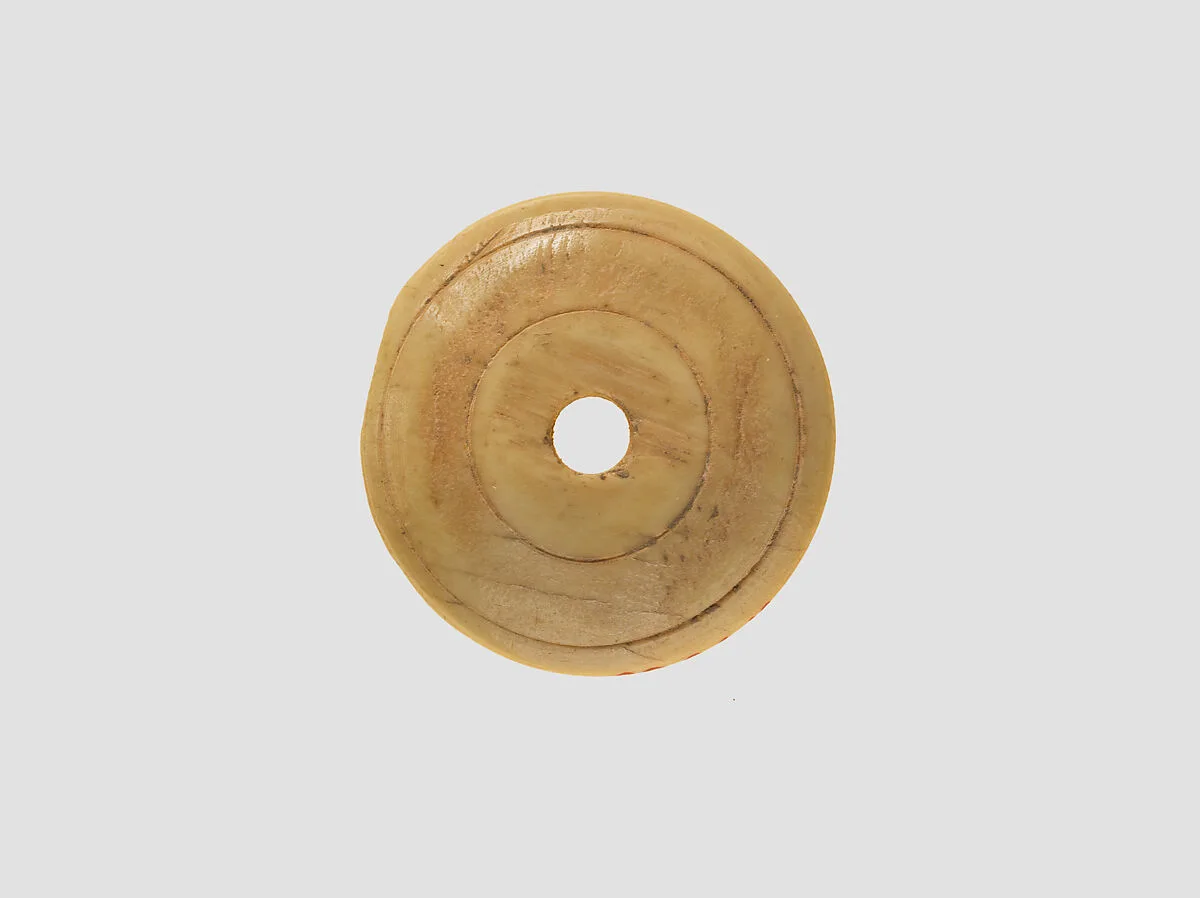
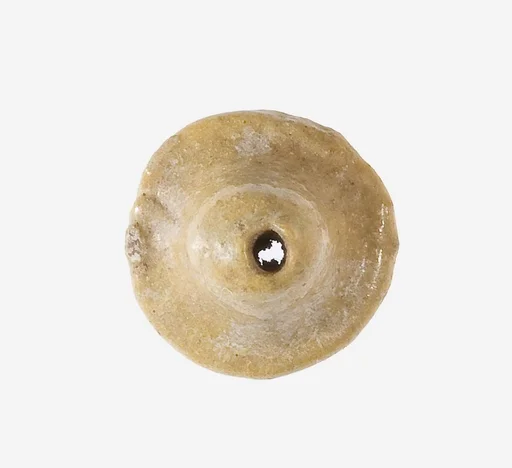
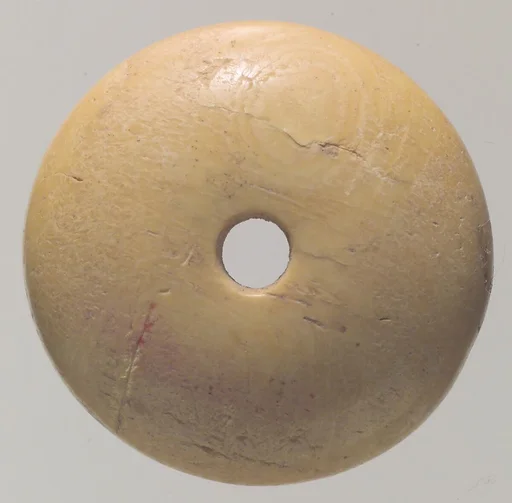
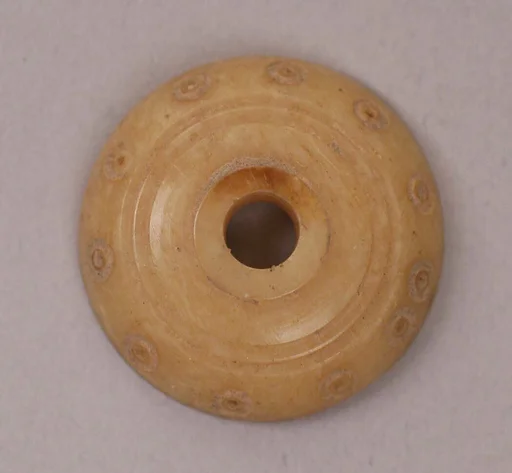
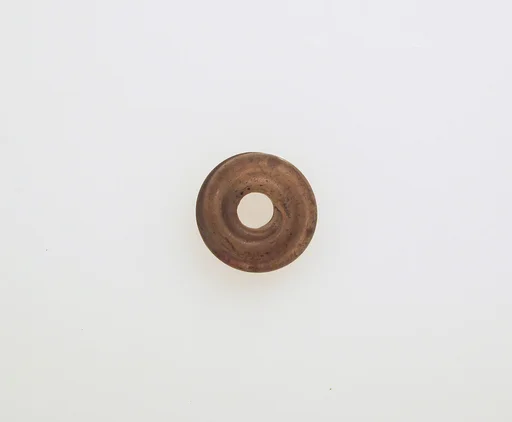
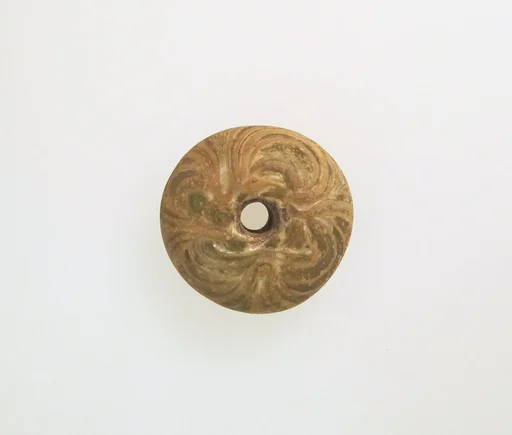
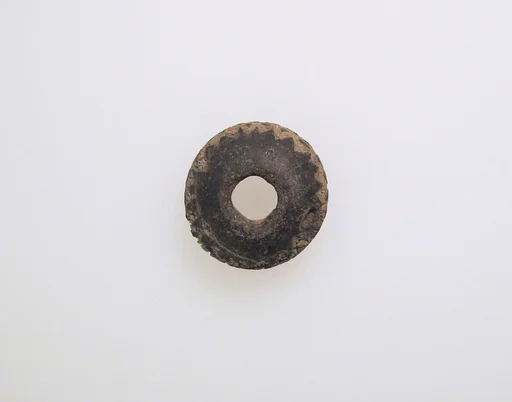
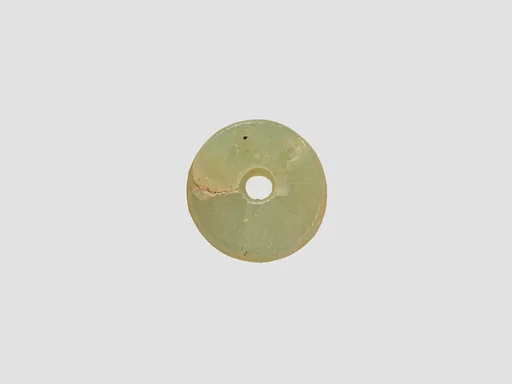
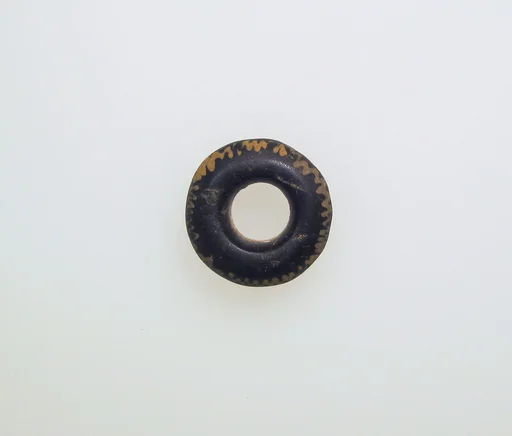
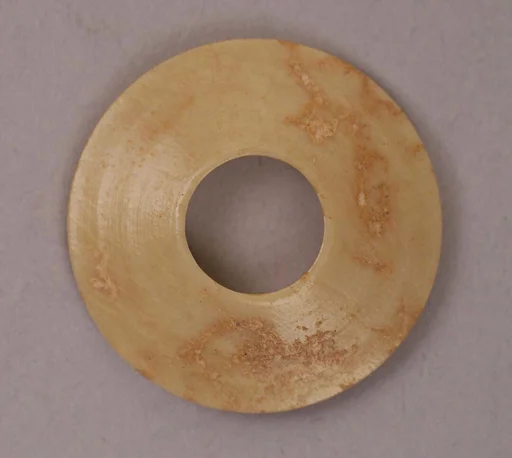
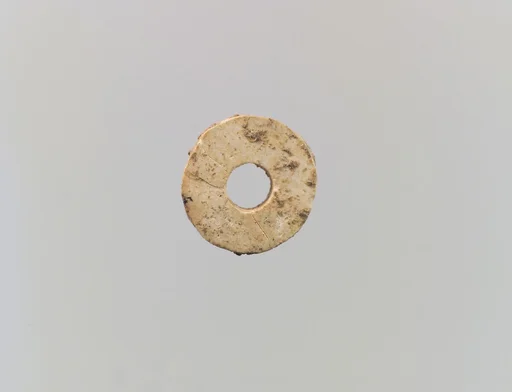
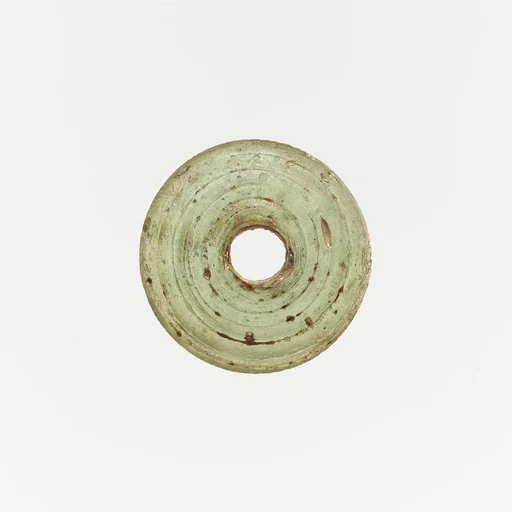
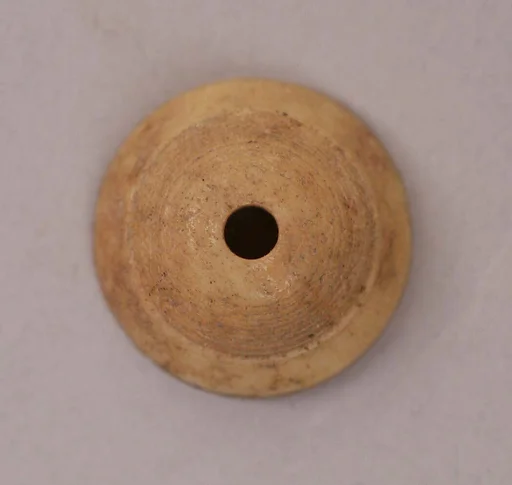
This small circular object with a central hole and two incised concentric rings on its upper face was excavated at the site of Tepe Nush-i Jan. Located in northwestern Iran, the site is built on a natural outcrop and dominates the surrounding plain. Three periods of occupation were identified: a Median level of about 750 – 650 B.C., which was the best preserved; a level of poor squatter structures; and, after a break, a Parthian-period level dated to the first century B.C. Four major Median mud brick buildings — the Central Temple, the Old Western Building, the Columned Hall, and the Fort Building — were in use for more than a century. Tepe Nush-i Jan was excavated by David Stronach on behalf of the British Institute of Persian Studies for five seasons between 1967 and 1977. The Metropolitan Museum provided support for all but the final season.
- Artist
- Unknown
- Date
- ca. 9th–7th century BCE
- Medium
- Bone
- Culture
- Iran
- Department
- Ancient Near Eastern Art
- Credit line
- Purchase, H. Dunscombe Colt Gift, 1969