Blade
Unknown
early 2nd millennium BCE · Copper · Ancient Near Eastern Art
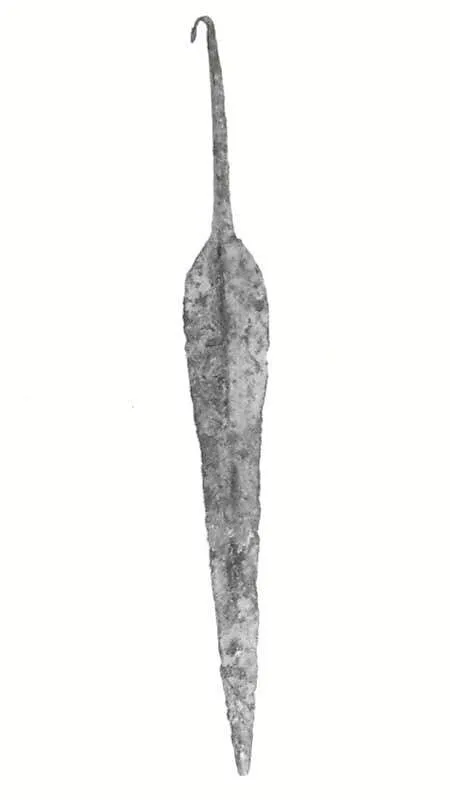
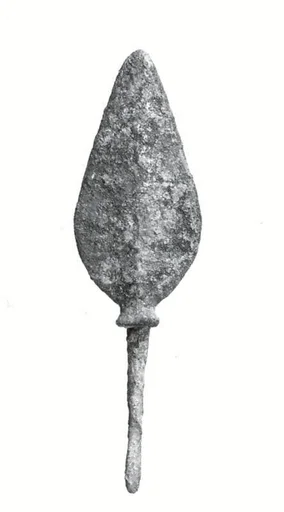
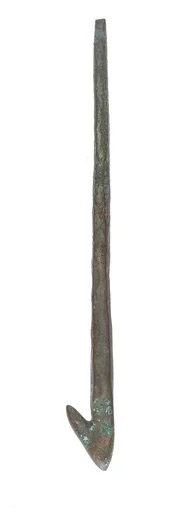
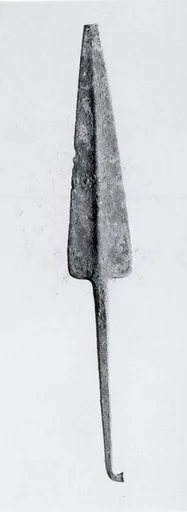
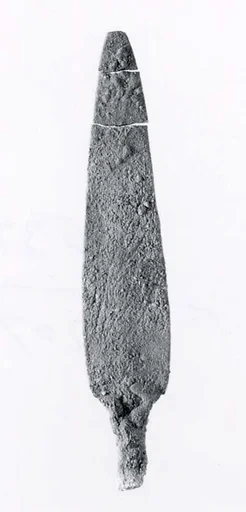
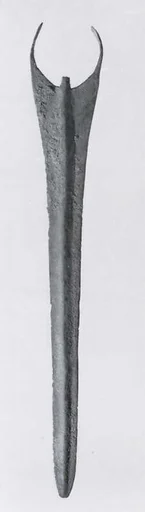
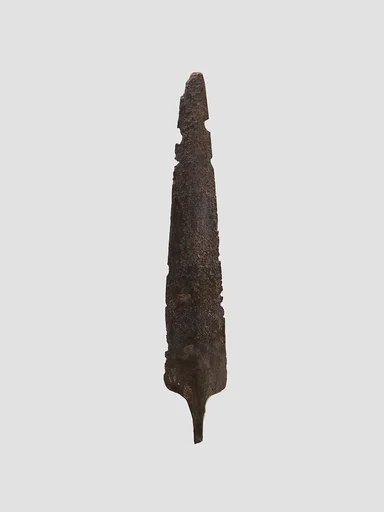
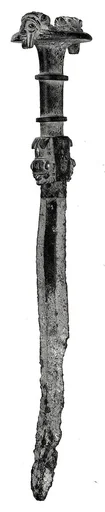
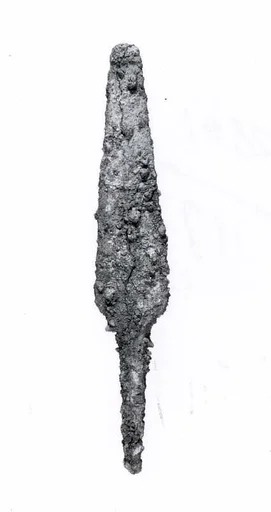
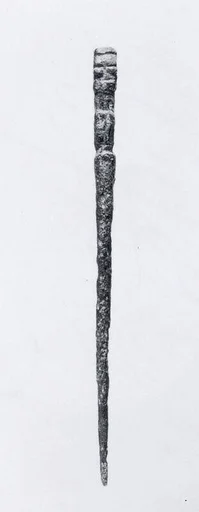
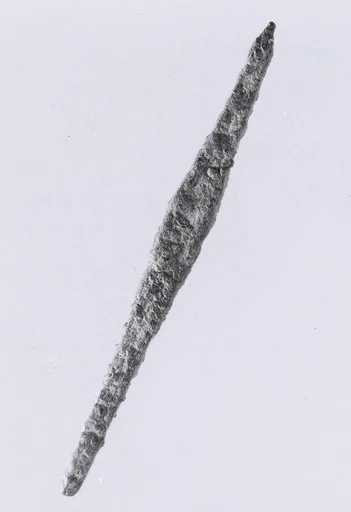
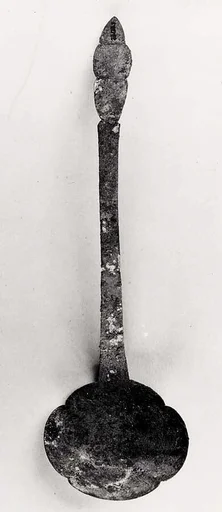
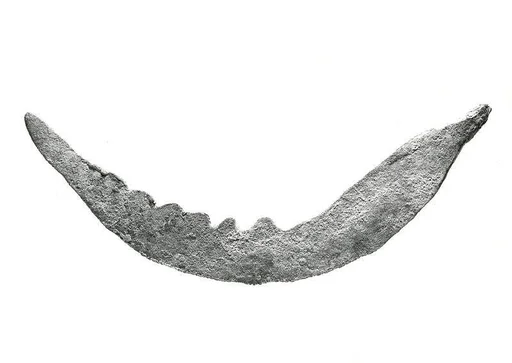
This copper blade was once part of a spear or dagger. It was excavated at Tepe Hissar, near the modern city of Damghan in northern Iran. Tepe Hissar was primarily an agricultural settlement, with buildings made of mudbrick or simply mud walls. The blade probably dates to the early 2nd millennium B.C., as similar such blades are known from this period elsewhere in Iran and Anatolia. Although 97.8% copper, the blade also contains 1.06% arsenic. Arsenic was frequently alloyed with copper in order to make weapons or tools, but it is nearly impossible to determine whether this small amount of arsenic was added intentionally or was present naturally in the copper ore used to make the blade. Arsenic is quite poisonous, and smelting it produced toxic gas; thus tin began to replace arsenic as the main alloy for bronze-working in the third millennium B.C. However, tin was not always available, and the use of arsenic persisted in many parts of the ancient world.
- Artist
- Unknown
- Date
- early 2nd millennium BCE
- Medium
- Copper
- Culture
- Iran
- Department
- Ancient Near Eastern Art
- Credit line
- Rogers Fund and Purchase, Joseph Pulitzer Bequest, by exchange, 1957