Bowl
Unknown
mid 6th–5th millennium BCE · Ceramic · Ancient Near Eastern Art
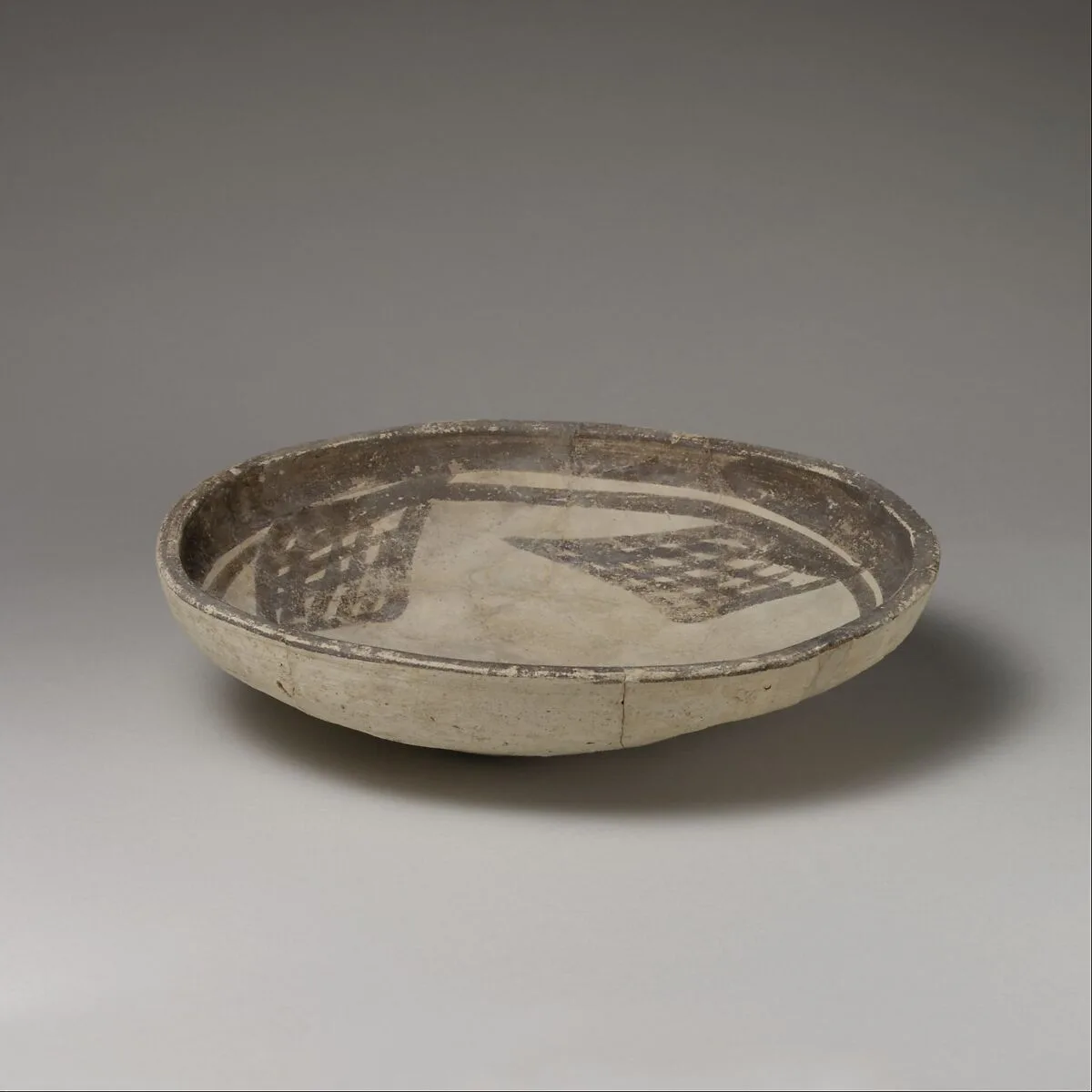
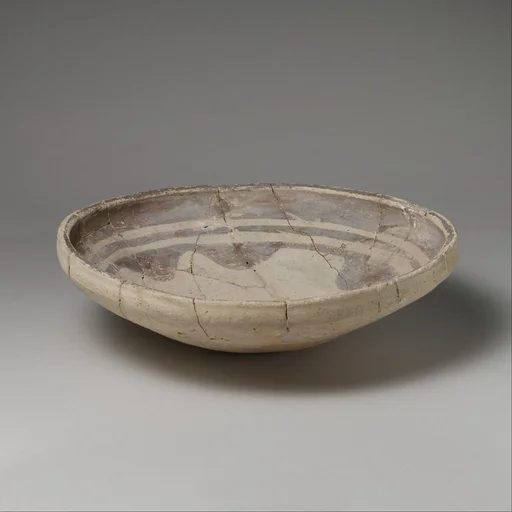
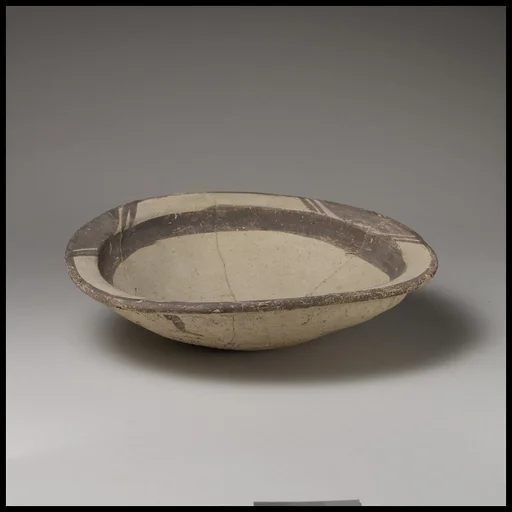
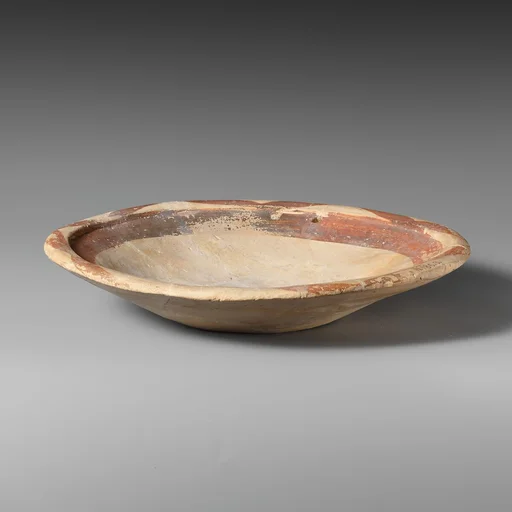
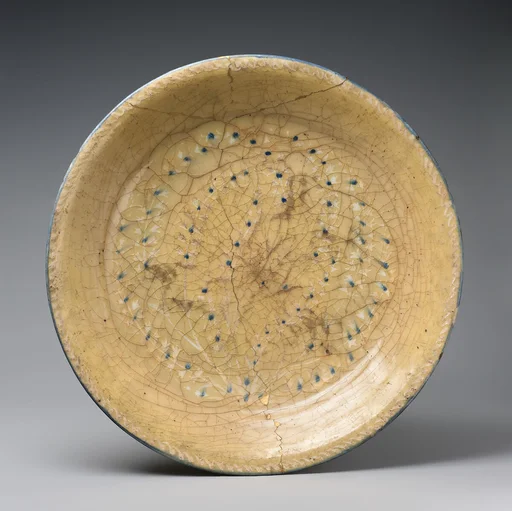
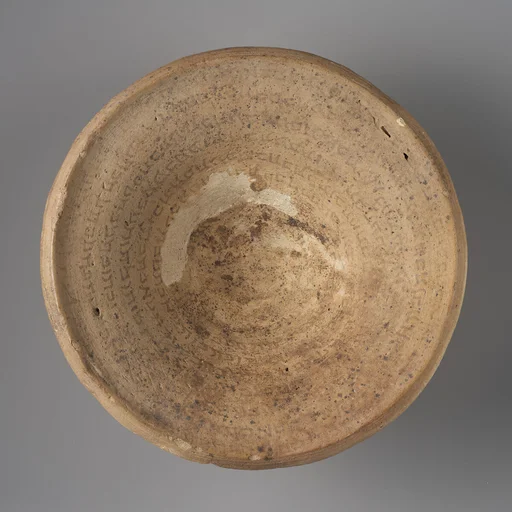
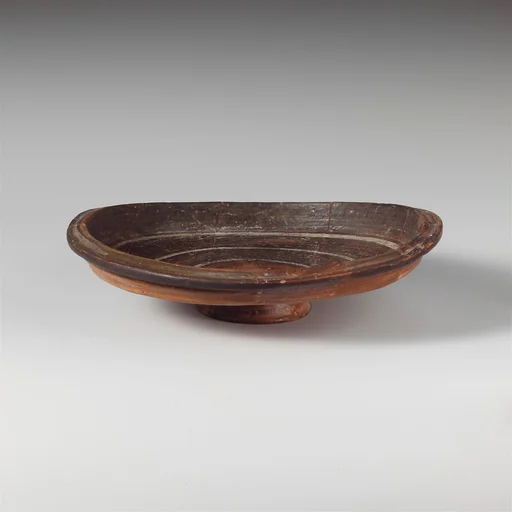
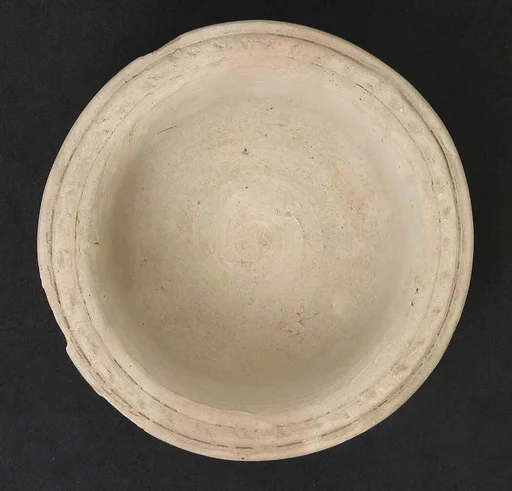
The most common type of vessel excavated from graves of the Late Ubaid period at the southern Mesopotamian site of Eridu was a shallow bowl, like this one. Typically a band of paint circles the outer rim, with occasional painted decoration—often of a crosshatched design—along the band. The central ground is left blank. On this example, the hatching takes the form of three evenly spaced lozenges, the sides of which are not straight and give the appearance of leaves swirling around the bowl. Toward the end of the Ubaid period in southern Mesopotamia, pottery was less skillfully painted but some of the grave pottery has simple but bold and very effective designs. This vessel was excavated in the Ubaid Cemetery at Eridu (Grave 134).
- Artist
- Unknown
- Date
- mid 6th–5th millennium BCE
- Medium
- Ceramic
- Culture
- Ubaid
- Department
- Ancient Near Eastern Art
- Credit line
- Gift of Theodore M. Davis, by exchange, 1949