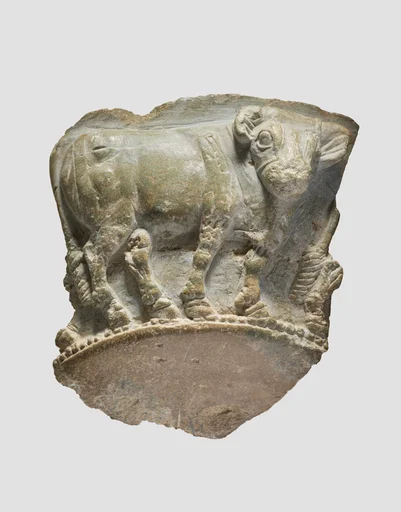
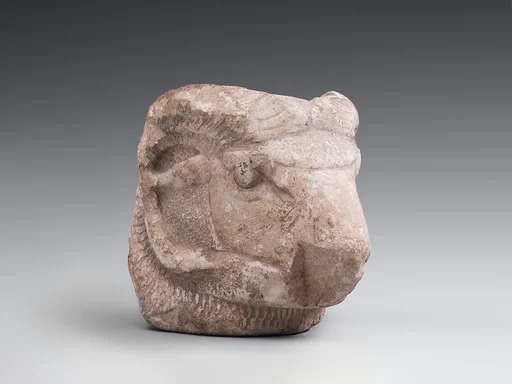
Bull's head from column capital
Unknown
ca. 5th century BCE · Limestone · Ancient Near Eastern Art
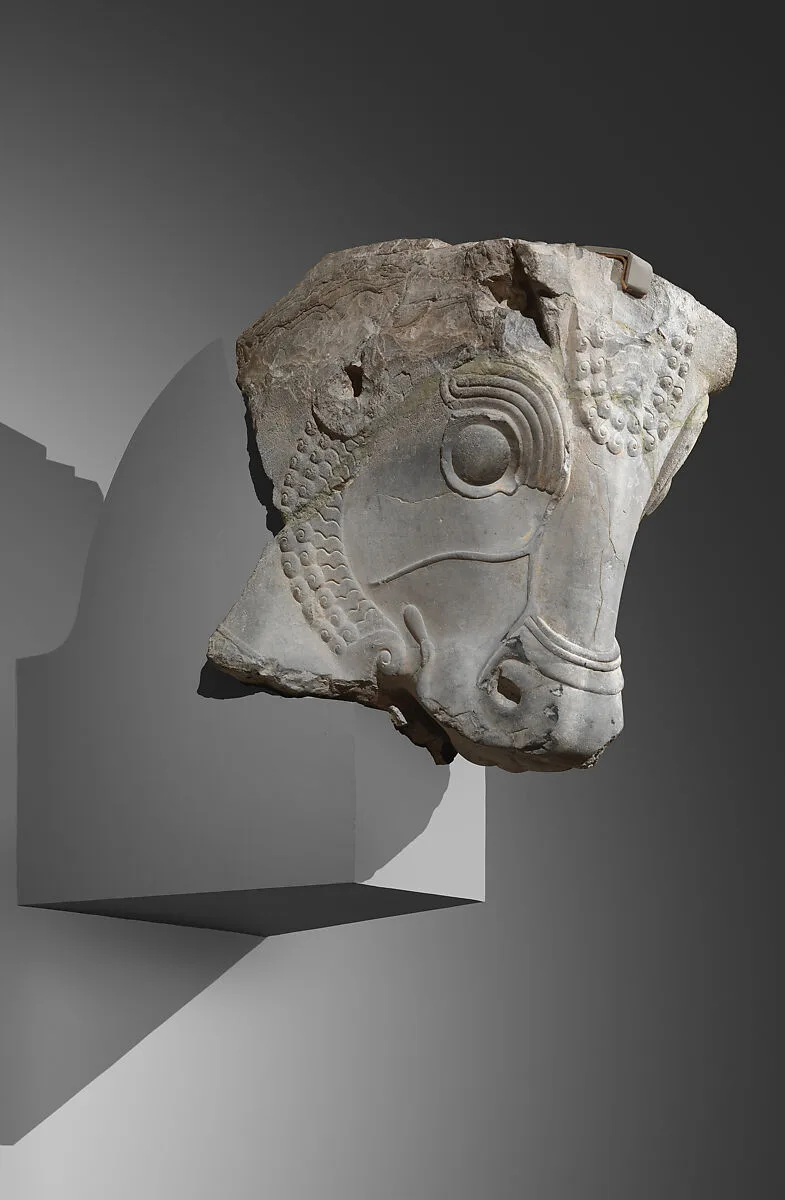
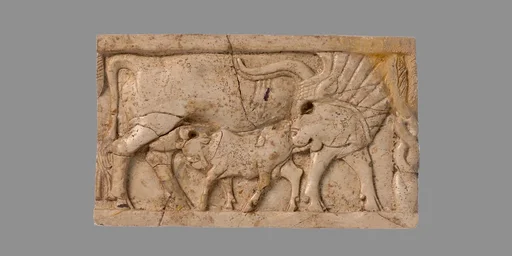
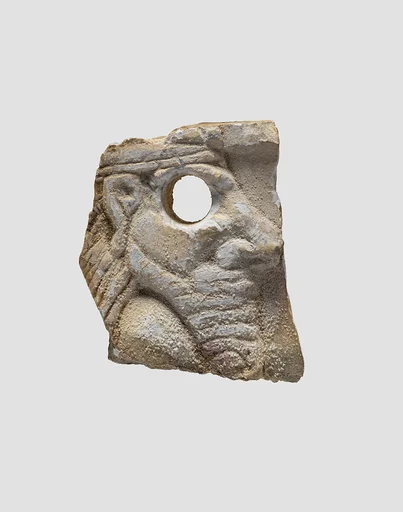
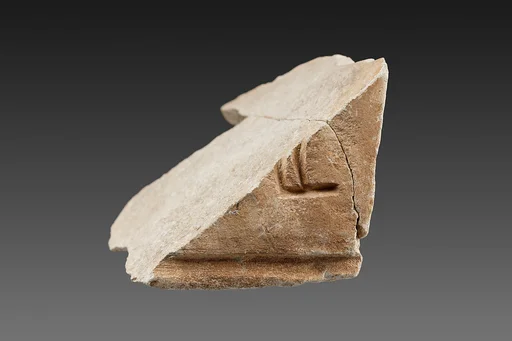
The monumental art and architecture of the Achaemenid period are best exemplified by the ruins of Persepolis, the large ceremonial capital of the empire originally built by Darius I (r. 521–486 B.C.) and expanded by his successors. Persepolis is located thirty miles northwest of Shiraz in the southwest Iranian province of Fars. There, structures like the "Hall of One Hundred Columns" and the "Throne Room of Darius and Xerxes" exhibit features characteristic of Achaemenid palace architecture—large square rooms, with ceilings supported by many columns. Some of the columns in the Throne Room have been reconstructed and stand more than sixty-five feet high. The column capitals were decorated with the foreparts of bulls, lions, and griffins carved in the round. This object being a prime example of a standard bull's head. The sculptures often consisted of the addorsed foreparts of such creatures to form a solid support for the wooden beams they held. This type of architectural decoration appears to be an entirely Achaemenid creation but this sculpture was reused during the early Islamic period in a building identified as a mosque at Istakhr, near Persepolis. The Medieval geographer Muqadassi mentions exactly that in the tenth century the Istakhr mosque has "columns, with cows on them."
- Artist
- Unknown
- Date
- ca. 5th century BCE
- Medium
- Limestone
- Culture
- Achaemenid
- Department
- Ancient Near Eastern Art
- Credit line
- Rogers Fund, 1947