Sherd
Unknown
ca. 1500–1000 BCE · Ceramic · Ancient Near Eastern Art
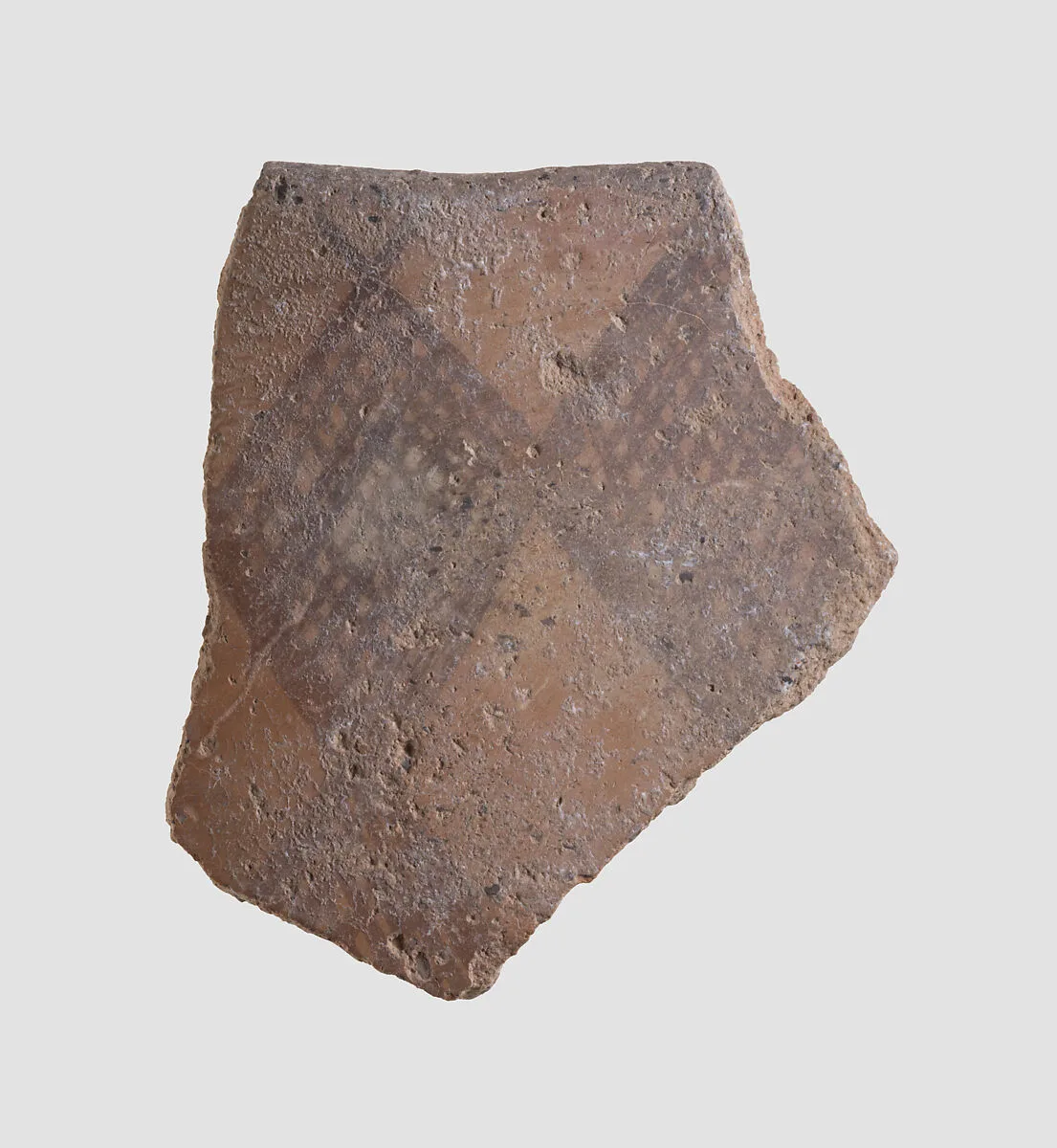
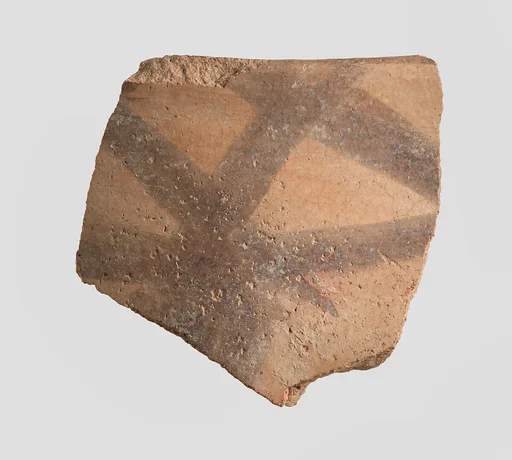
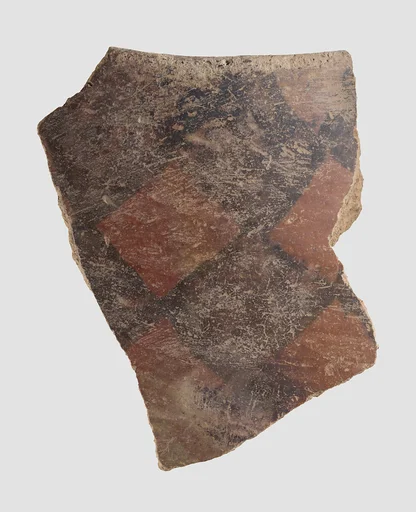
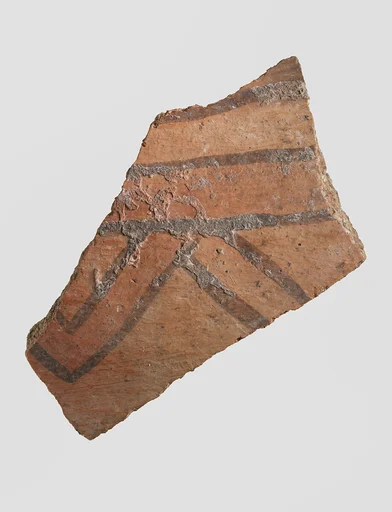
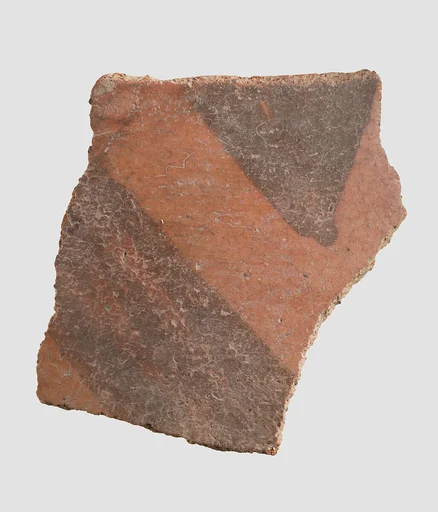
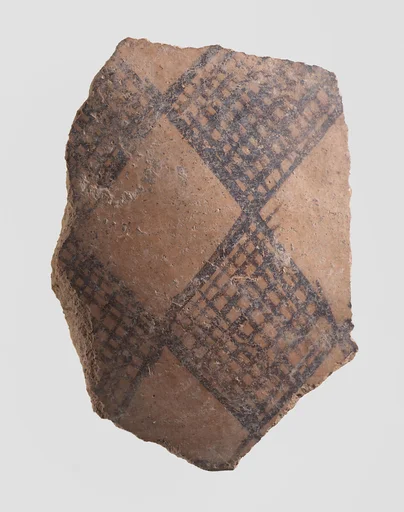
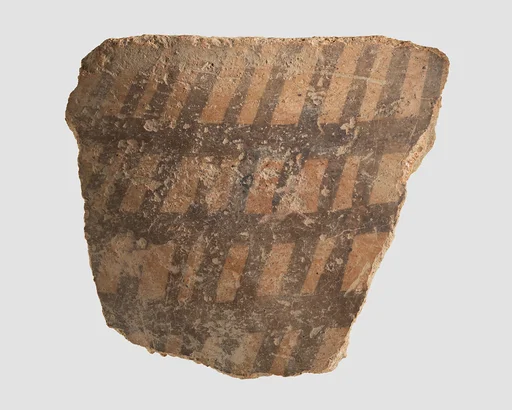
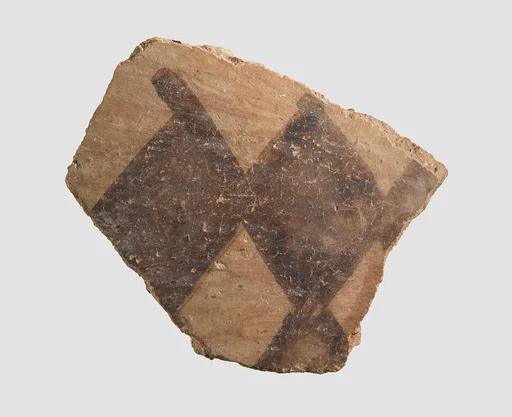
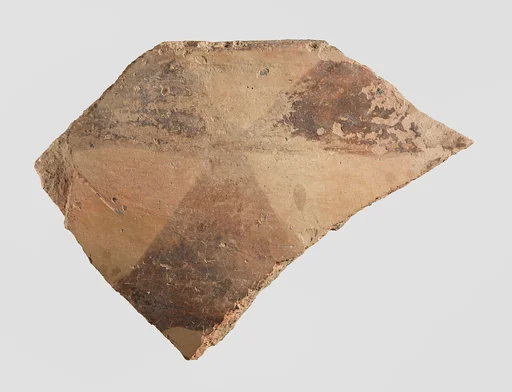
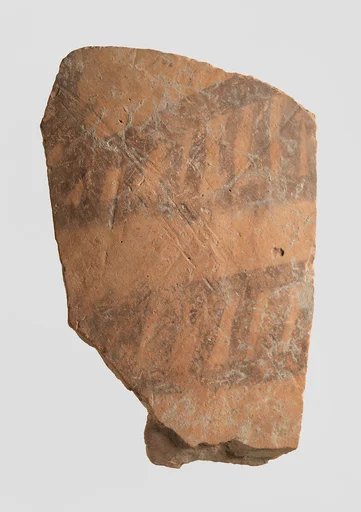
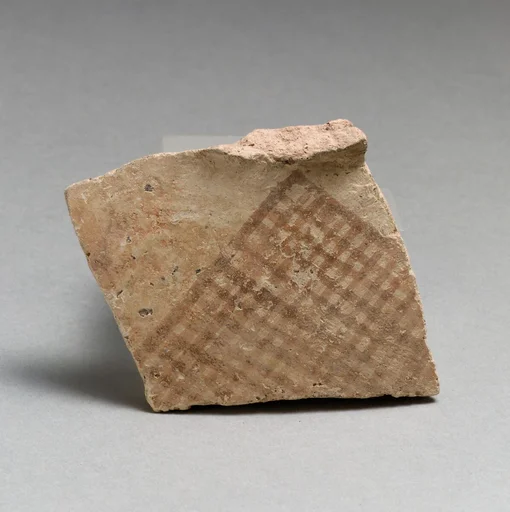
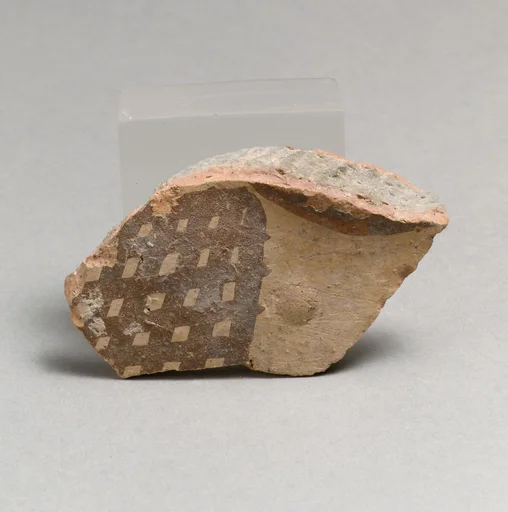
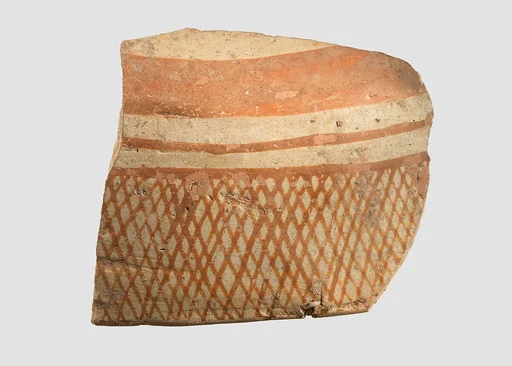
This sherd is made of a red clay, with brown painted decoration. It is typical of Yaz I ceramics from Turkmenistan, dating to ca. 1500-1000 B.C. It was excavated in 1937 at a prehistoric site in the vicinity of Nishapur in northeastern Iran. While Nishapur itself was founded by the Sasanian king Shapur I (reigned ca. A.D. 241-272), this sherd shows that human habitation there goes back to the prehistoric period. Furthermore, the prehistoric pottery from Nishapur has close affinities with ceramic materials from Central Asia rather than with contemporary sites in Iran, meaning that in this period its inhabitants were likely culturally linked to their neighbors to the east. At the same time, Nishapur’s location on what later became known as the Great Khorasan Road suggests that it was part of the trade network that facilitated the import of precious stones such as lapis lazuli, carnelian and turquoise from Central Asia to Mesopotamia.
- Artist
- Unknown
- Date
- ca. 1500–1000 BCE
- Medium
- Ceramic
- Culture
- Iran
- Department
- Ancient Near Eastern Art
- Credit line
- Rogers Fund, 1938