Coin
Unknown
ca. 50–100 CE · Silver · Ancient Near Eastern Art
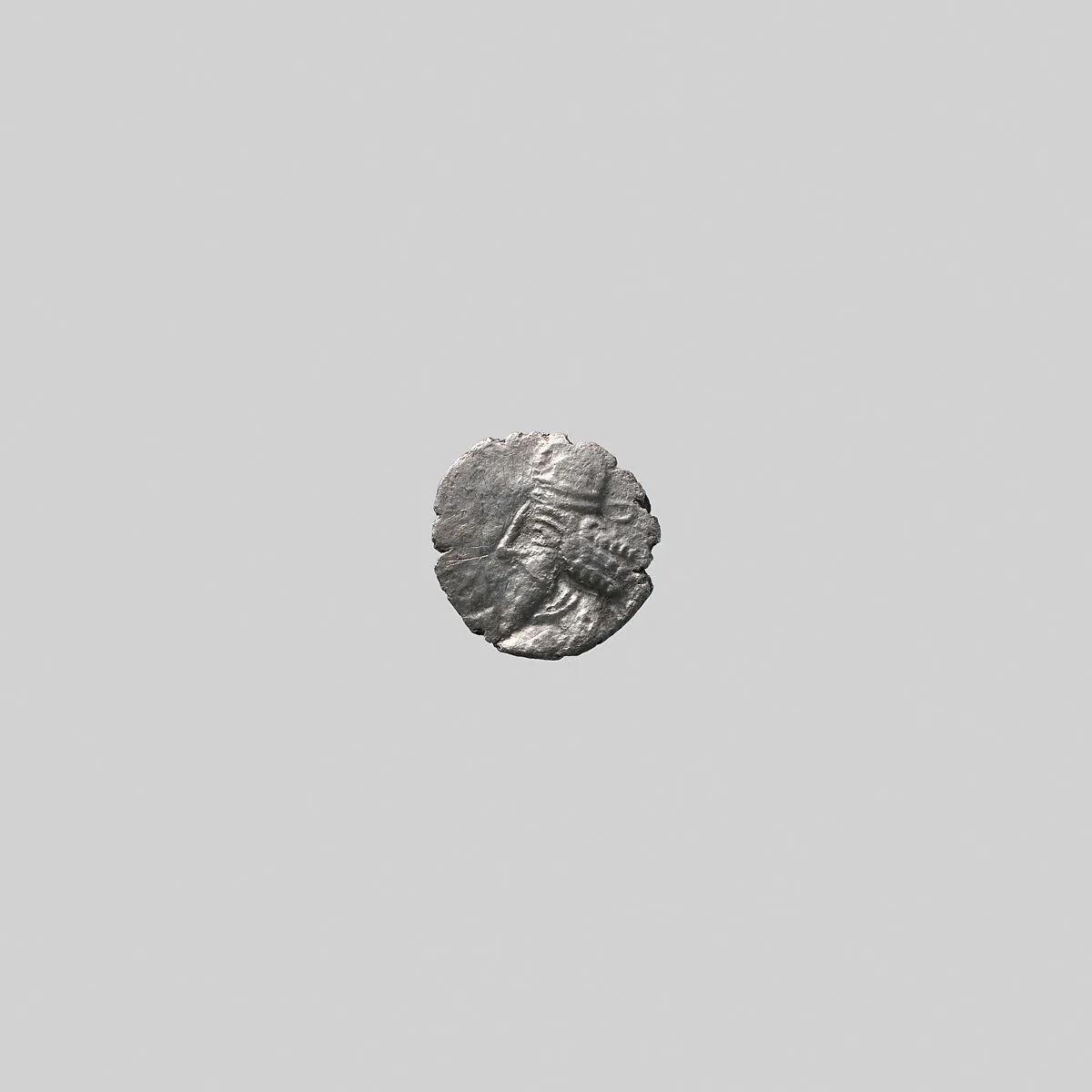
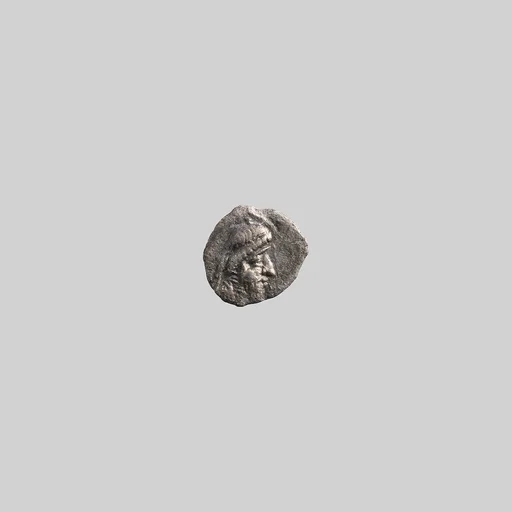
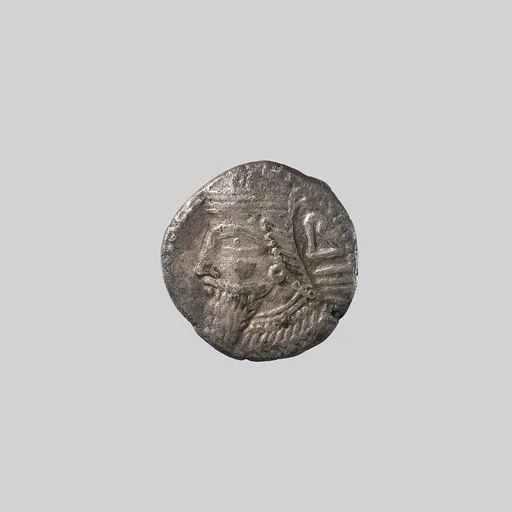
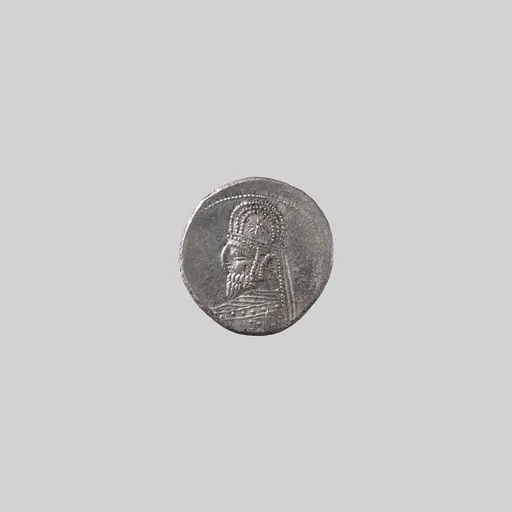
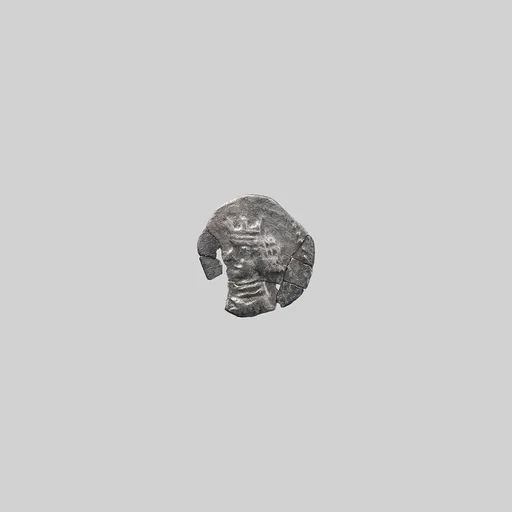
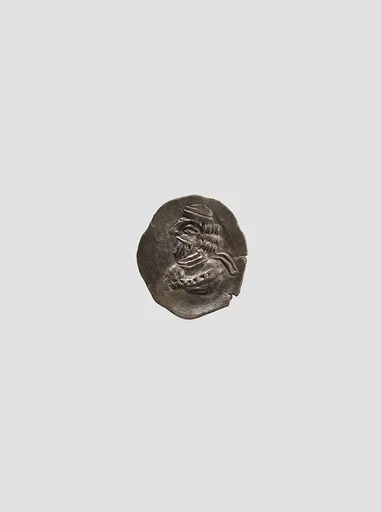
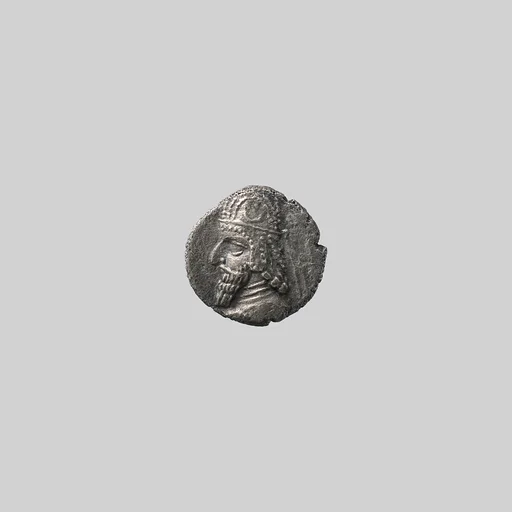
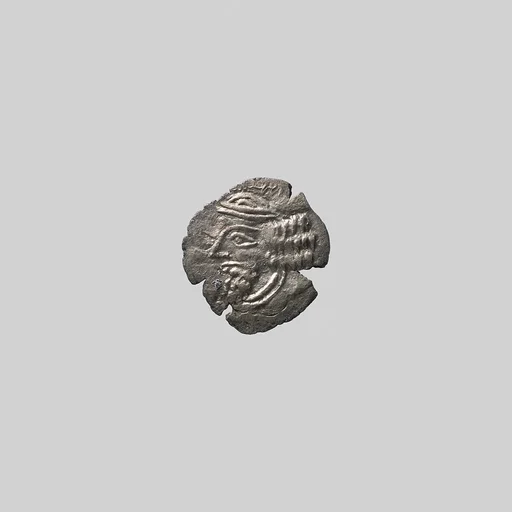
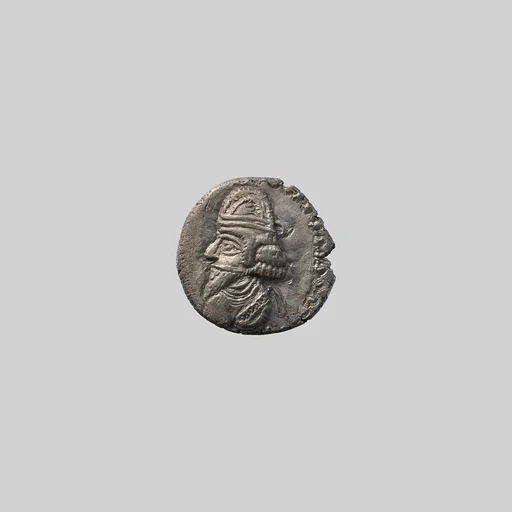
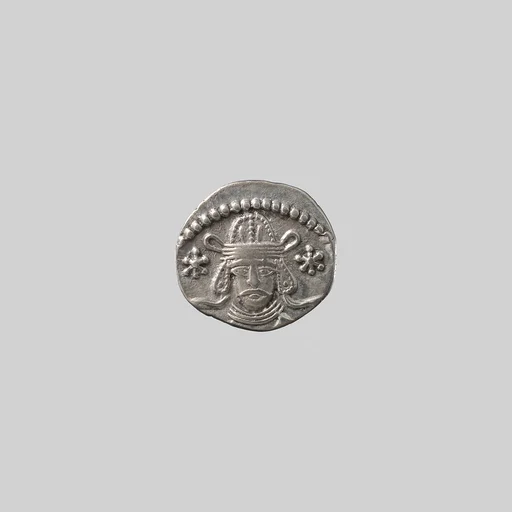
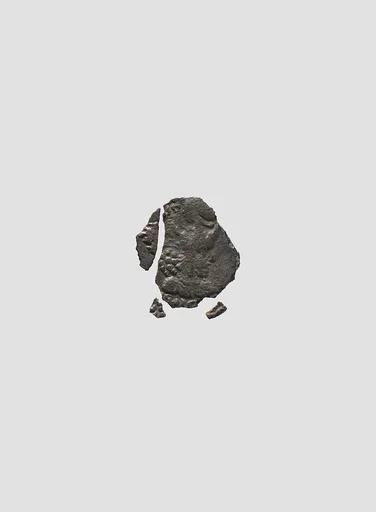
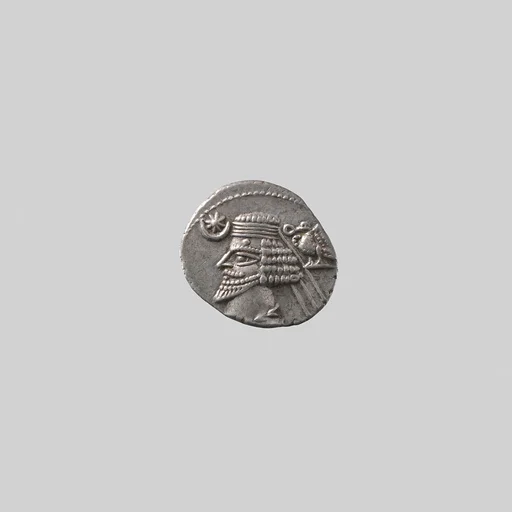
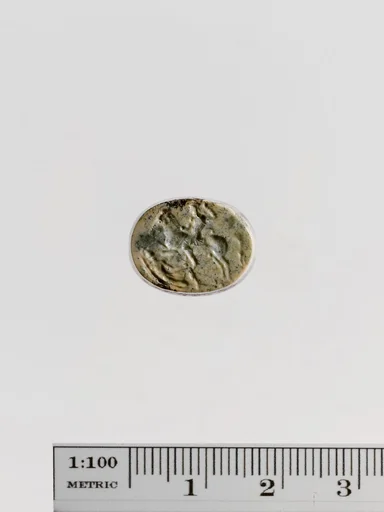
Numismatists – the scholars who study coins – refer to the ‘front’ side of the coin, which usually features the head of a person or god, as the ‘obverse,’ and the ‘back’ side as the ‘reverse.’ On the obverse of this small silver coin, a bust of the king faces to the left. He has a long beard, long hair and a large nose, and wears a domed hat (called a ‘tiara’) with a diadem (the headband worn by victorious athletes in ancient Greece) tied over it. The reverse type is all but impossible to discern. This coin was minted by King Kapat (also called Napad) of Persis, in the second half of the first century A.D. Persis refers to a region in southwestern Iran which was the heartland of the Achaemenid Empire. Under the Seleucids and Parthians, Persis was ruled by client kings like Ardashir, who combined elements of Achaemenid, Seleucid and Parthian iconography on their coins. This coin was excavated at Qasr-i Abu Nasr, near Shiraz. Much of the material from the site dates to the Sasanian period (A.D. 224-651); this coin is one the few objects suggesting it was occupied in the Parthian period as well.
- Artist
- Unknown
- Date
- ca. 50–100 CE
- Medium
- Silver
- Culture
- Parthian
- Department
- Ancient Near Eastern Art
- Credit line
- Rogers Fund, 1936