Stamp seal
Unknown
ca. 3rd–7th century CE · Carnelian (?) · Ancient Near Eastern Art
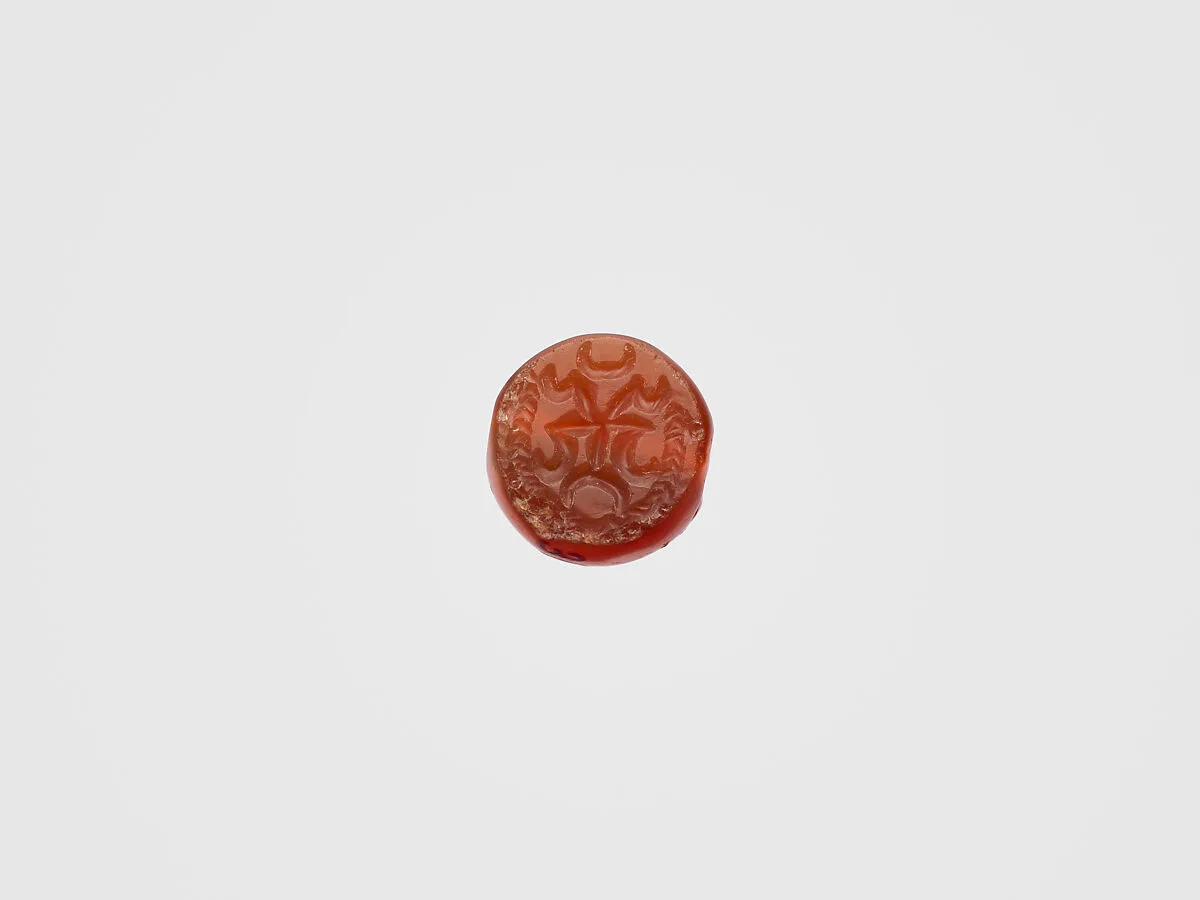
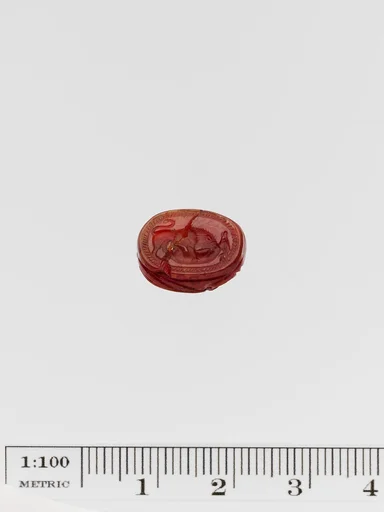
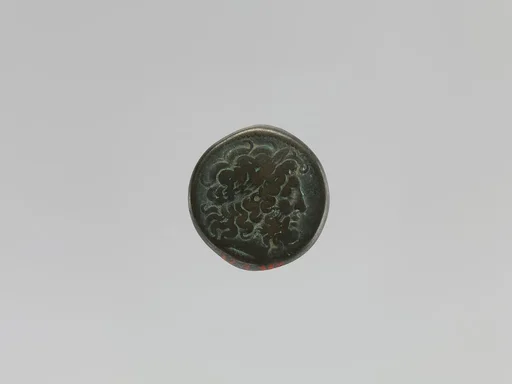
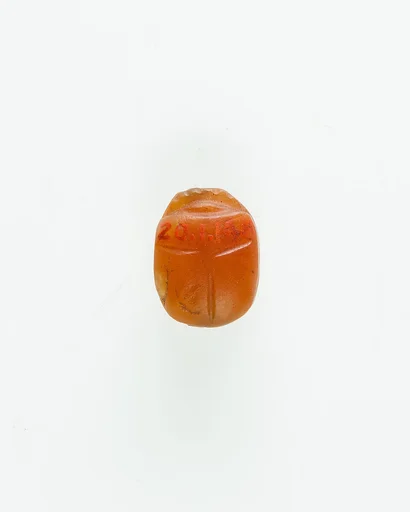
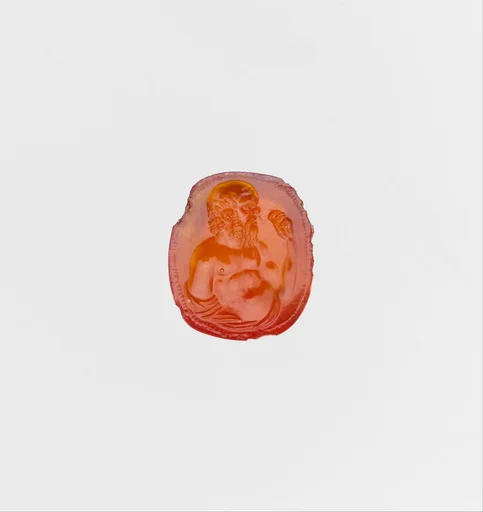
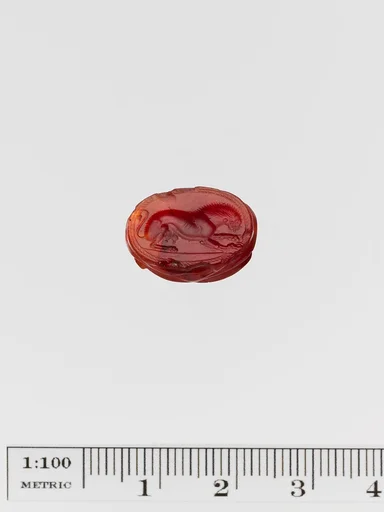
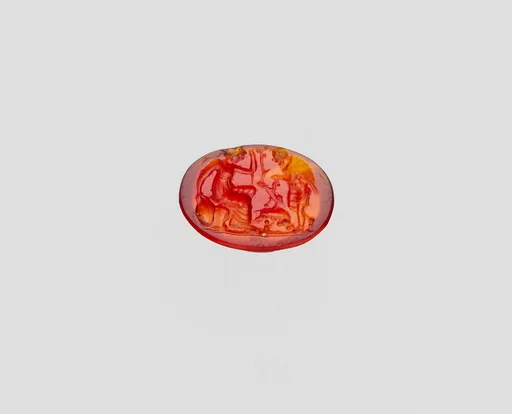
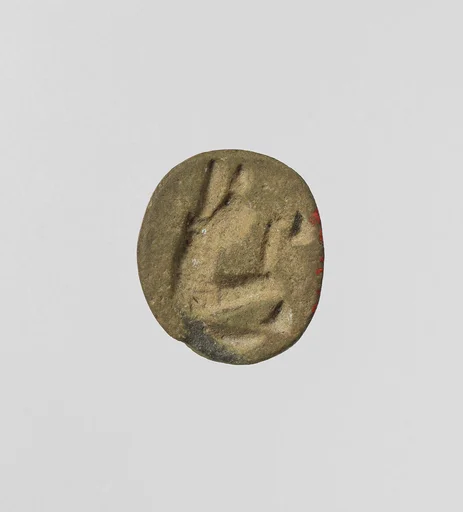
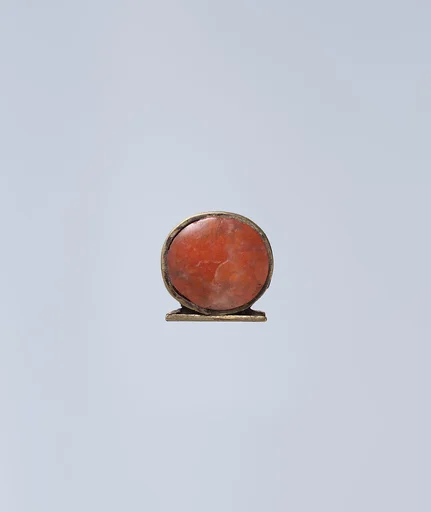
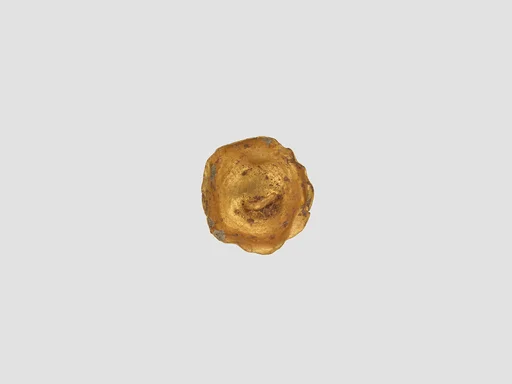
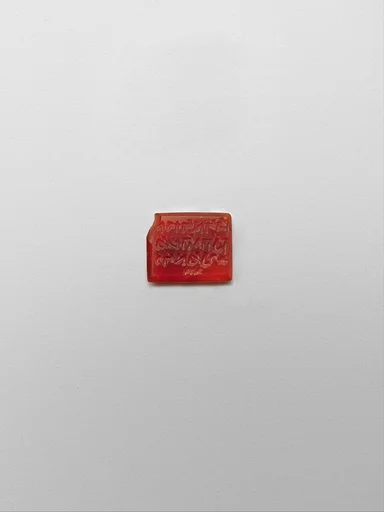
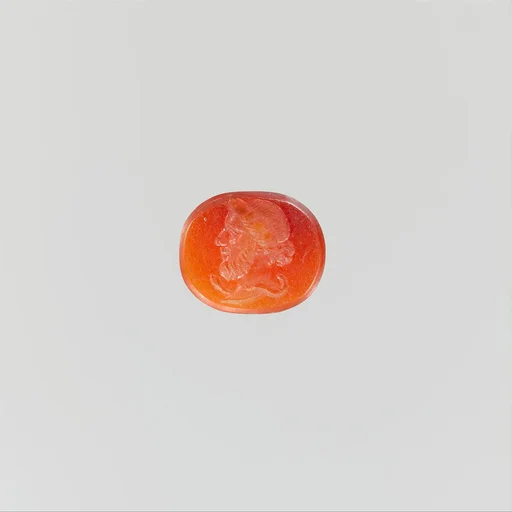
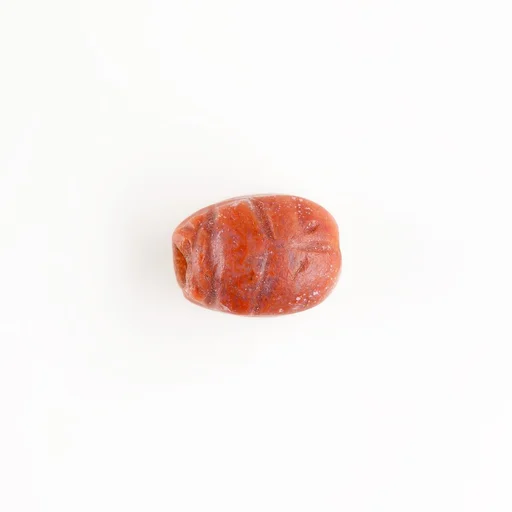
Stamp seals were used in antiquity as marks of ownership and badges of status. This seal is hemispheroid in shape and is pierced so that it could be suspended and perhaps worn. On its flattened side, a monogram under a chevroned arch is depicted. The image is carved into the surface of the stone and appears in relief when the seal is pressed into clay. The seal was excavated in the fortress at Qasr-i Abu Nasr. The site is located near Shiraz in southern Iran at a strategic point at the intersection of defensive mountains, available water sources, and along roads entering the Shiraz plain. It was excavated by archaeologists from The Metropolitan Museum of Art for three seasons from 1932-1935. The town was occupied, at least intermittently, from the Parthian period (3rd century B.C.–3rd century A.D.) to the Muzaffarid period (13th-14th century A.D.). The major occupation, including the extensive fortress, dates to the Late Sasanian period (6th-7th century A.D.). The eastern part of Qasr-i Abu Nasr is a raised plateau of a roughly triangular shape. During the Sasanian period the plateau was fortified by a wall and densely occupied. Archaeological finds from the fortress show a wide range of defensive and administrative practices.
- Artist
- Unknown
- Date
- ca. 3rd–7th century CE
- Medium
- Carnelian (?)
- Culture
- Sasanian
- Department
- Ancient Near Eastern Art
- Credit line
- Rogers Fund, 1936