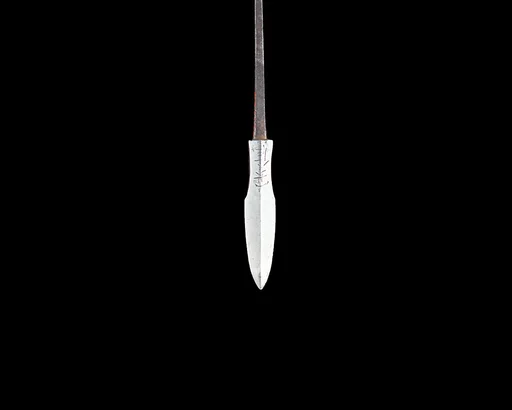
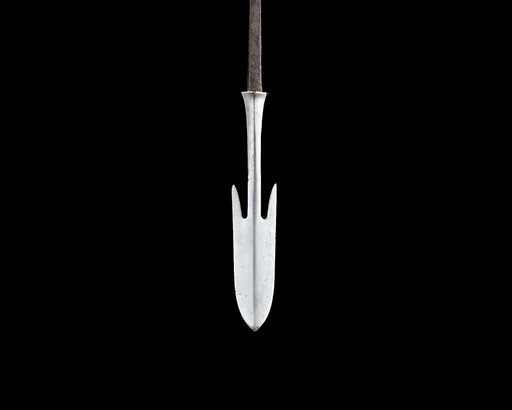
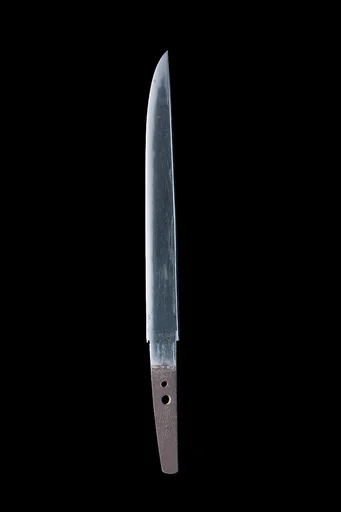
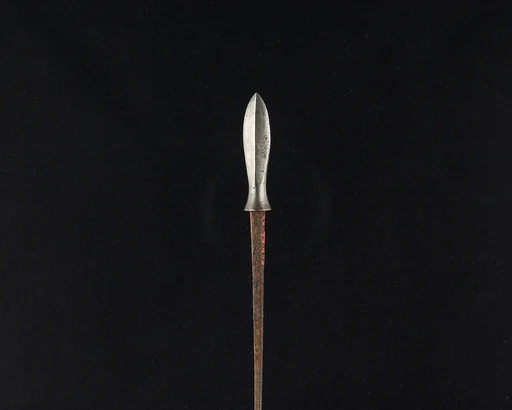
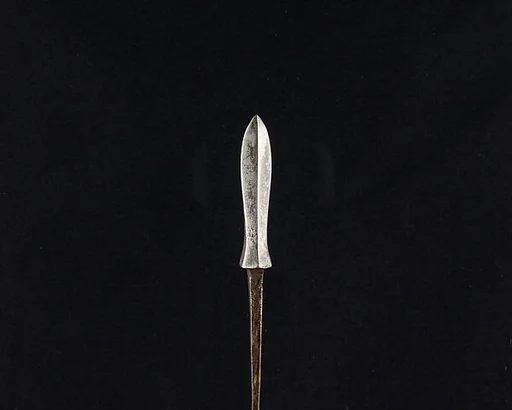
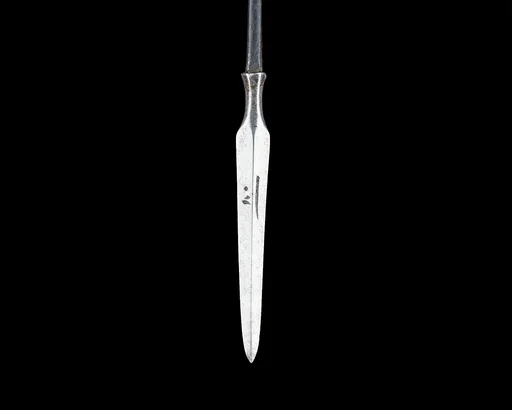
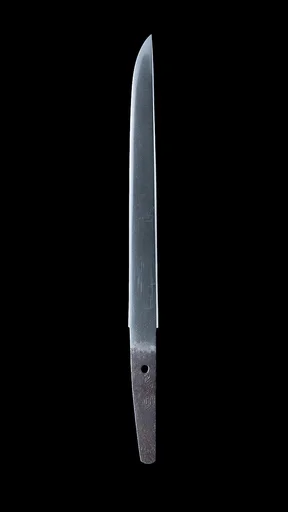
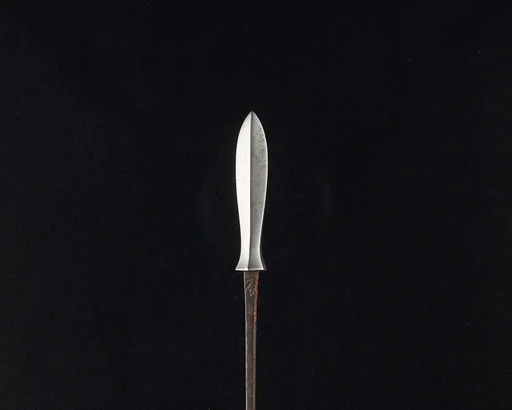
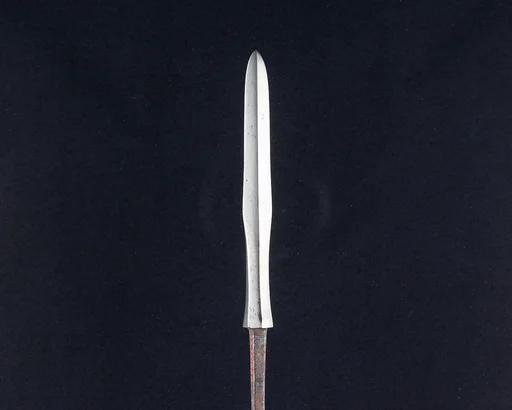
Arrowhead (<i>Yanone</i>)
Unknown
16th–19th century · Steel · Arms and Armor
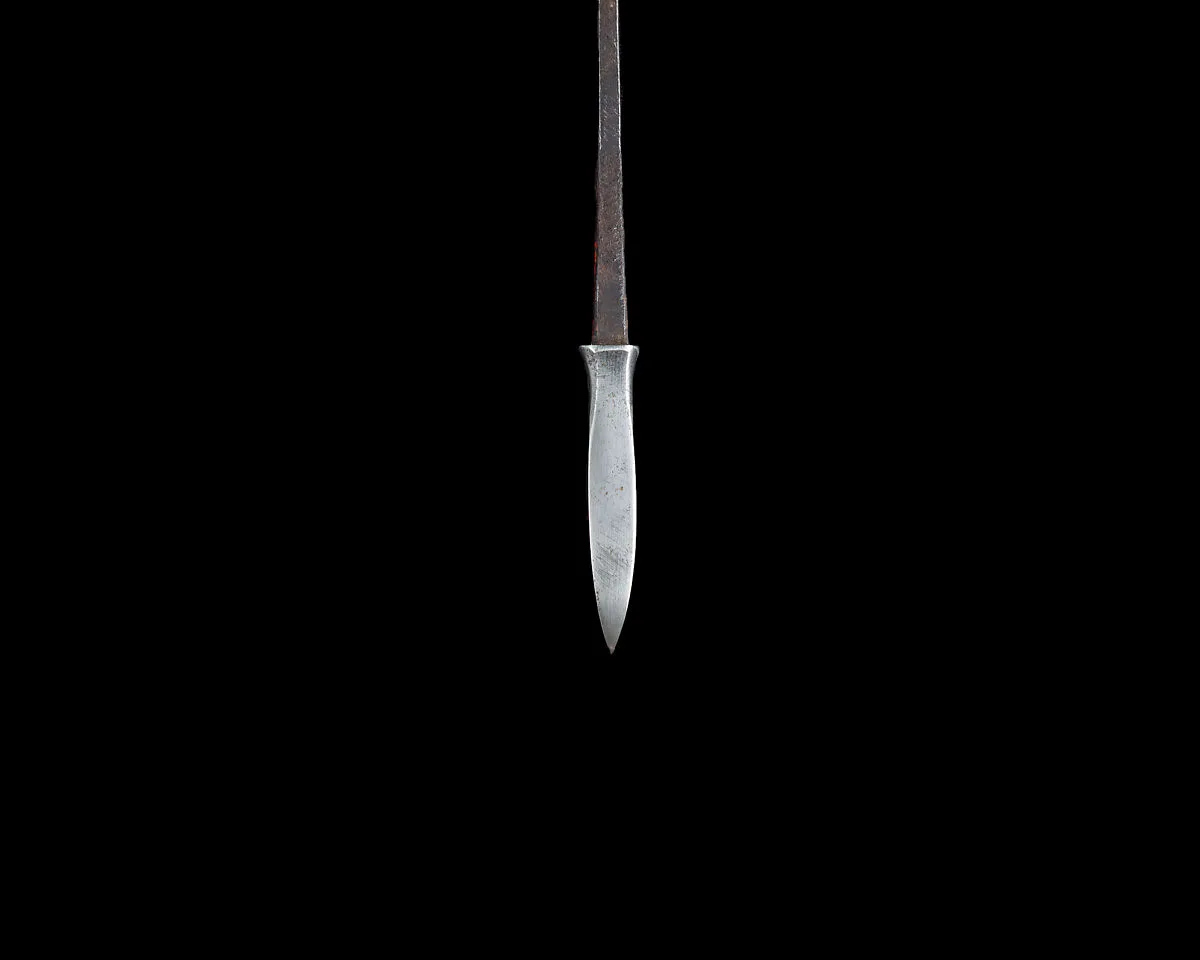
Although today Japanese warriors are renowned most for their swordsmanship, archery, especially from horseback, has been an essential part of samurai warfare and culture for centuries. Arrows were fitted with heads of varying shape according to their intended use in war, the hunt, or target practice. This arrowhead and others like it also in the Metropolitan Museum's collection (acc. nos. 32.75.489, .494, .503, .506, .519, .562, .586, .591, .614, .658, .659) were made for use on the battlefield, with different designs intended for specialized purposes such as the piercing of armor or to cause maximum damage to horses and unarmored personnel. On the other hand, highly elaborate examples (acc. nos. 32.75.318, .321, .327, .330, .334, .337, .339, .340, .398, .399, .403, .406, .409, 36.25.2616) were made as gifts or for ceremonial purposes. This short, lozenge-shaped arrowhead is known as "the armor piercer" (yoroī toshi).
- Artist
- Unknown
- Date
- 16th–19th century
- Medium
- Steel
- Culture
- Japanese
- Department
- Arms and Armor
- Credit line
- The Collection of Giovanni P. Morosini, presented by his daughter Giulia, 1932