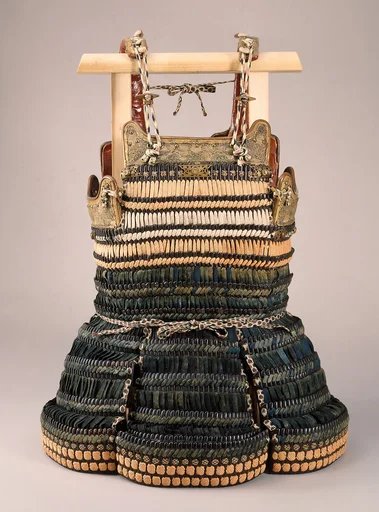
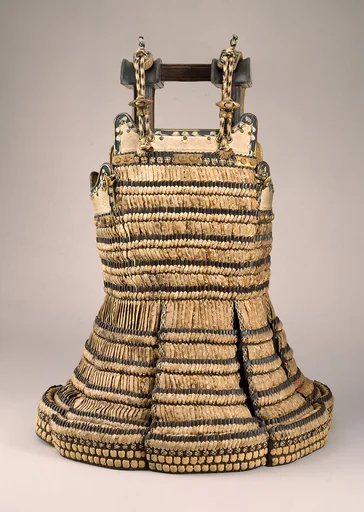
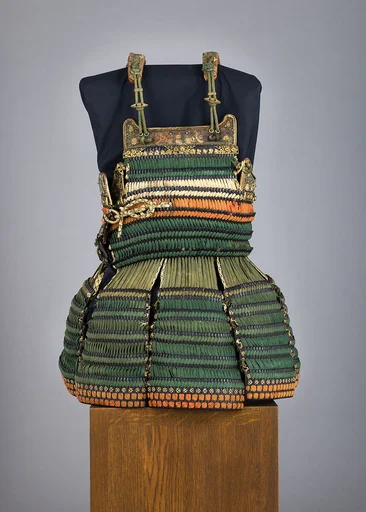
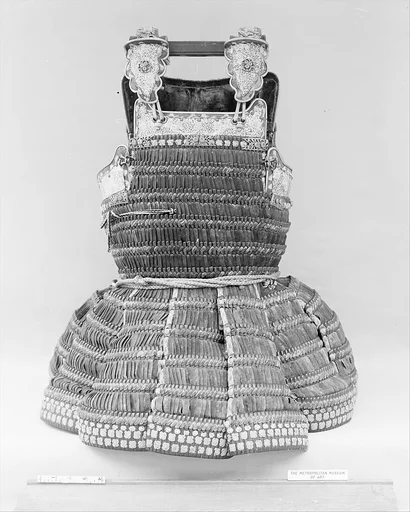
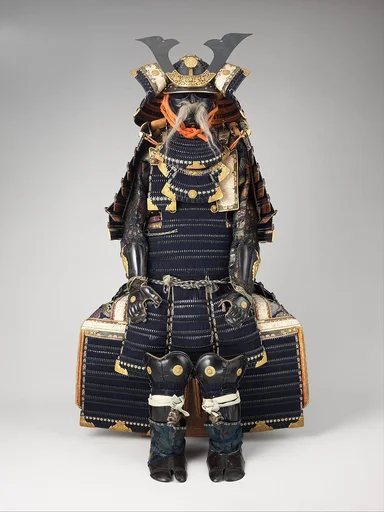
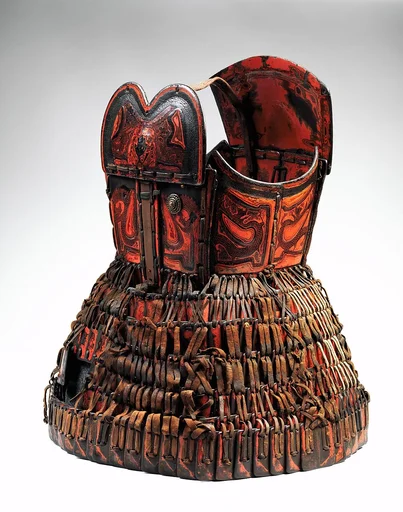
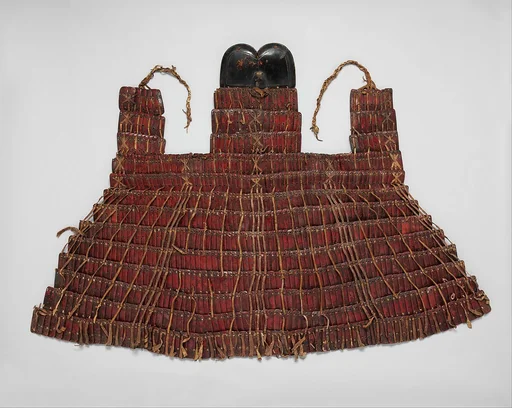
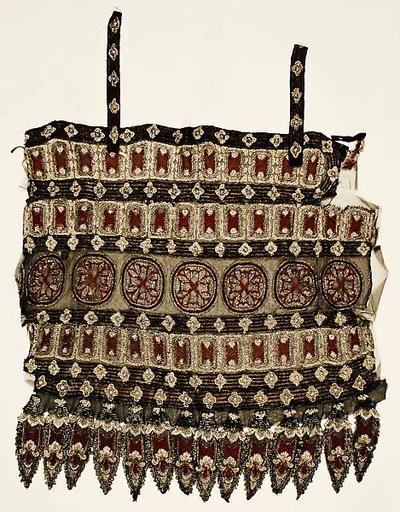
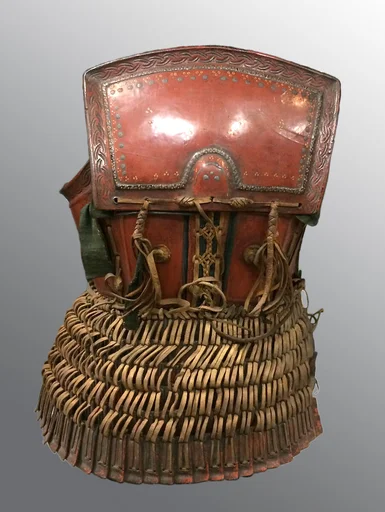
Cuirass (<i>Haramaki Dō</i>)
Unknown
late 15th–early 16th century · Iron, leather, silk, rayskin, lacquer, copper, horn · Arms and Armor
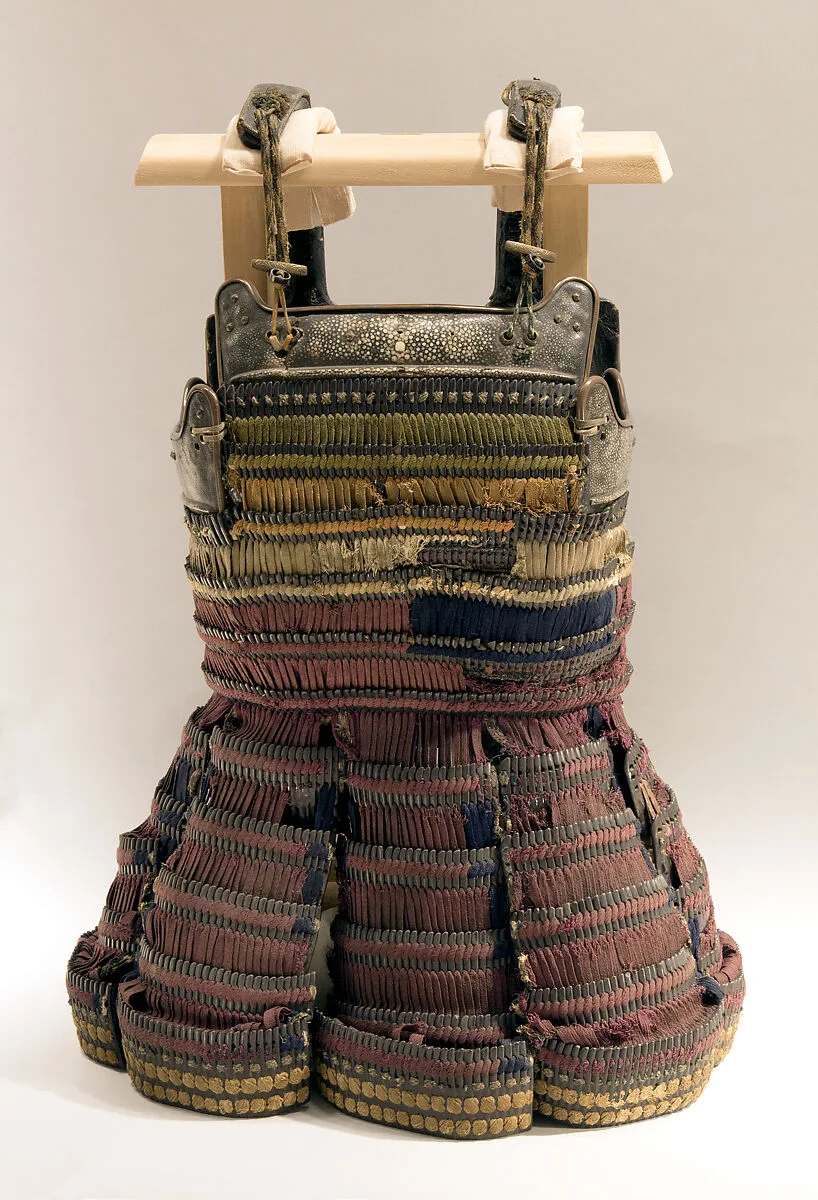
Arms and Armor Department founding curator Bashford Dean's three-month trip to Japan in the spring of 1917 resulted in many important acquisitions for the Museum. Among them was this early example of a haramaki, a light, flexible, and close-fitting type of torso armor that opens vertically up the back. Initially developed in the fourteenth century for fighting on foot, the haramaki was adopted later by samurai cavalry. Although in fragile condition, this example is particularly notable for having most of its original silk lacing, which seldom survives on Japanese armor of this period. Dean acquired it from the dealer Matsumoto Tsuru in Tokyo.
- Artist
- Unknown
- Date
- late 15th–early 16th century
- Medium
- Iron, leather, silk, rayskin, lacquer, copper, horn
- Culture
- Japanese
- Department
- Arms and Armor
- Credit line
- Rogers Fund, 1917