Ichnographs from the Sandstone of Connecticut River
James Deane
published 1861 · Salted paper prints · Photographs
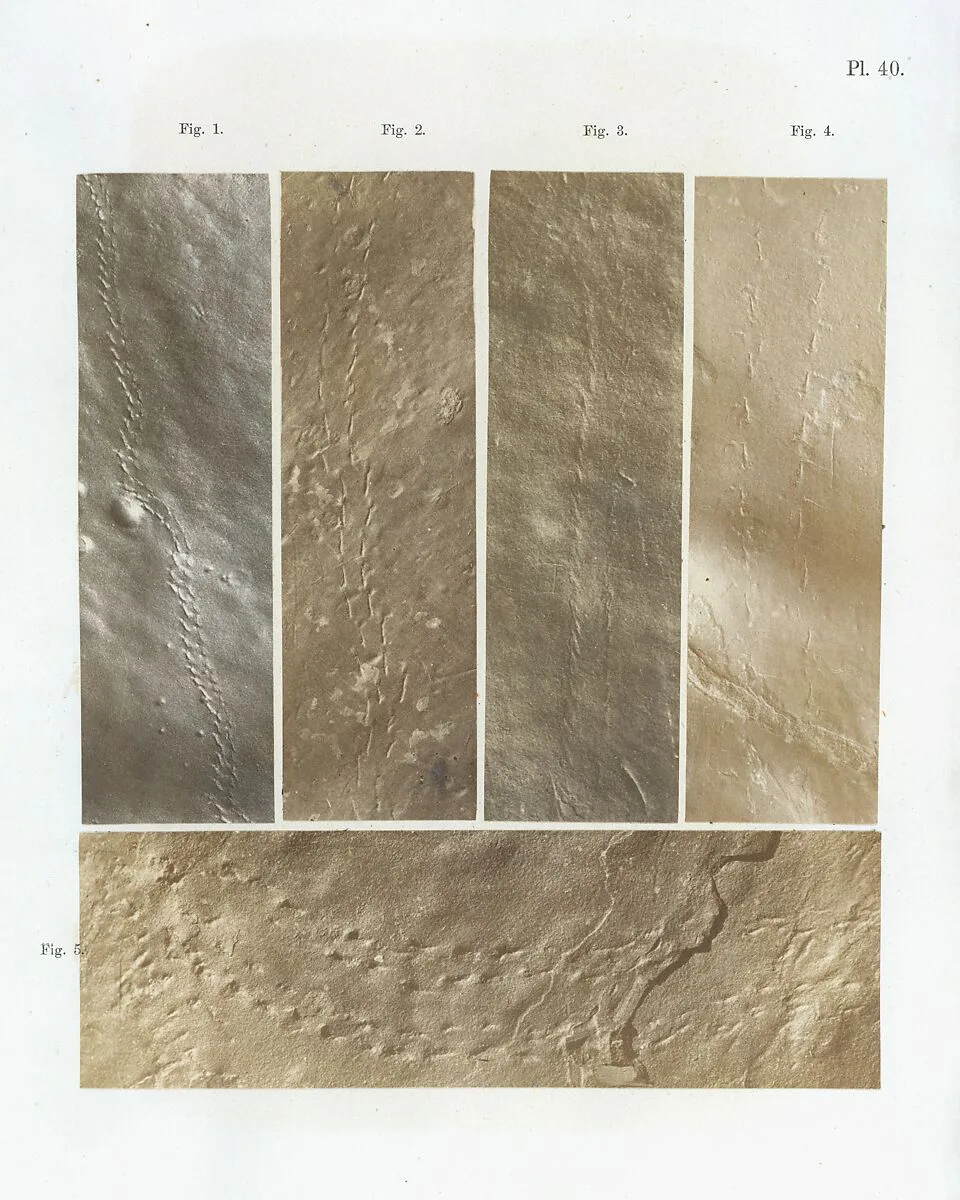
Early on, photography was recognized as a potential tool for scientific investigation. In England and France, where scientists applied empirical observation in their quest to explain the origins of the earth, its flora and fauna, photography presented a means for achieving greater--and more lasting--optical probity. James Deane, a surgeon from Greenfield, Massachusetts, began his work in ichnography (ikhnos, from Greek, meaning "track" or "trace;" graphia, from Latin, meaning "to draw") when fossils were discovered in sandstone mined from a nearby quarry. "Ichnographs from the Sandstone of Connecticut River," the "crowning labor" of Deane's life, contains drawings by Deane, as well as salted-paper prints made by an unknown photographer working under Deane's direction. Illustrated books on natural science were consumed by a wide audience and were appreciated as much for their elaborate illustrations as for the scientific knowledge they conveyed. In the introduction, the author describes the photographs themselves as "exquisite specimens of art." "Ichnographs" was one of the first books published in America to be illustrated with photographs.
- Artist
- James Deane
- Date
- published 1861
- Medium
- Salted paper prints
- Department
- Photographs
- Credit line
- Purchase, The Horace W. Goldsmith Foundation Gift, through Joyce and Robert Menschel, 1990
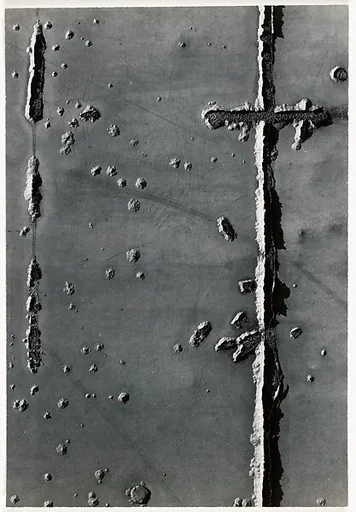
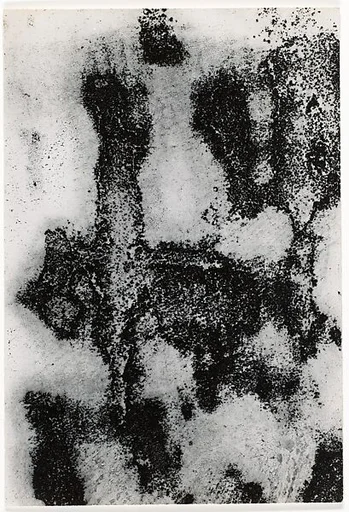
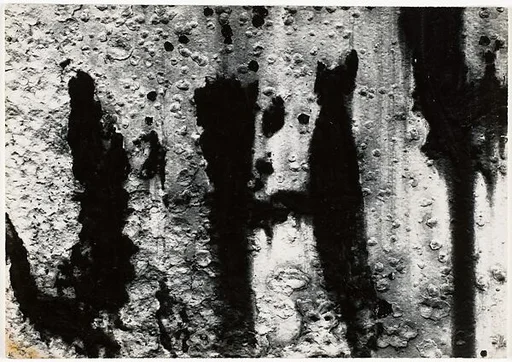
![[Flaking Tar on Stained Wall]](https://d2pvxr3eb77vb4.cloudfront.net/assets/v1/28/288fc472853ebe71c8f1f3c522600fed2984296aa07a0a335934665f6e3299b3/graph.webp)
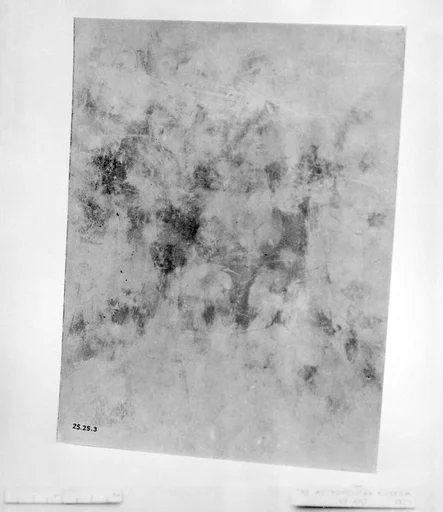
![[Paint Splatterings on Street]](https://d2pvxr3eb77vb4.cloudfront.net/assets/v1/48/48c302f08b1f0cd6aa7c3d758f852b0b8bcfc2c4ef43dca5e250f73e648df805/graph.webp)