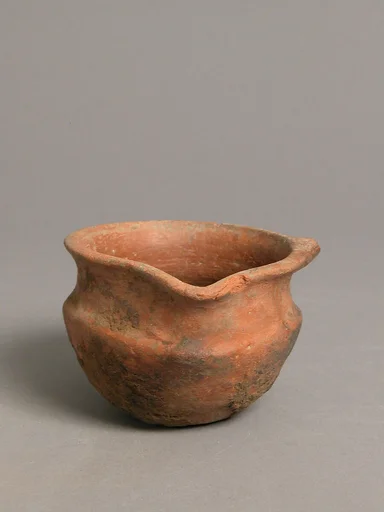
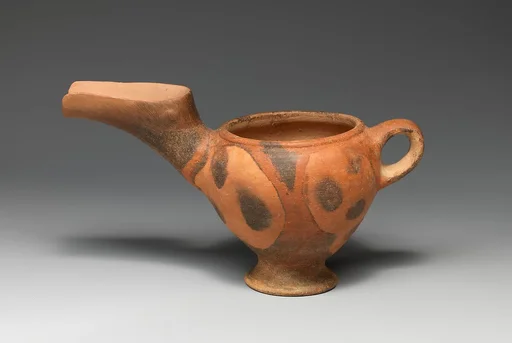
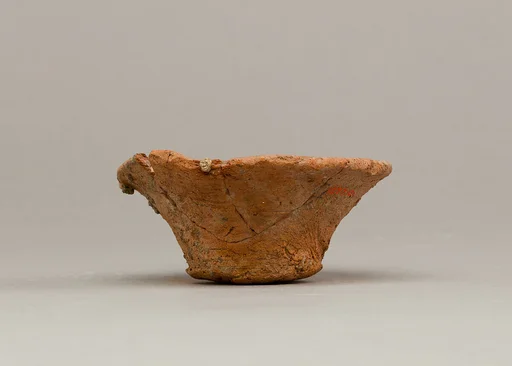
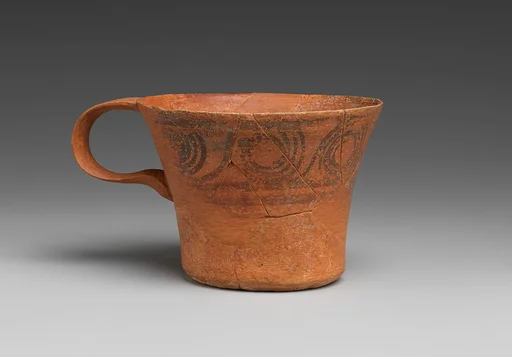
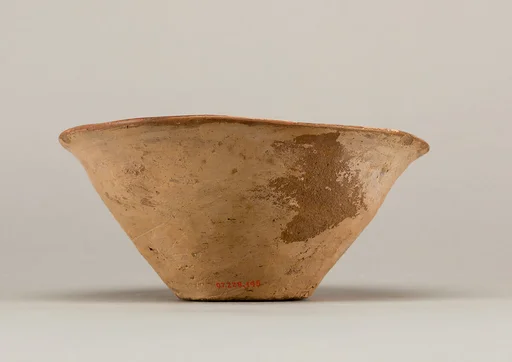
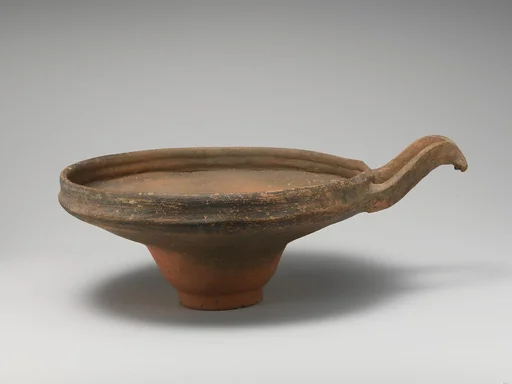
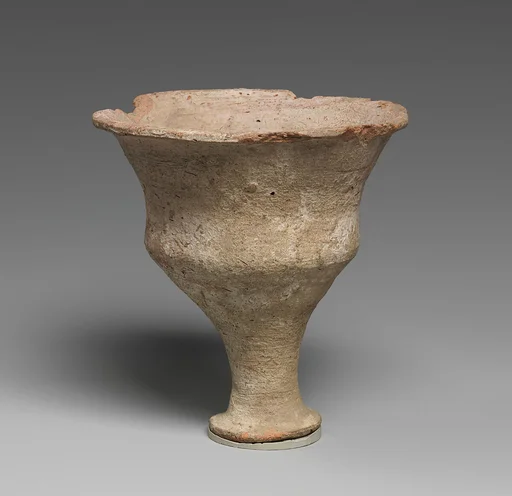
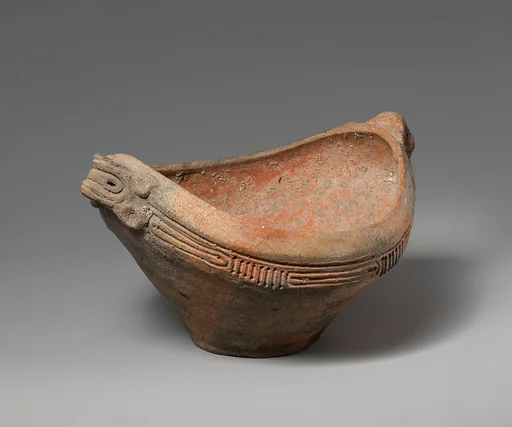
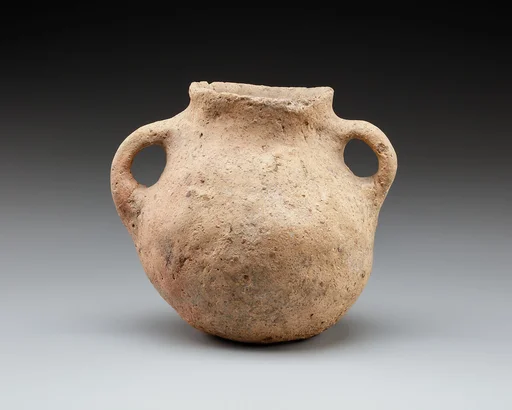
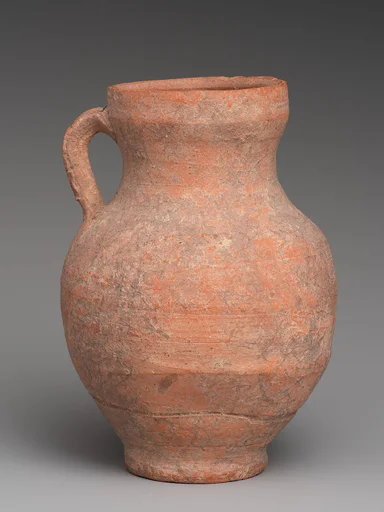
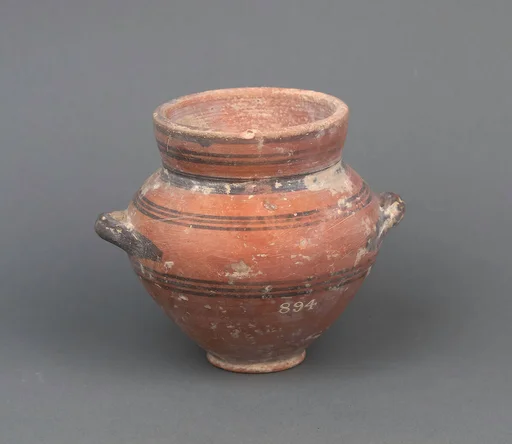
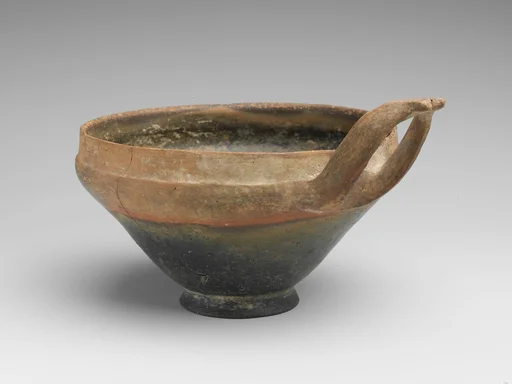
Terracotta spouted cup
Unknown
ca. 2600–2200 BCE · Terracotta · Greek and Roman Art
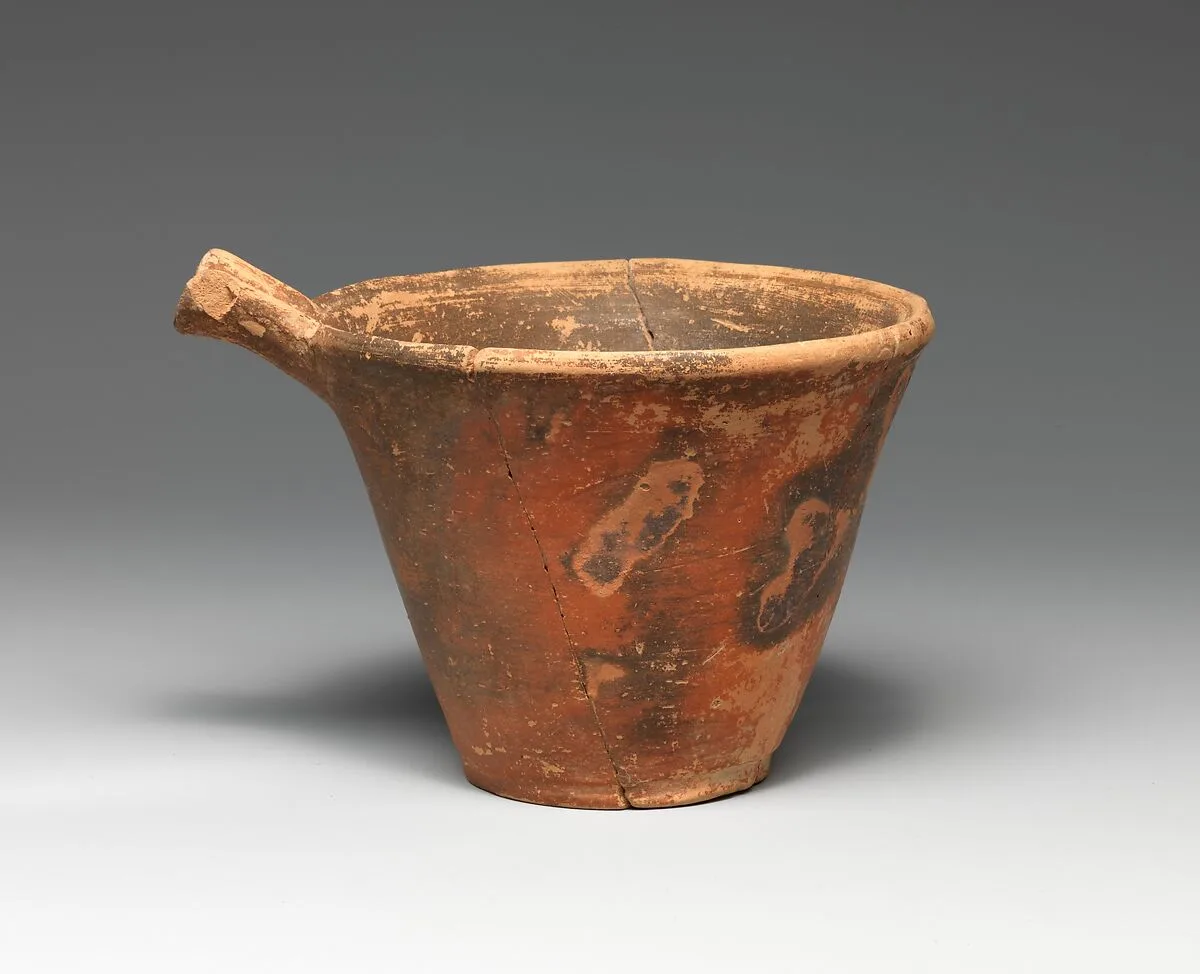
Vasiliki ware is named for the site where it was first discovered in Eastern Crete. Potters created extremely hot kilns to achieve a distinctive mottled effect. They coated vessels with an inconsistent mixture of diluted clay and red pigment and fired them unevenly, so the hottest areas turned black. The deliberate patterns were made by placing carbon on the surface. Such vases were distributed throughout Crete and have become the hallmark of pottery of the Early Minoan II period.
- Artist
- Unknown
- Date
- ca. 2600–2200 BCE
- Medium
- Terracotta
- Culture
- Minoan
- Department
- Greek and Roman Art
- Credit line
- Bequest of Richard B. Seager, 1926