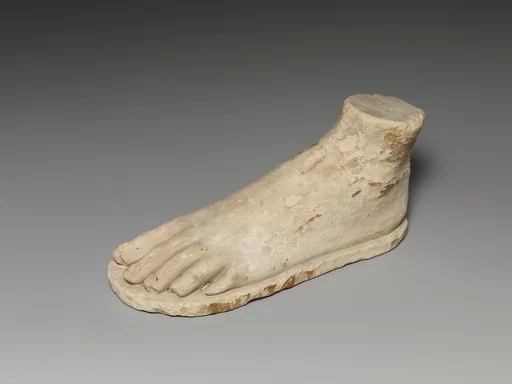
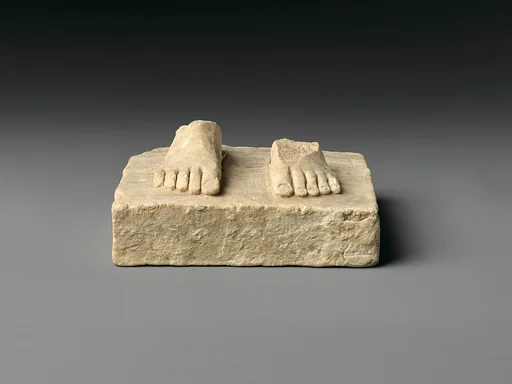
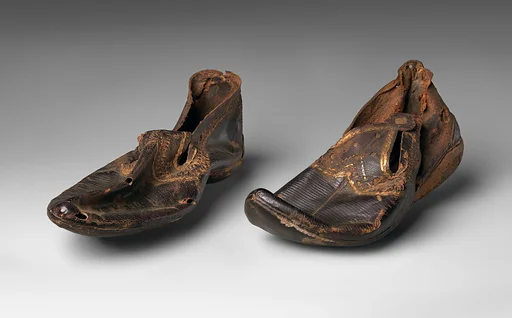
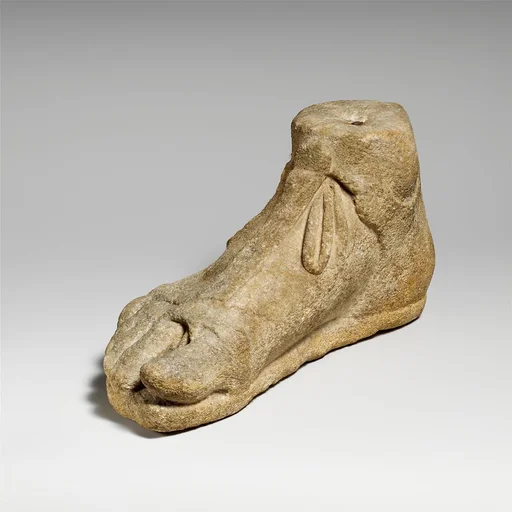
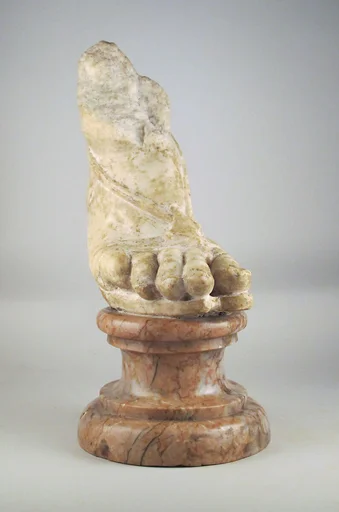
Ivory sandaled foot
Unknown
ca. 31 BCE–14 CE · Ivory · Greek and Roman Art
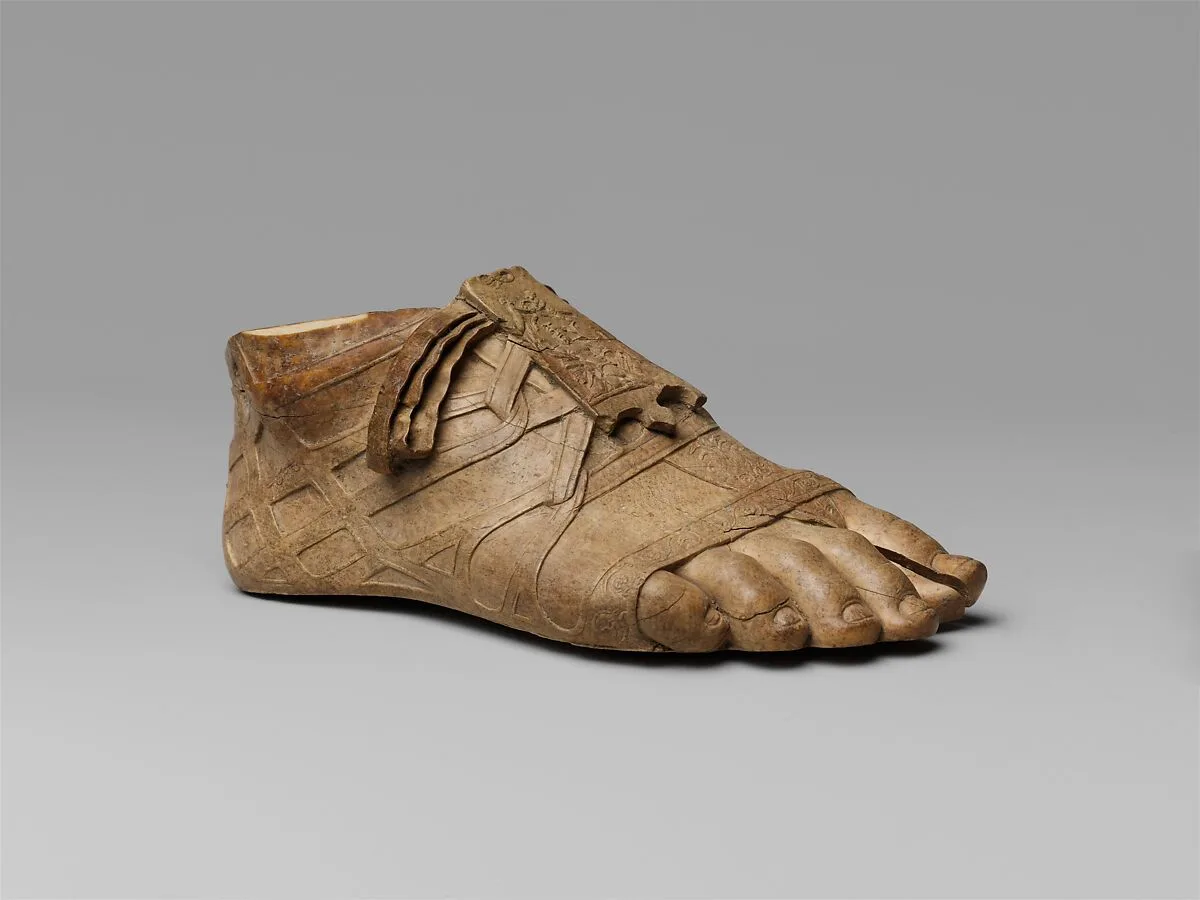
The foot comes from a small statue with flesh parts of ivory and with drapery in another material, perhaps metal or semiprecious stone. The tongue of the sandal is decorated with a personification of the Nile, suggesting that the statue depicted was either an Egyptian deity or the Emperor Augustus, who annexed Egypt after the defeat of Antony and Cleopatra at the Battle of Actium in 31 B.C.
- Artist
- Unknown
- Date
- ca. 31 BCE–14 CE
- Medium
- Ivory
- Culture
- Roman
- Department
- Greek and Roman Art
- Credit line
- Fletcher Fund, 1925